World
U.S. strikes Iranian targets after tanker attack in Strait of Hormuz
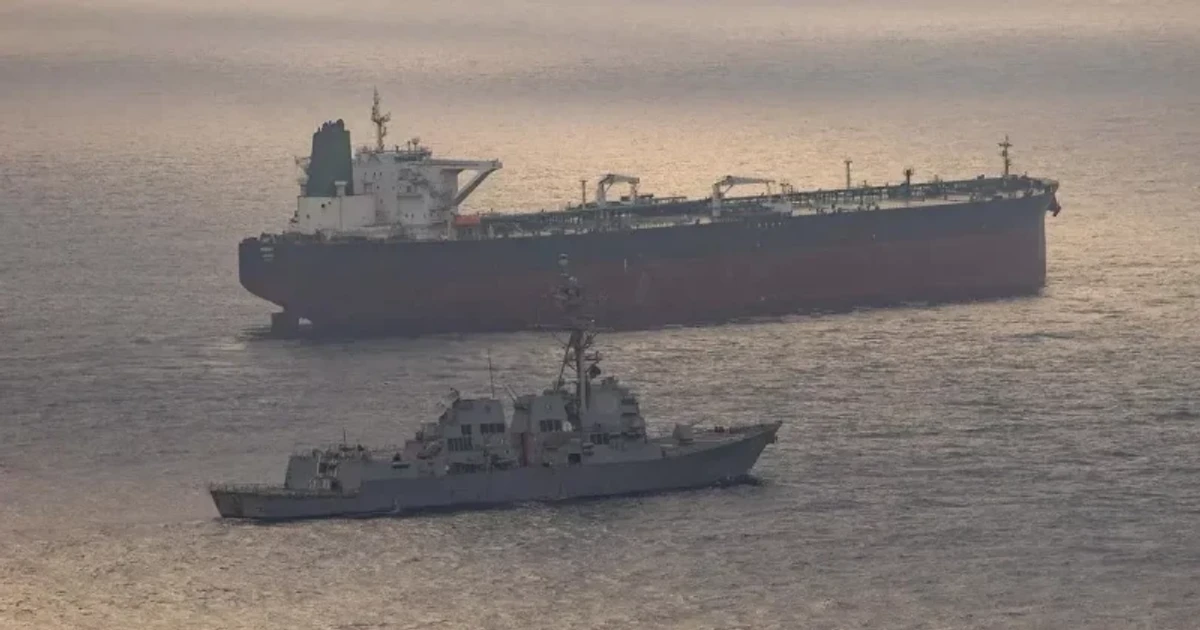
U.S. Central Command said it carried out additional strikes on multiple targets in Iran after a tanker was hit in the Strait of Hormuz, escalating a maritime standoff that now threatens shipping lanes, energy flows and U.S. forces across the Persian Gulf. The new strike followed an incident in which a tanker was struck by a projectile in the narrow waterway, one of the world’s most important oil chokepoints.
The earlier U.S. retaliation had targeted missile and drone storage locations and coastal radar sites, and later strikes were described as hitting military surveillance infrastructure, communication systems, air defense sites, drone storage facilities and minelayer capabilities. That choice of targets points to a limited but deliberate message from Washington: the response was aimed at degrading Iran’s ability to track, threaten and disrupt commercial traffic without immediately expanding into a broader campaign on land.
The timing made that message harder to separate from the risk of escalation. The violence came as the U.S. and Iran were already under strain from a fragile interim ceasefire and memorandum of understanding reached earlier in June, with each side accusing the other of violating its terms. President Donald Trump called the tanker attack a “foolish violation” of the ceasefire agreement and warned Iran it could face further military action.
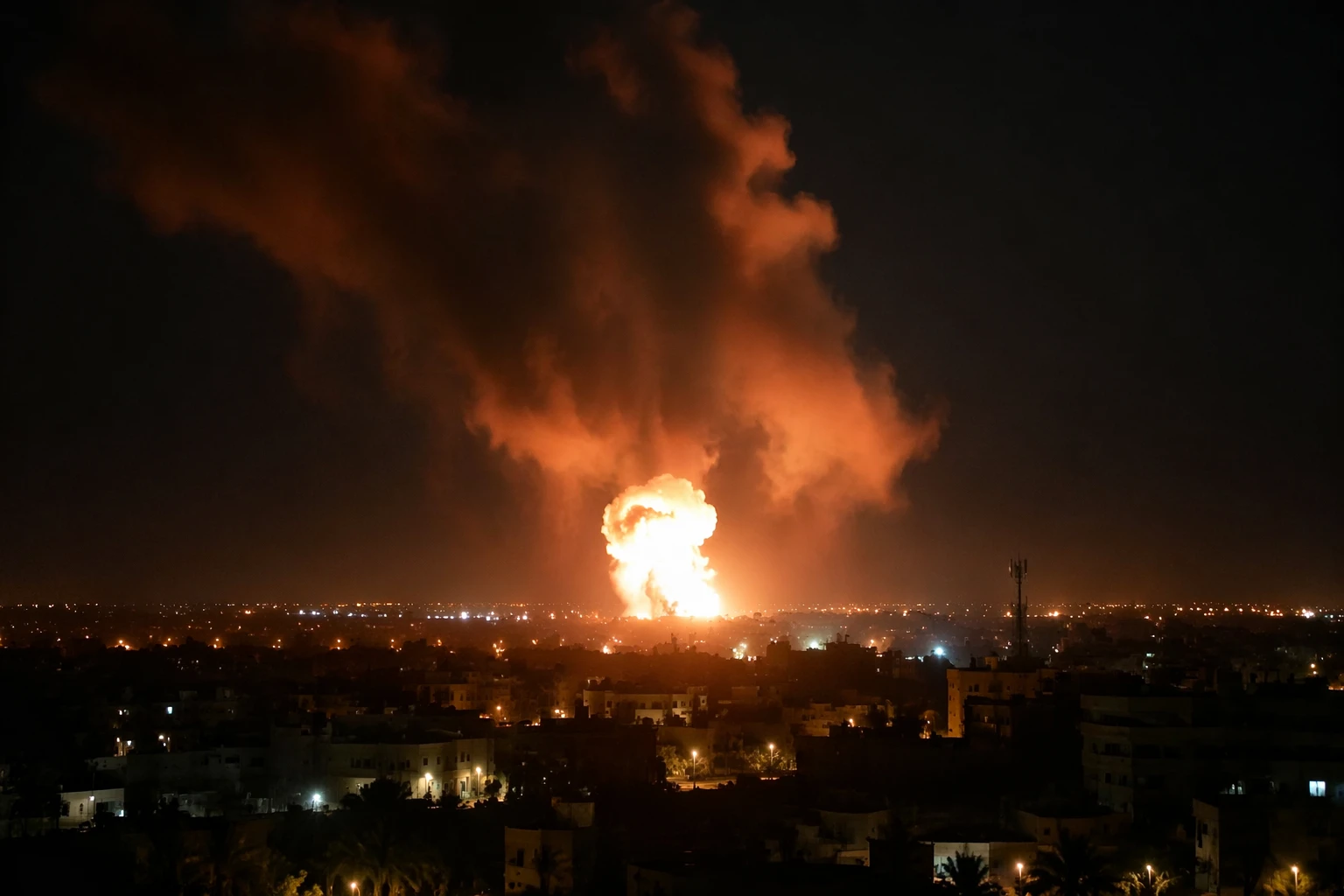
Maritime security officials said they received a report of an incident within the Strait of Hormuz on June 27, and Bahrain said it was targeted by Iranian drones the same day. Coverage of the shipping attacks identified the vessel struck earlier as the Singapore-flagged MV Ever Lovely, underscoring how quickly the confrontation spread from military sites to commercial traffic. The Strait of Hormuz links the Persian Gulf with the Gulf of Oman and the Arabian Sea, and even before the latest strikes, advisories had described the area as a moderate-risk environment.
That leaves both sides with incentives that point in opposite directions. Washington appears to be signaling that attacks on merchant shipping will bring direct costs, while Tehran is likely to read the strikes as proof that the ceasefire is fragile and that any further maritime incident could trigger a wider confrontation. With tankers still moving through a chokepoint that handles a huge share of global oil shipments, the margin for miscalculation is now much thinner.
Sources
- [1]news.google.com
- [2]wlrn.org
- [3]cnbc.com
- [4]usnews.com
- [5]ukmto.org
- [6]marinetraffic.com
- [7]apnews.com