World
US strikes on Iran enter seventh consecutive night
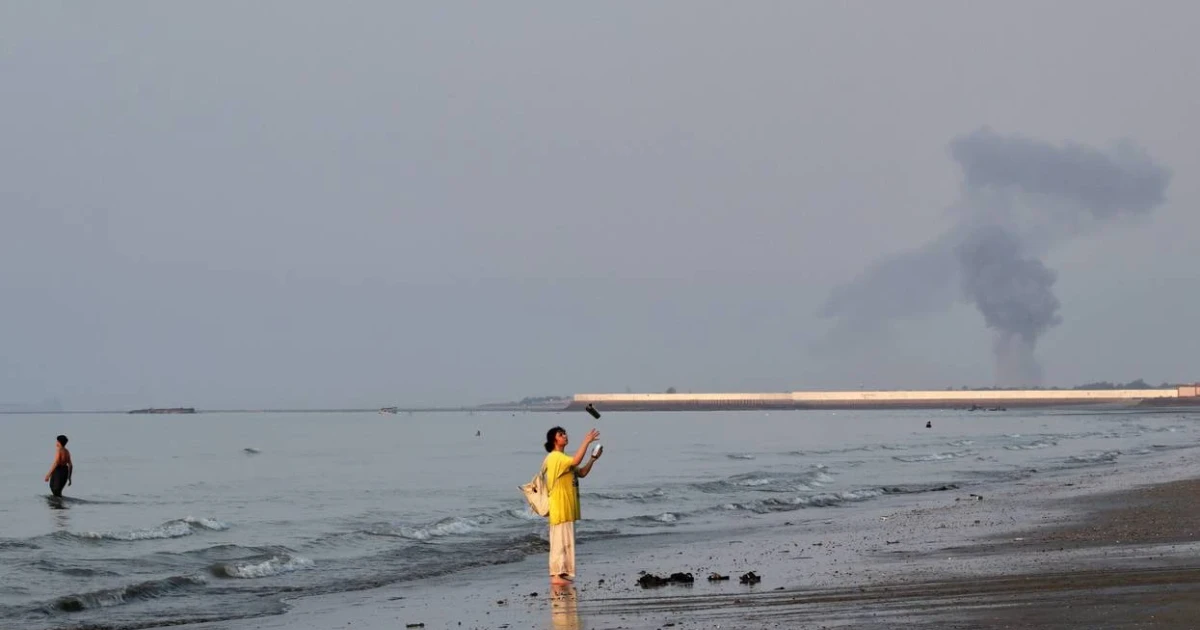
US strikes on Iran continued for a seventh consecutive night, with the campaign widening from military sites to bridges and other infrastructure while the fight for the Strait of Hormuz sharpened. Targets included the port area around Bandar Abbas, and explosions were also reported near Bushehr, pushing the conflict deeper into Iran’s southern coastal defenses.
The early phase of the assault had already hit dozens of military targets, including air-defense systems, coastal radar sites, missile and drone capabilities, and small boats. One-way attack sea drones were used for the first time, marking a notable change in the campaign’s tactics as the United States pressed beyond conventional airstrikes. On Saturday, the US struck 140 Iranian military targets, a scale that showed the operation was no longer a single-night response but a sustained pressure campaign.
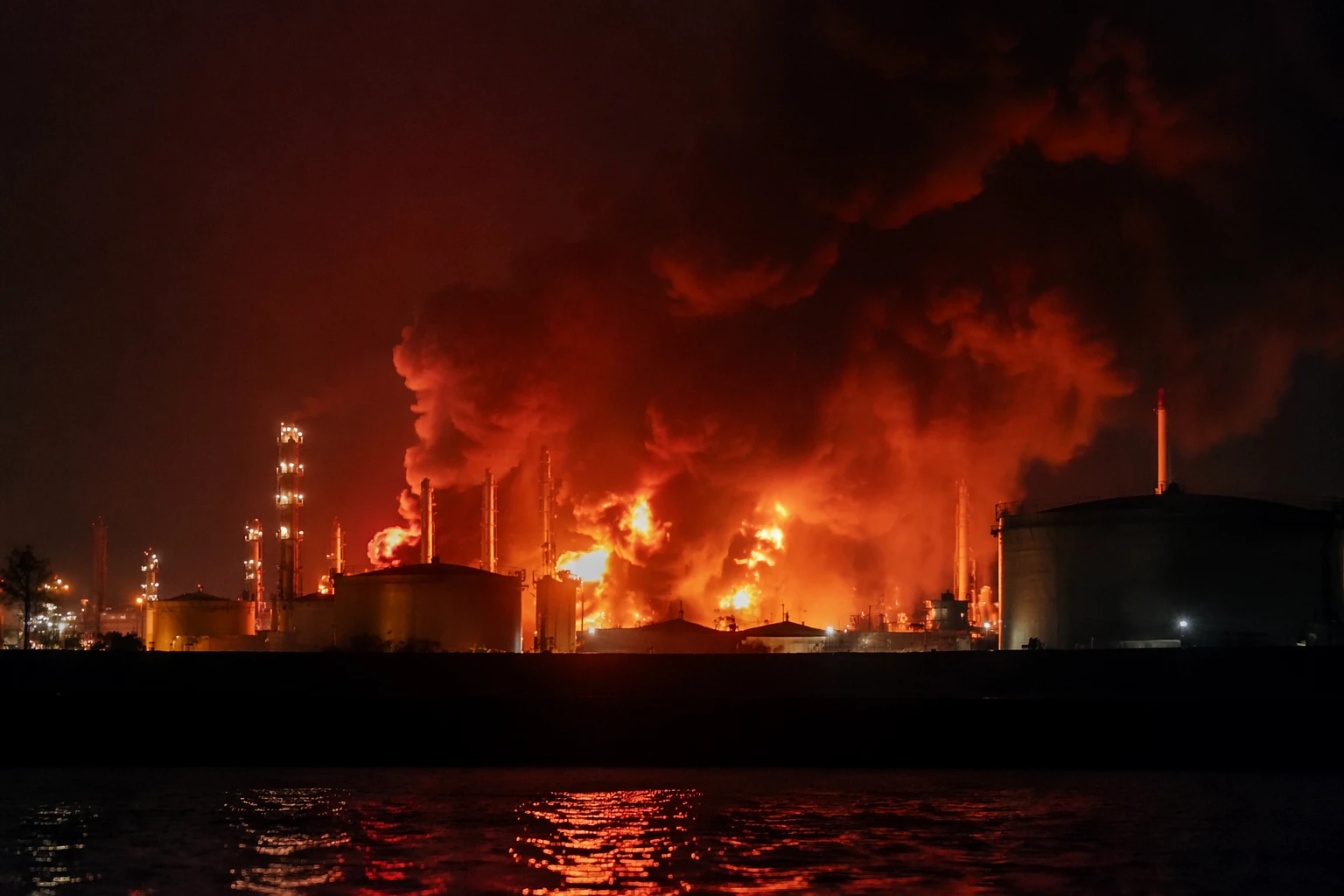
The Strait of Hormuz has become the central strategic fault line. Iran warned that the waterway is a red line and said it would resist until the end, underscoring the risk that the conflict could spill into one of the world’s most important shipping routes. Transits through the strait have already fallen sharply as risk appetite in the region declined, a warning sign for oil markets and global supply chains that depend on uninterrupted passage through the chokepoint.

The fighting has also spread beyond Iran’s borders. Iranian retaliation has reached US bases and regional targets in Jordan, Bahrain, Kuwait, Oman, Syria and Qatar, widening the military map and raising the prospect of miscalculation across the Gulf. At the same time, the US campaign’s expansion to bridges and other infrastructure suggests an effort to disrupt Iranian movement and logistics, not just air defenses and launch systems.
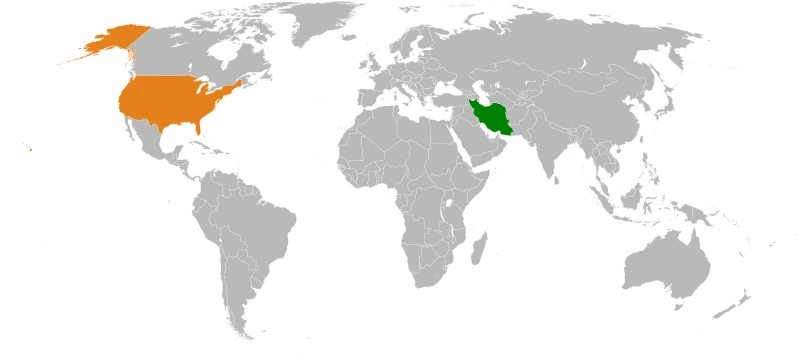
That pressure has not settled the core question over Iran’s nuclear program. A June 23 intelligence assessment said earlier US strikes failed to destroy Iran’s nuclear sites, leaving Washington with a more aggressive campaign but no clear proof of strategic knockout. The result is a dangerous balance: repeated strikes, retaliatory fire, and a contested maritime chokepoint, with both sides still signaling that the confrontation could either stay contained or widen fast.
Sources
- [1]news.google.com
- [2]reuters.com
- [3]bbc.com
- [4]youtube.com
- [5]cnn.com
- [6]apnews.com