World
U.S. strikes southern Iran after helicopter downing, Tehran retaliates
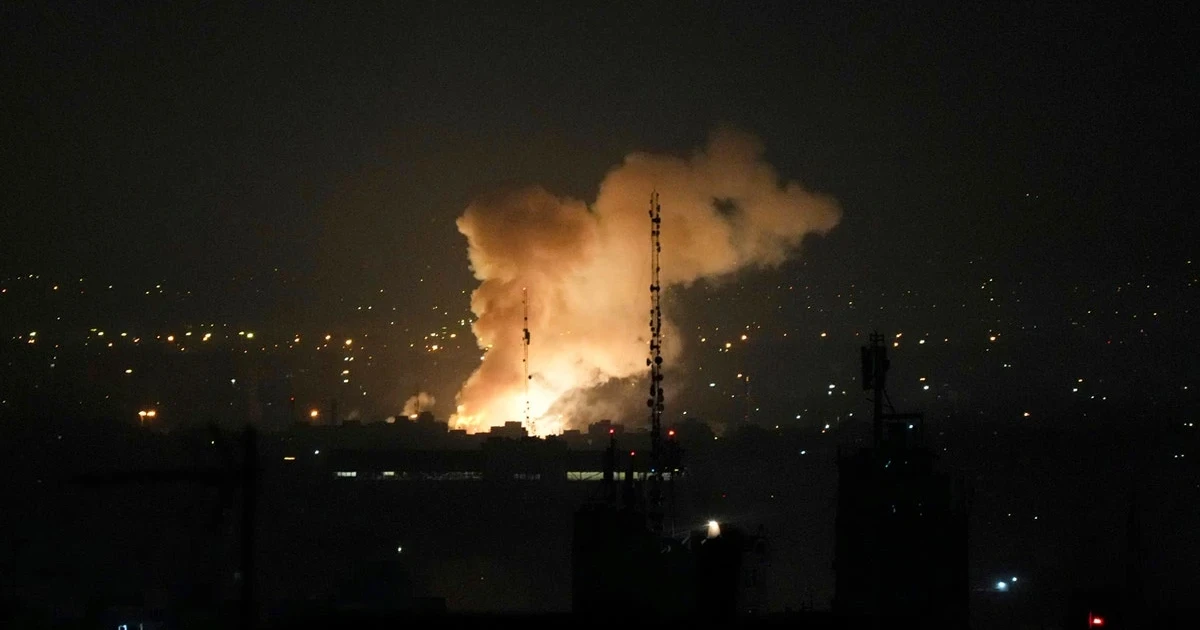
The cease-fire between Washington and Tehran looked increasingly fragile as U.S. forces hit southern Iran after the downing of an American Apache helicopter near the Strait of Hormuz, and Iran answered with drones and missiles aimed at U.S. military targets in Bahrain and Jordan. The exchange sharpened the credibility question around the truce itself: whether it still constrained both sides, or whether it had become little more than a pause between retaliatory blows.
U.S. Central Command said it carried out “self-defense strikes” and struck Iranian air-defense, ground-control and surveillance-radar sites near the Strait of Hormuz. The strikes followed the loss of the helicopter patrolling near the waterway, which remains one of the world’s most strategically sensitive chokepoints because one-fifth of global oil and natural gas supplies pass through it in peacetime.
Iran said it retaliated by launching drones and missiles at U.S. military targets in Bahrain and Jordan. Iranian state media and Islamic Revolutionary Guard Corps statements said the fire was directed at the U.S. Fifth Fleet in Bahrain, the Ali Al Salem air base in Kuwait and an air base in Azraq, Jordan. Jordan said it intercepted five missiles, while Bahrain said its air defenses intercepted incoming aerial attacks. U.S. officials said there were no reports of harm to U.S. personnel.
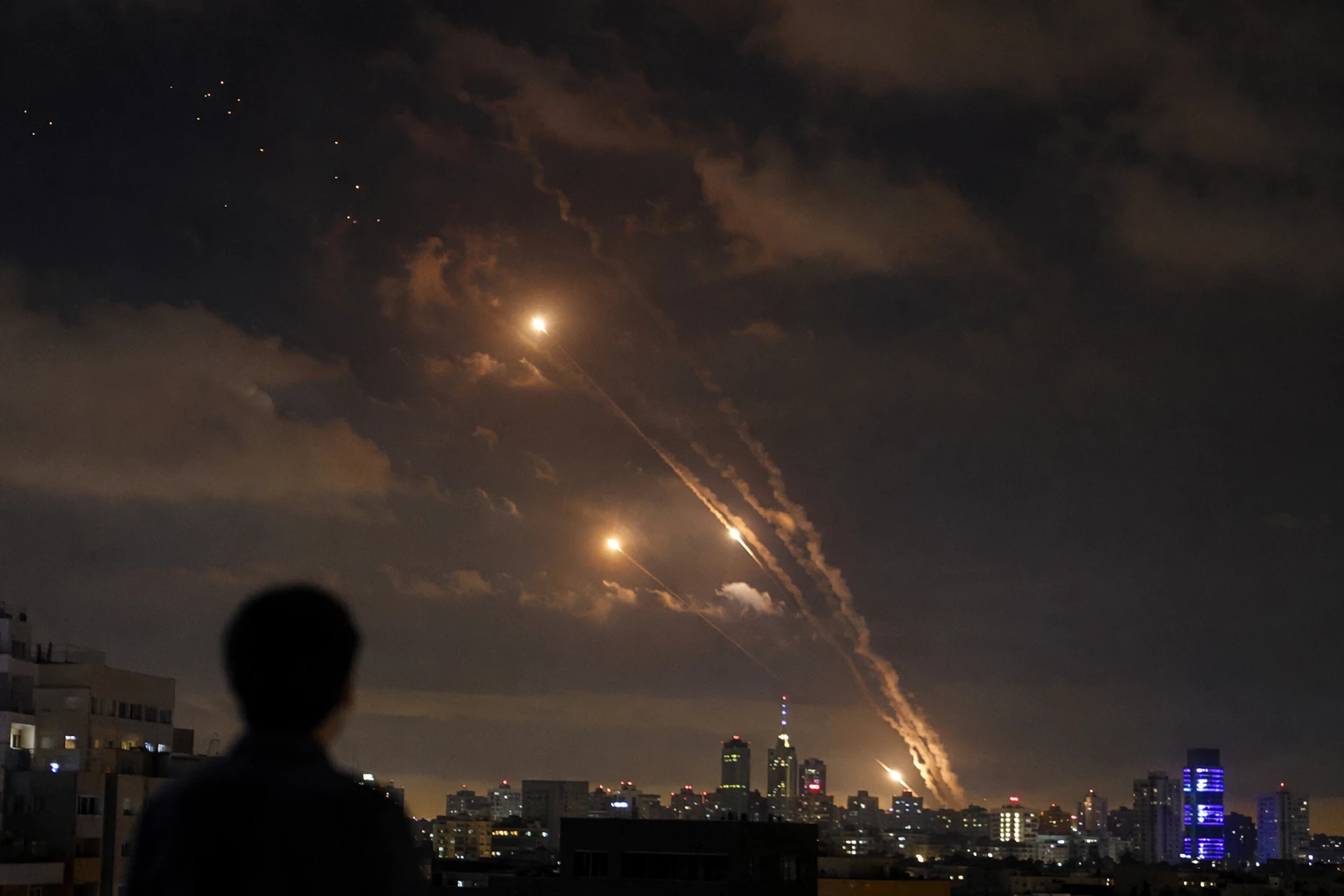
The latest violence came after earlier American strikes hit Iranian coastal surveillance facilities on Qeshm Island and near Sirik. Iran’s Foreign Ministry condemned those attacks as a violation of the April 8 cease-fire, underscoring how each side now treats the other’s response as proof that the agreement is already being rewritten by force. That pattern has become the central institutional test of the truce: if strikes on radar sites, coastal surveillance systems and helicopter patrols can be answered by missile fire on Bahrain, Kuwait and Jordan without a political off-ramp, the cease-fire exists more in name than in practice.
The escalation tracker now turns on a few clear thresholds. A broader regional conflict would become far more likely if attacks begin causing casualties among U.S. personnel, if missiles or drones penetrate defenses around Bahrain or other Gulf bases, or if shipping through the Strait of Hormuz is disrupted. For now, the fighting has stayed inside a narrow military exchange, but the unresolved settlement talks and the repeated violations around the April 8 cease-fire leave the Gulf one interception away from a much wider war.
Sources
- [1]nytimes.com
- [2]cnbc.com
- [3]abcnews.com
- [4]aljazeera.com