US News
U.S. Targets Iranian-Flagged Tankers Amid Ongoing Tensions
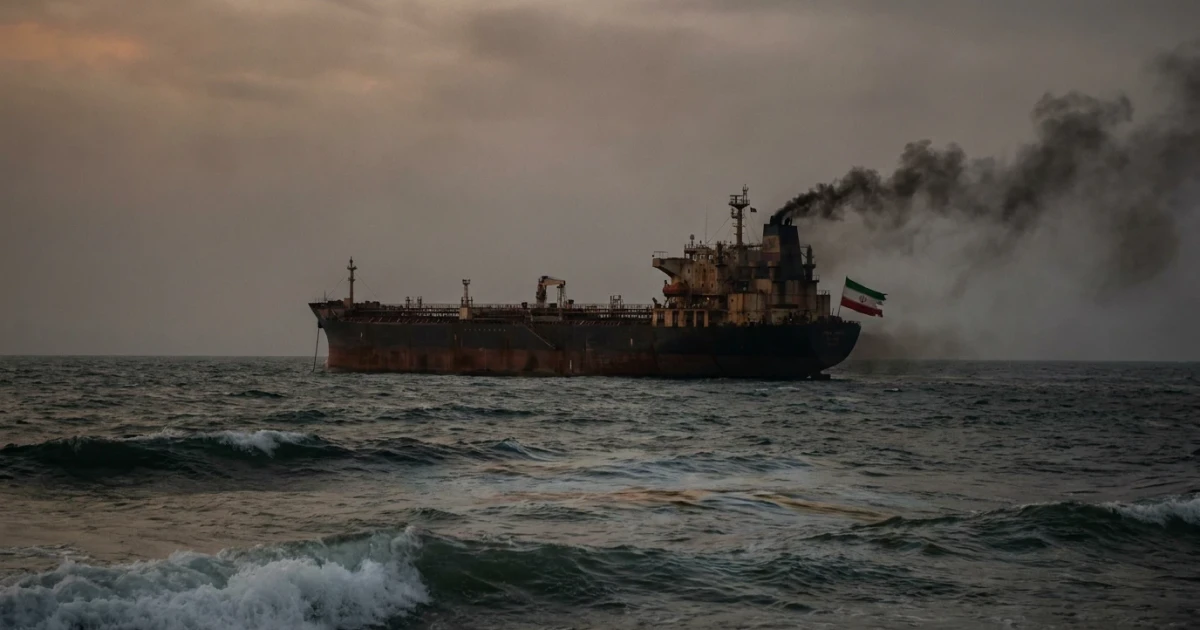
The United States military has carried out strikes on two Iranian-flagged oil tankers in a move that heightens ongoing maritime tensions, even as a ceasefire remains officially in effect in the region. The incident, first reported by The Washington Post, underscores the persistent friction between the two nations and raises questions about the future of both regional stability and global energy markets.
Details of the U.S. Strikes
According to The Washington Post, U.S. fighter jets targeted two Iranian-flagged tankers operating in international waters. The Pentagon has not yet released a full account of the operation, but initial reports indicate the tankers were suspected of violating ongoing sanctions and possibly transporting illicit cargo.
These strikes come at a sensitive time, as a UN-brokered ceasefire remains in place between the U.S. and Iran. The action is likely to draw international scrutiny, given existing U.S. Treasury sanctions against Iranian oil shipments and the heightened risk of escalation in the Persian Gulf.
Background on U.S.-Iran Maritime Tensions
The confrontation is the latest in a series of incidents involving Iranian-flagged vessels in the region. Over recent years, the U.S. has accused Iran of using its merchant fleet to circumvent sanctions and finance activities deemed destabilizing by Washington. Data from the U.S. Energy Information Administration shows that Iranian oil exports have fluctuated significantly as a result of these measures.
Iran maintains a robust maritime presence, with its navy and Revolutionary Guard forces frequently patrolling key shipping lanes. The Council on Foreign Relations provides context on Iran’s military capabilities, noting their emphasis on asymmetric and unconventional naval tactics.
Implications for Global Oil Markets
The targeting of oil tankers has immediate ramifications for global energy supply chains. Iran, though under heavy sanctions, remains a significant player in oil exports. According to Statista’s oil export data, disruptions involving Iranian vessels can influence global prices and contribute to volatility in energy markets.
- Iranian-flagged tankers have been subject to increased scrutiny and monitoring since the reimposition of U.S. sanctions.
- The latest incident could prompt further tightening of maritime security and insurance premiums for vessels operating in the region.
- Any escalation risks affecting a broader swath of international shipping through the Strait of Hormuz, a critical chokepoint for oil transport.
International Response and Outlook
While official statements from both U.S. and Iranian authorities are still forthcoming, the strikes are expected to complicate ongoing diplomatic efforts aimed at de-escalation. The United Nations and regional powers have previously urged restraint, warning that any military actions could undermine the fragile ceasefire.
Maritime tracking data, such as that provided by MarineTraffic, will be crucial for verifying tanker movements and assessing the broader impact of the U.S. action.
Conclusion
The U.S. strikes on Iranian-flagged tankers add a new dimension to the already complex standoff between Washington and Tehran. As global markets and regional actors await further details, the incident serves as a reminder of the persistent risks facing international shipping and the delicate balance of power in the Persian Gulf.