Technology
U.S. tech giants worry cheap Chinese AI models could undercut them
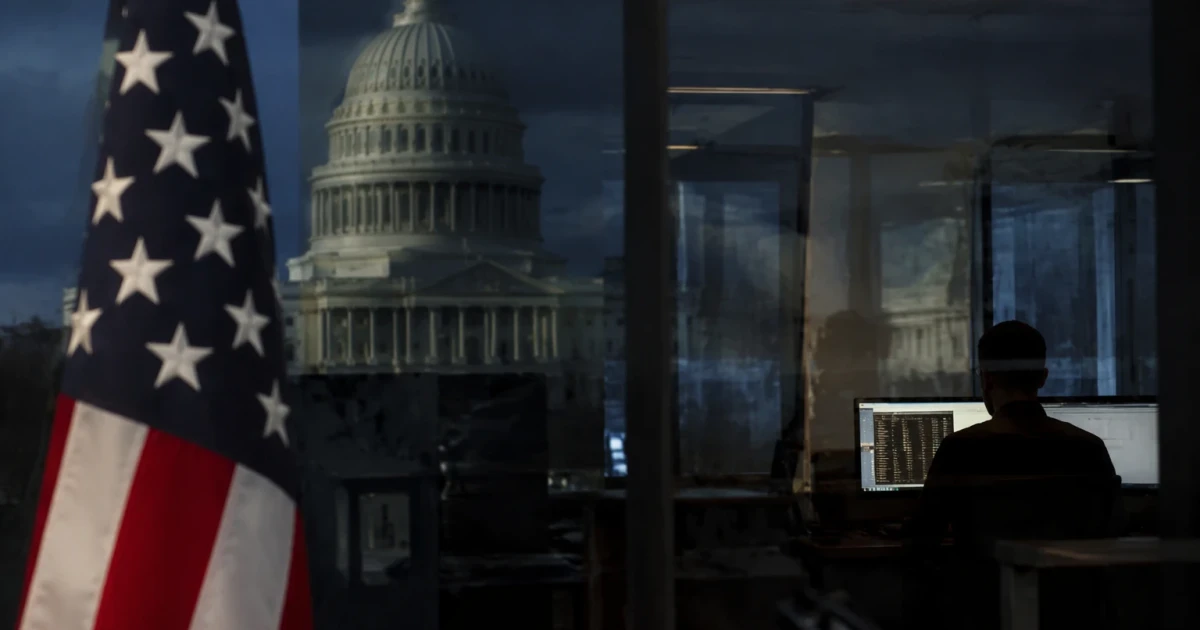
DeepSeek and Moonshot AI models are now core to daily work at many American companies. The White House has split over how to respond to Chinese AI advances, as the fight has turned into a multibillion-dollar question in Washington and Silicon Valley over whether U.S. firms should be allowed to use Chinese artificial-intelligence models at all.
The models are generally cheaper to run than Western versions, and their open-source design has helped them spread into corporate workflows across sectors. That has made them a live competitive threat for U.S. companies such as Google and Meta, while Chinese AI firms continue to narrow America’s lead in global AI by offering lower-cost alternatives that are being adopted more widely.
Amrith Ramkumar, a tech policy reporter at The Wall Street Journal, said on the WSJ podcast that the models being released now could be used to launch cyberattacks or develop new pathogens, and that almost anyone can use them. That combination of low cost and broad availability has pushed the issue into national security, where a model used by a corporate employee in one setting could also be available to hostile actors elsewhere.
The White House has already weighed crackdown measures as officials debate how hard to move against the new wave of Chinese AI.
By July 2025, Chinese AI was quickly eroding America’s lead in global AI, and Chinese firms were challenging U.S. dominance with cheaper alternatives that were being adopted globally. In February 2025, Baidu planned a next-generation AI model after DeepSeek shook up the market.
Sources
- [1]cbsnews.com
- [2]wsj.com
- [3]x.com
- [4]cnbc.com