Technology
US Tech Policy Sees Active Month as Agencies Advance New Rules
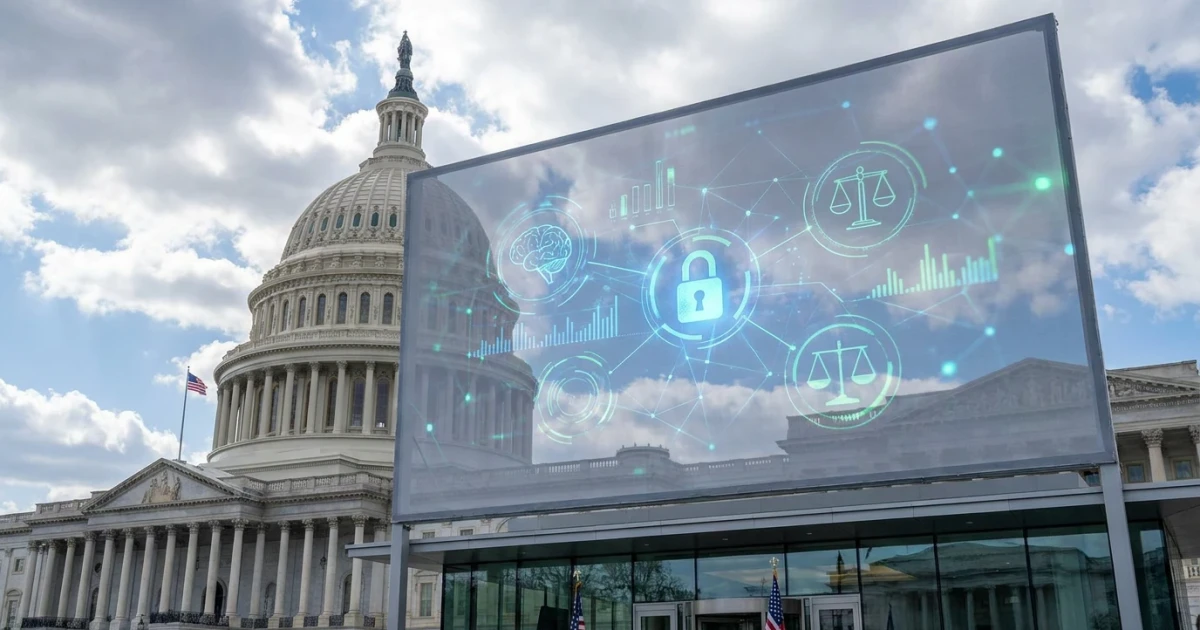
US technology policy saw notable developments in May 2026, as federal agencies and lawmakers advanced new rules and initiatives on artificial intelligence, data privacy, and competition. Technology companies, advocates, and regulators are closely watching these actions, which could reshape the regulatory landscape for years to come.
AI Accountability and Transparency Take Center Stage
The National Telecommunications and Information Administration (NTIA) released an updated AI Accountability Policy Report in May, outlining recommendations for oversight and transparency in artificial intelligence systems. The report, building on stakeholder input, emphasized the need for clearer standards around explainability, risk assessments, and regular audits of AI models. These proposed measures aim to address growing concerns about algorithmic bias and the potential for automated systems to impact civil rights or consumer protection.
- The NTIA report urged agencies to collaborate on technical standards and reporting requirements.
- It also highlighted the importance of public input in setting accountability benchmarks for emerging AI applications.
The White House echoed these sentiments, signaling support for regulatory guardrails that balance innovation with public trust.
FTC Intensifies Scrutiny of Tech Mergers and Data Practices
May saw the Federal Trade Commission (FTC) ramp up investigations into technology mergers and acquisitions, as well as enforcement actions related to user data and privacy. The FTC opened new probes into several high-profile deals, citing potential risks to competition in cloud computing and digital advertising markets.
- Ongoing enforcement actions focused on alleged violations of children's online privacy laws and deceptive data collection practices.
- The FTC also signaled plans to update merger guidelines for tech platforms, taking into account network effects and data dominance.
These moves reflect bipartisan attention to the market power of major technology firms and ongoing debates about the best regulatory approach to safeguarding consumers while promoting innovation.
FCC Advances Internet Accessibility and Net Neutrality Rules
The Federal Communications Commission (FCC) made progress on several fronts in May, including efforts to reestablish net neutrality protections and expand internet accessibility standards. Following a period of public comment, the FCC is preparing to vote on reinstating rules that would prohibit broadband providers from blocking, throttling, or prioritizing internet traffic in exchange for payment.
- The FCC also updated its approach to digital accessibility by referencing the latest Web Content Accessibility Guidelines (WCAG) 2.2 for federal websites and covered services.
- Stakeholders from civil society and industry are weighing in on the potential impact of these regulations for broadband equity and innovation.
Congress Considers Comprehensive Privacy Legislation
Lawmakers in both the House and Senate continued to debate a comprehensive federal privacy bill in May, aiming to set nationwide standards for the collection, use, and sharing of personal data. The legislative text, building on proposals like the RESTRICT Act, seeks to clarify consumer rights, require data minimization, and strengthen enforcement mechanisms.
- Key sticking points include the scope of data covered, preemption of state laws, and private rights of action for consumers.
- Privacy advocates urge robust enforcement and transparency, while industry groups express concern about compliance burdens and innovation risks.
International Developments Shape US Tech Policy
The European Union's Digital Markets Act (DMA) continued to influence US policy debates, especially on gatekeeper obligations for major platforms and interoperability requirements. US regulators and lawmakers are monitoring DMA implementation as they consider parallel measures for domestic markets.
Momentum and Challenges Ahead
May 2026 highlighted the ongoing push-and-pull between regulatory action and technological innovation. As agencies like the FTC and FCC pursue new rules, and Congress debates sweeping privacy reforms, technology companies and advocacy groups are intensifying their lobbying and public engagement efforts.
With key agency votes and legislative deadlines approaching, the coming months could determine the future shape of the US technology sector—from AI accountability and privacy rights to competition and digital accessibility. Stakeholders across the board agree: May 2026 was a pivotal month for American tech policy.