Politics
US tightens spouse visa checks as family-based immigration scrutiny grows
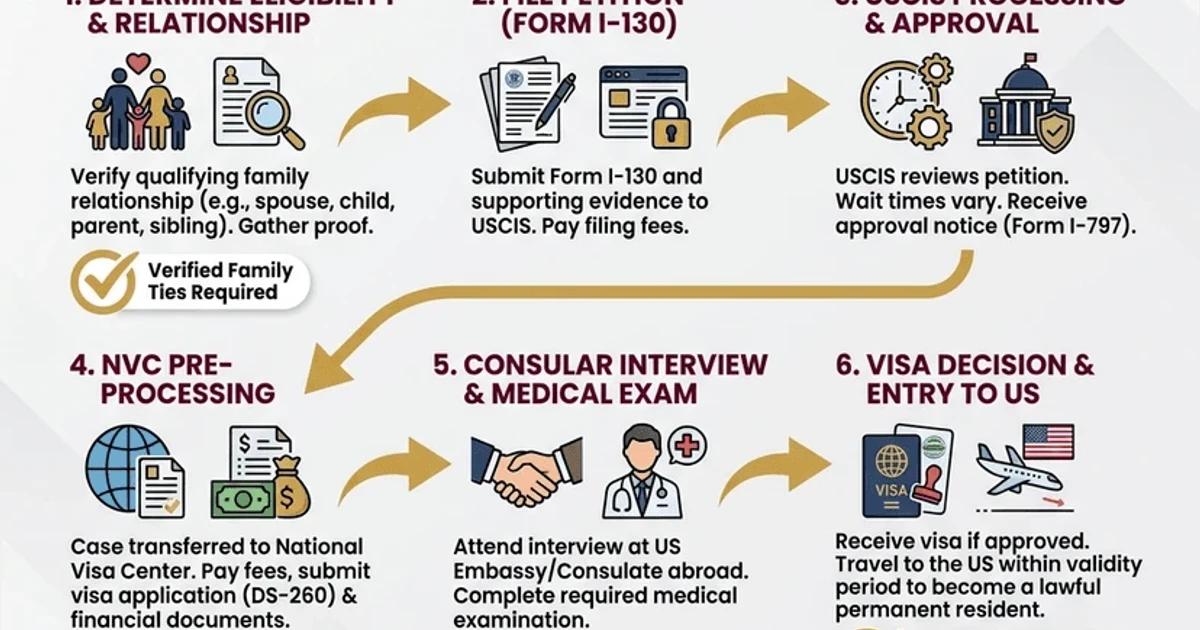
USCIS tightened family-based immigration screening on Aug. 1, 2025, widening vetting, filing, interview and decision procedures for marriage-linked petitions. The change hit a category that has long been central to U.S. immigration law: spouses of citizens are still treated as immediate relatives under federal statute and are not subject to annual visa caps, but the route now comes with more scrutiny, more paperwork and more delays.
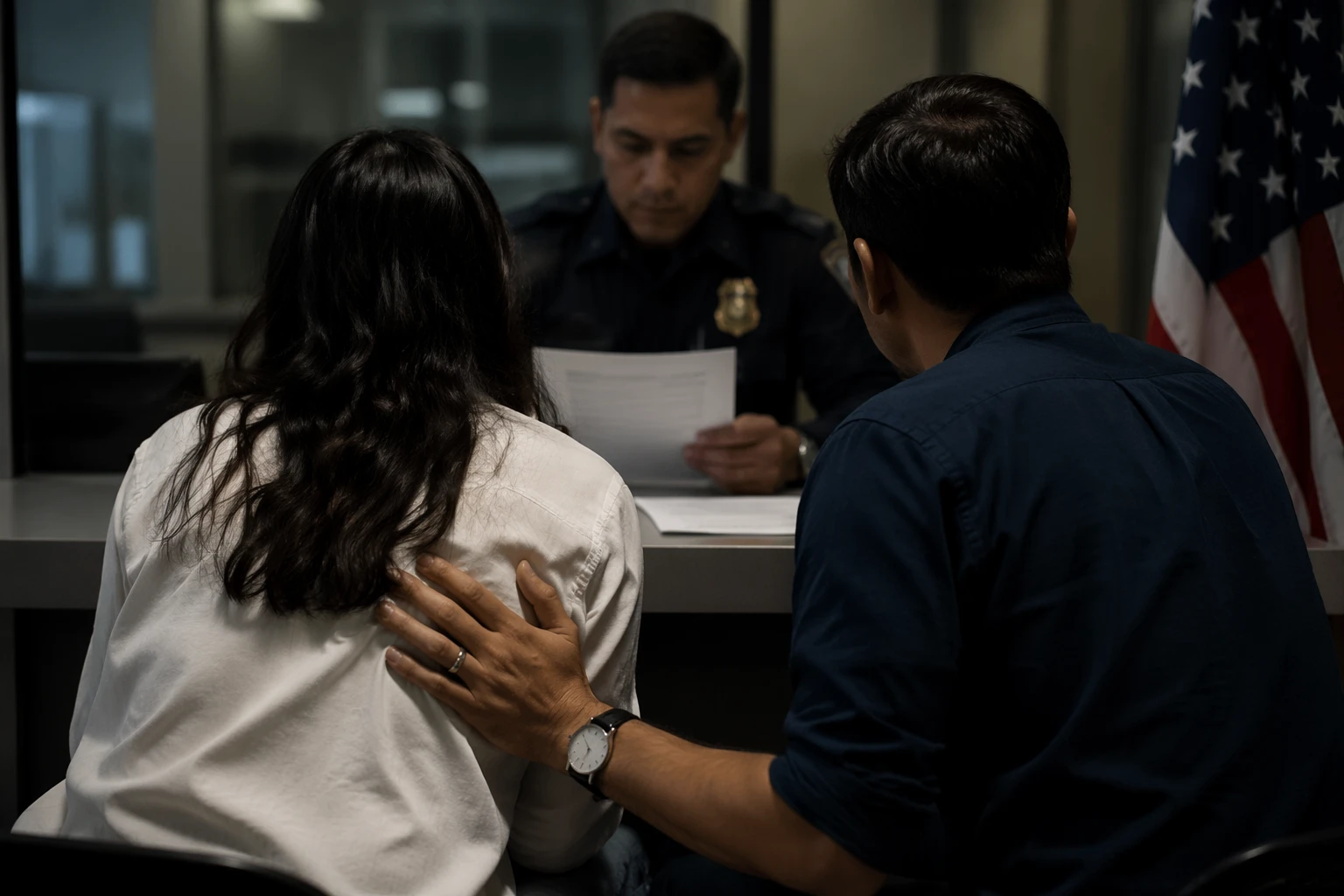
For a U.S. citizen filing for a spouse, the process usually starts with Form I-130 at USCIS. If the spouse is abroad, the case generally moves into consular processing through the State Department and the National Visa Center. USCIS says the marriage must be legally valid and bona fide, and the agency says all adjustment-of-status applicants must be interviewed unless it waives the interview on a case-by-case basis. That is where many couples now meet the system’s new friction points: document requests, interview notices and decisions that can stretch out reunification.
The waiver rules add another layer. USCIS says certain immediate relatives have been eligible to apply for provisional unlawful presence waivers since March 4, 2013, and the process was expanded on Aug. 29, 2016 to more statutorily eligible applicants who need only an unlawful-presence waiver. For spouses who have accrued more than 180 days of unlawful presence, USCIS says a waiver is generally needed before return travel, turning a family petition into a longer sequence of filings, consular review and waiting.
The agency has paired the tougher guidance with a more aggressive fraud posture. In April 2025, USCIS said it helped dismantle a nationwide marriage-fraud operation, including 10 administrative arrests on April 24. In another 2025 case, USCIS said suspected fraud was found in 275 cases during Operation Twin Shield in the Minneapolis-St. Paul area. Those cases have become part of the administration’s justification for tighter screening, even as immigration lawyers warn that legitimate couples can be caught in the same net.
USCIS also says a family-based immigrant petition does not itself grant immigration status or stop removal, a warning that matters for families trying to piece together their case while one spouse remains vulnerable to enforcement. The government’s message is clear: marriage still opens a path to permanent residence and citizenship, but the path now runs through interviews, waivers and documentary proof that the relationship is real.
Sources
- [1]npr.org
- [2]uscis.gov
- [3]travel.state.gov
- [4]egov.uscis.gov
- [5]law.cornell.edu
- [6]apnews.com