World
U.S. to phase out HIV support in South Africa
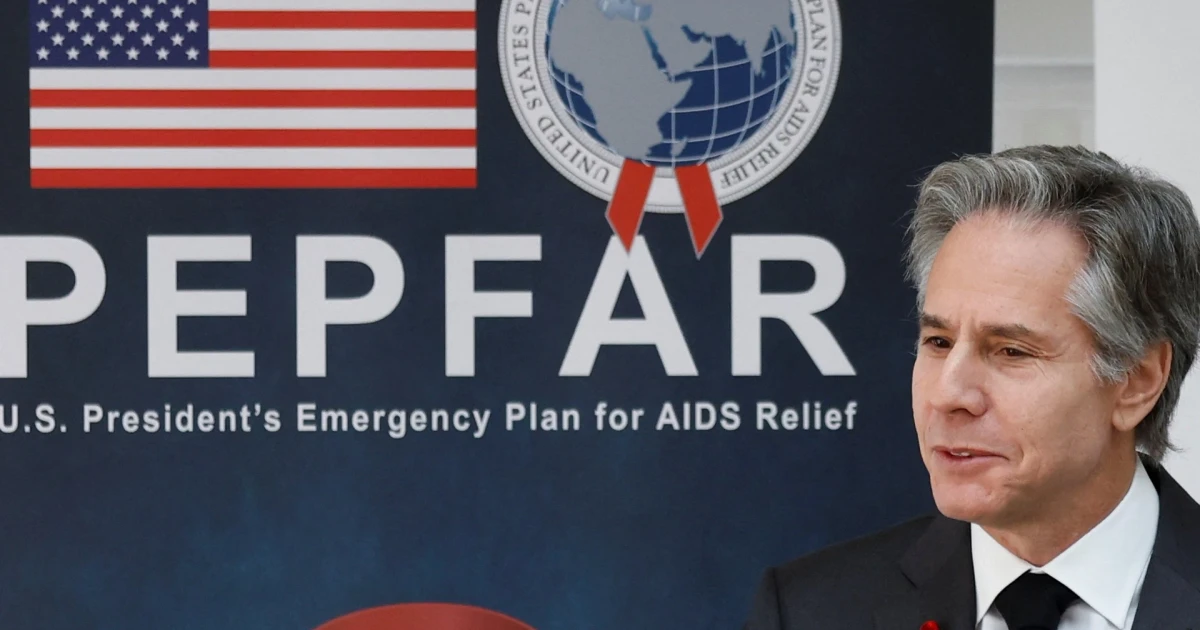
The United States is beginning to wind down support for H.I.V. prevention and treatment in South Africa, putting a major strain on a country that carries the world’s largest epidemic. South Africa has about 8 million people living with H.I.V., roughly one in five adults, and American financing has long been one of the pillars keeping treatment and prevention systems running.
The State Department said PEPFAR has invested more than $100 billion globally since 2003, and an April 2026 data release showed the program was still supporting anti-retroviral treatment for 20.6 million people living with H.I.V. in more than 50 countries. In South Africa, the shift comes after years of U.S. support that helped sustain testing, treatment and prevention in a country where the virus remains deeply entrenched.
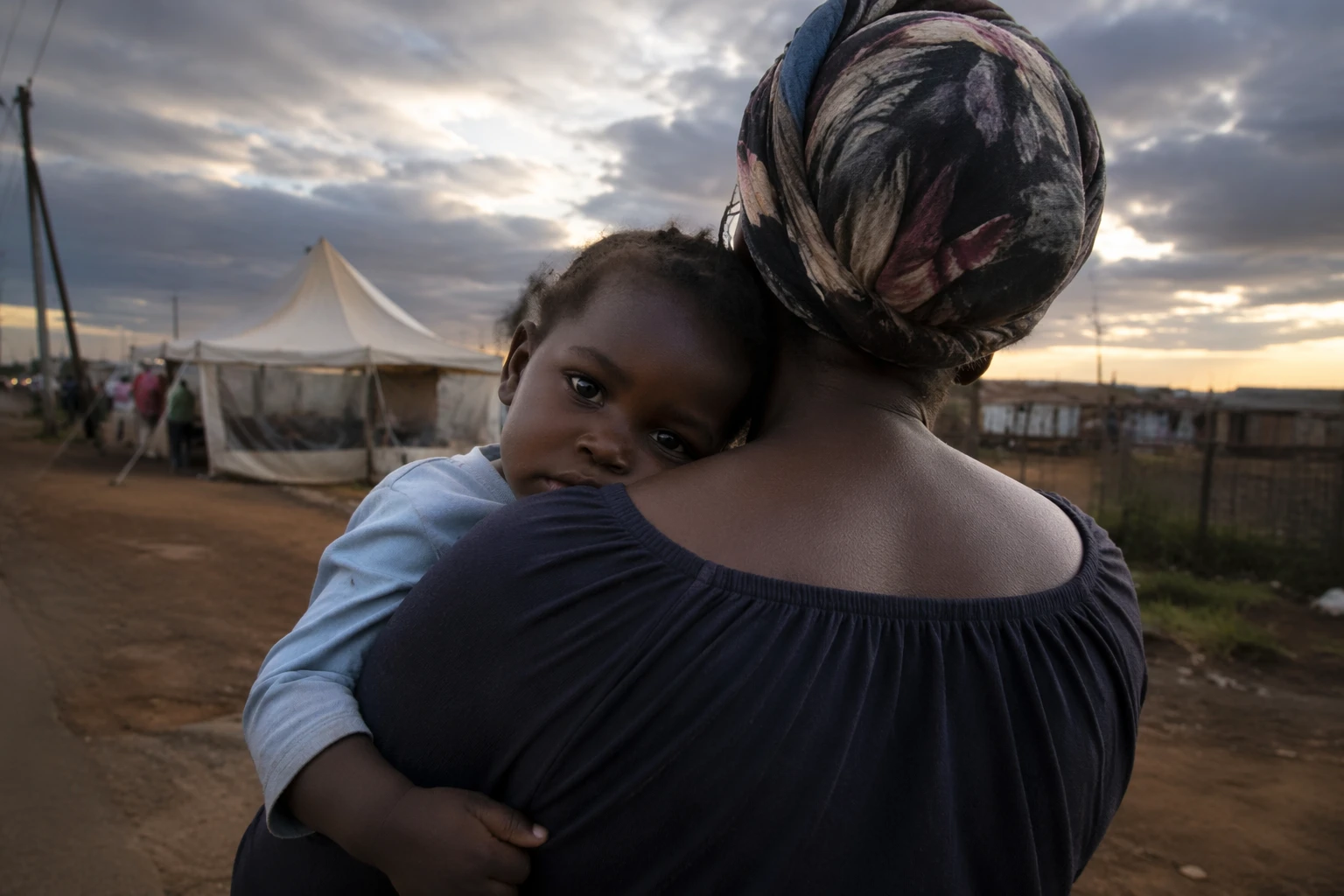
The latest phase-out follows an earlier six-month bridge plan that Politico reported totaled $115 million and was meant to keep H.I.V. treatment and prevention going until the end of March 2026. South Africa’s National Treasury then allocated R753 million in July 2025 to help cover the shortfall created by U.S. H.I.V. and tuberculosis grant cuts. Even with that stopgap funding, the damage was already visible: UNAIDS reported clinic closures, disrupted testing and reduced viral-load monitoring after the U.S. reductions.
Those disruptions matter because South Africa’s H.I.V. response depends on a large, functioning care network. Viral-load testing helps doctors see whether treatment is working and whether patients are becoming dangerously ill or at risk of transmitting the virus. The funding loss also arrives as South Africa begins rolling out lenacapavir, a twice-yearly prevention shot that health experts say could change the course of the epidemic if prevention systems can reach the people most at risk.

The cut is also political. U.S. officials have linked the move to broader tensions with Pretoria, including the Trump administration’s accusations about South Africa’s treatment of Afrikaners. That makes the decision more than a budget line: it is a test of whether Washington is prepared to walk away from one of its most successful foreign-aid commitments, even as millions of patients and the clinics that serve them remain dependent on it.
Sources
- [1]nytimes.com
- [2]state.gov
- [3]politico.com
- [4]sanews.gov.za
- [5]unaids.org