World
US Trade Court Finds Trump Tariffs Illegal, Limits Ruling
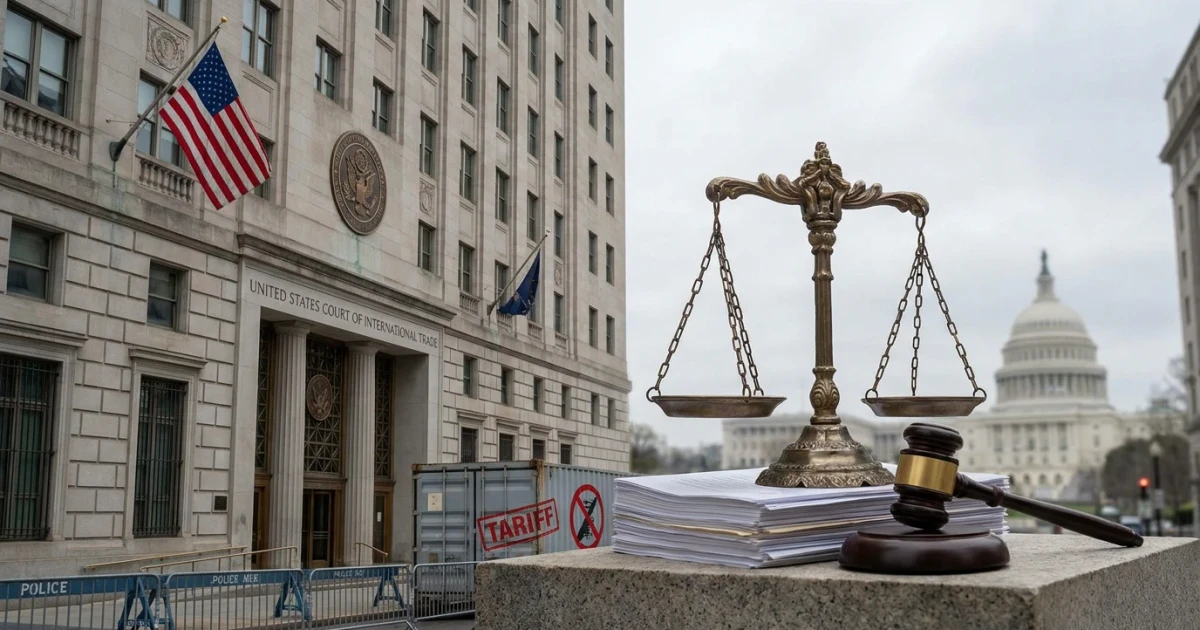
A US trade court has ruled that former President Donald Trump's 10% global tariffs were illegal, but the decision stops short of a full reversal, issuing only a narrow block on their enforcement. The ruling, first reported by The Economic Times, marks a significant development in the ongoing debate over the legality of tariffs imposed during the Trump administration.
Background on Trump-Era Global Tariffs
In 2018, the Trump administration introduced a series of tariffs on steel, aluminum, and a range of other goods, citing national security concerns under Section 232 of the Trade Expansion Act. These measures, which included a 10% tariff on a broad category of imports, were part of a broader strategy to reduce the US trade deficit and protect domestic industries. Comprehensive details about the affected products and tariff rates can be found in the USITC Harmonized Tariff Schedule Data.
The Court’s Decision and Its Scope
The Economic Times reported that the US trade court found Trump's global 10% tariffs to be inconsistent with US law, effectively declaring them illegal. However, the court opted for a "narrow block," meaning the decision's immediate impact is limited. The tariffs are not universally struck down, but certain applications are now prohibited.
- Only specific cases or products affected by the court's block will see relief from the tariffs.
- The broader structure of the tariffs—particularly those tied to national security—remains in place pending further legal review.
This nuanced outcome reflects the longstanding legal and political complexities surrounding the Trump-era tariff regime. For a deeper dive into the economic and industry impacts of these measures, readers can consult the USITC Report on Section 232 and 301 Tariffs.
Economic and International Implications
The ruling is likely to have ripple effects in international trade circles. Tariffs of this magnitude affected a wide range of imports, influencing prices, supply chains, and the US's relationships with major trading partners. Official US imports data shows significant shifts in import volumes following the tariffs' introduction.
Meanwhile, the World Trade Organization has been reviewing various disputes related to US tariffs. The court's decision may inform ongoing cases, such as the WTO dispute over US tariff measures brought by other nations.
What Comes Next?
The narrow scope of the ruling means that many of Trump's tariffs remain in effect, at least for now. Legal experts anticipate further appeals and possible legislative responses as stakeholders seek clarity. Businesses affected by the tariffs are watching closely for guidance on whether and how the court's decision will translate into changes in import costs or supply chain strategies.
For ongoing updates and data on tariff collections, consult the latest US Customs and Border Protection trade statistics.
Outlook
While the US trade court’s finding challenges the legal foundation of Trump’s 10% global tariffs, the limited scope of the block means the broader debate over US trade policy is far from settled. Stakeholders across industry and government will be monitoring the next legal and regulatory steps closely, as the landscape for US import tariffs may continue to shift.