US News
U.S. traffic deaths hit lowest first-quarter rate since 2014
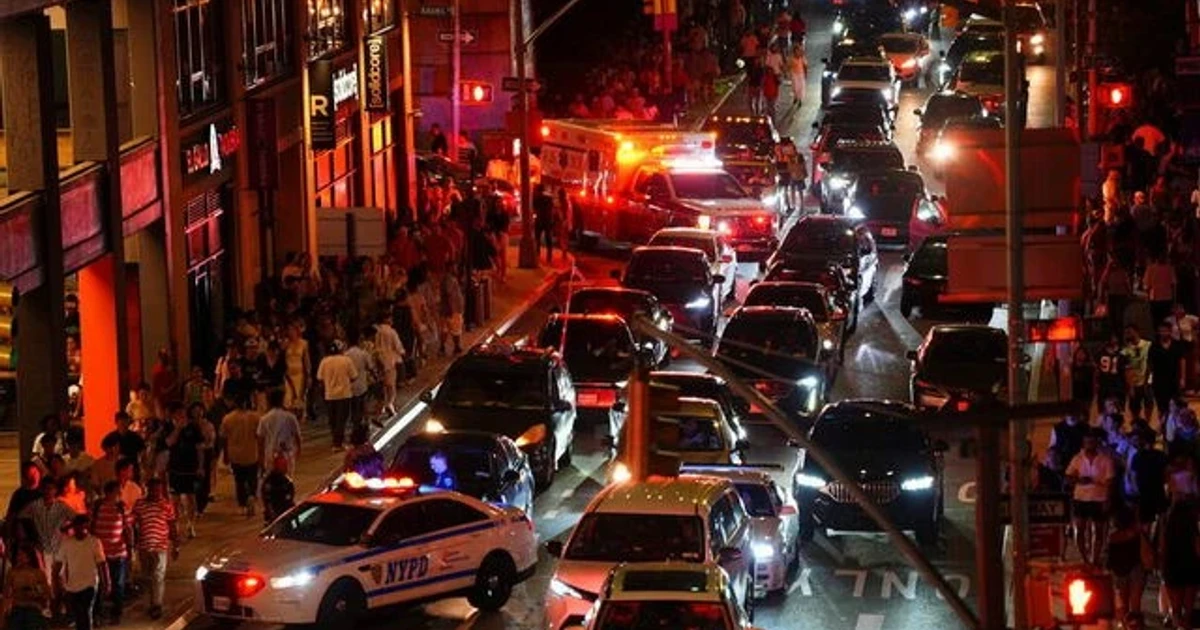
Traffic deaths in the United States fell to their lowest first-quarter rate in more than a decade, with 7,770 people killed from January through March 31, 2026, the National Highway Traffic Safety Administration estimated. The agency said the toll was down 4.3% from the same period in 2025, while the fatality rate slipped to 0.99 deaths per 100 million vehicle miles traveled.
That rate is the lowest quarterly figure since 2014 and the second-lowest first-quarter rate ever recorded, just above the 0.98 mark from about 15 years ago. It also puts the decline in context: the country was not just seeing fewer deaths in raw terms, but fewer deaths for every mile Americans drove.
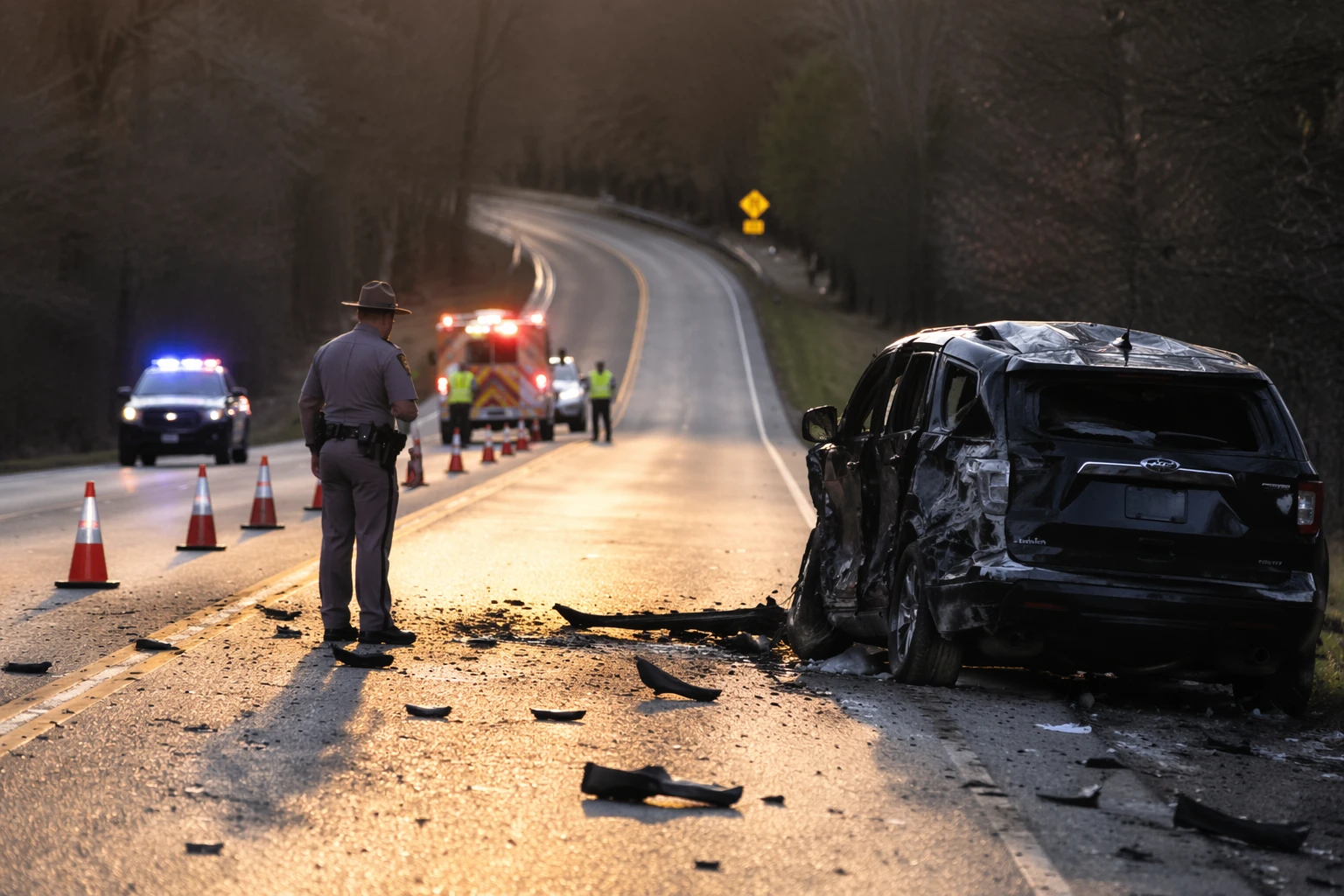
NHTSA labels the figure an early estimate, meaning it can be revised as fuller crash reports come in. Even so, the first-quarter reading extends a broader downward trend that started in the second quarter of 2022 and continued through 2025, after the pandemic-era spike in road deaths unsettled transportation safety officials, insurers and automakers.
The latest quarterly drop followed a strong year of improvement in 2025, when NHTSA estimated 36,640 traffic deaths nationwide, down 6.7% from 2024. The agency said the 2025 fatality rate fell to 1.10 deaths per 100 million vehicle miles traveled, the second-lowest annual rate in recorded history, and fatalities declined in 39 states, Washington, D.C. and Puerto Rico.
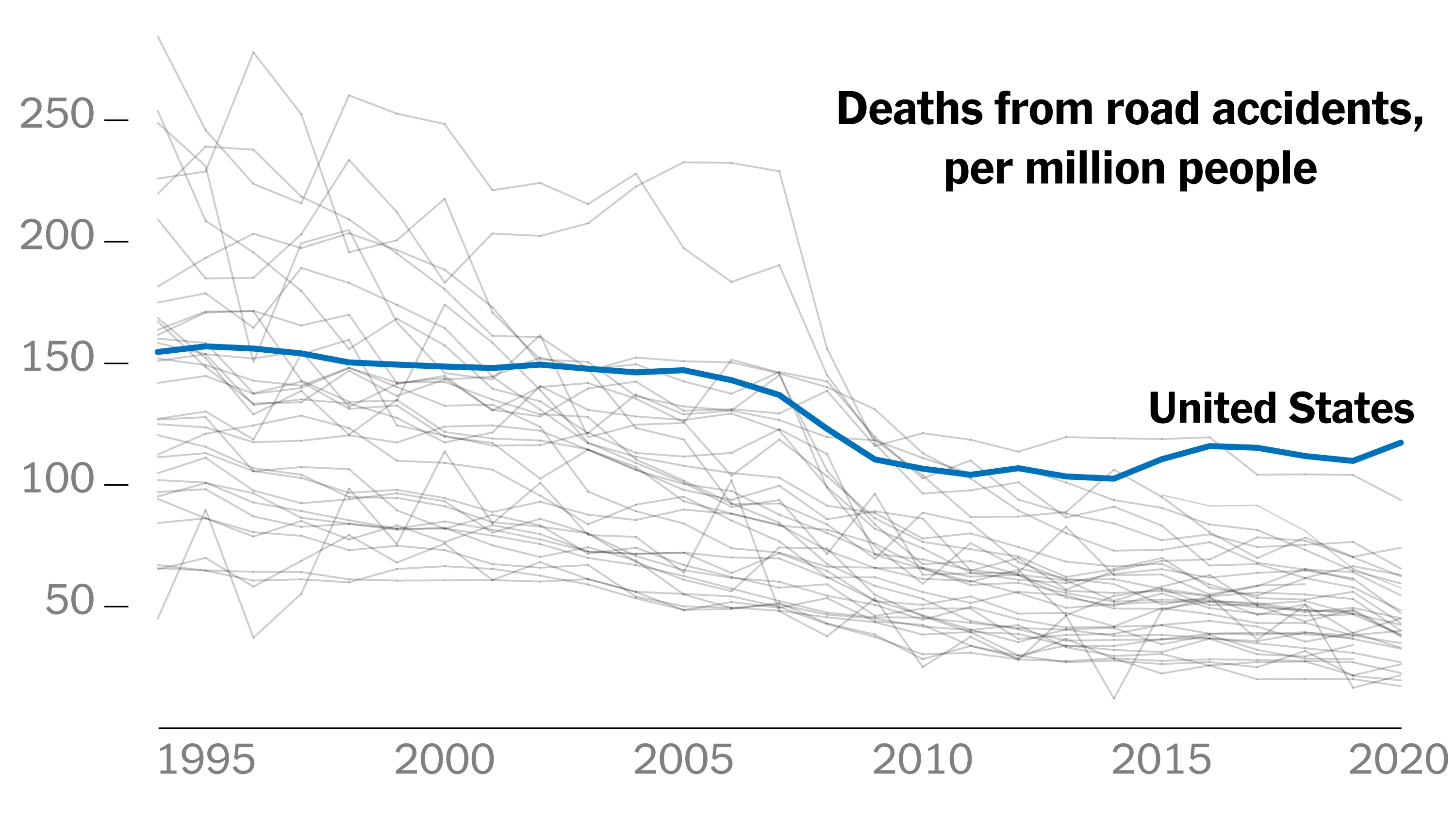
The first-quarter numbers do not isolate one cause, leaving open the question of how much of the improvement is coming from safer vehicles, stricter enforcement, redesigned roads or changes in driving behavior after the pandemic. NHTSA has pointed in recent materials to broad safety efforts and high-visibility enforcement campaigns aimed at speeding and distracted driving, but the data in hand show only the result: a nationwide decline that was broad-based enough to reach most of the country, yet still vulnerable to later revision and to the uneven risks that remain on American roads.
Sources
- [1]usnews.com
- [2]crashstats.nhtsa.dot.gov
- [3]nhtsa.gov