World
US Troop Reductions in Europe Raise Strategic Questions
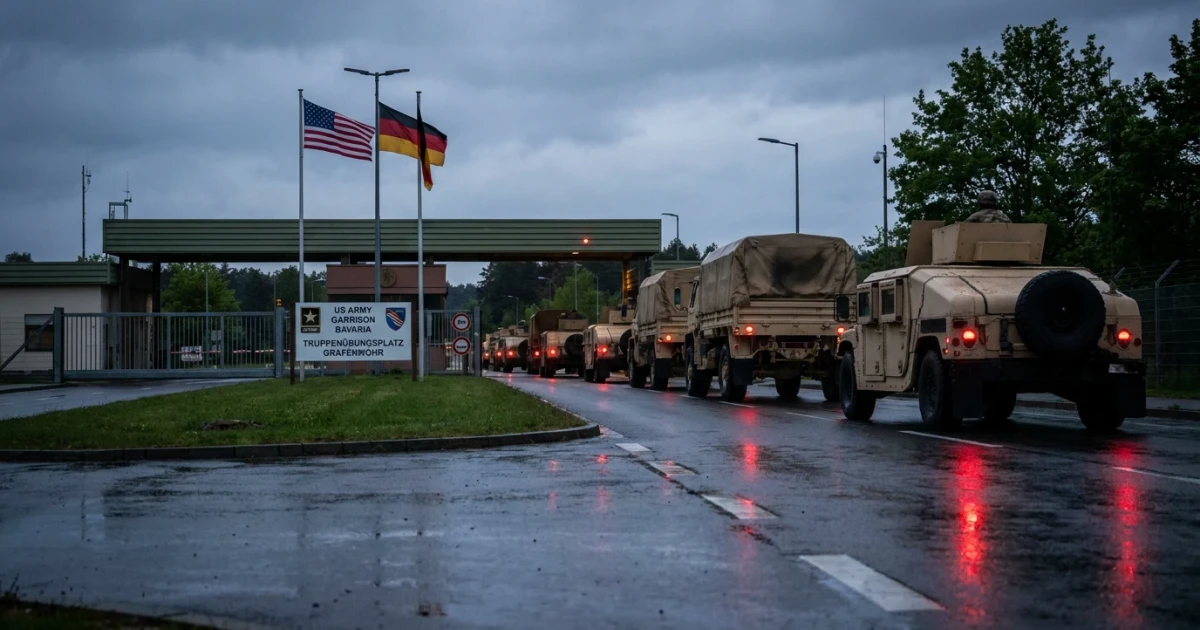
The proposed withdrawal of 5,000 US troops from Germany is drawing attention to the complex network of American military bases across Europe and the broader implications for NATO and transatlantic security. As former President Donald Trump renews calls for a significant drawdown, questions are emerging about the strategic, political, and operational impacts such a move would have on US and allied interests in the region.
Current US Military Footprint in Europe
The US military presence in Europe has been a cornerstone of NATO’s collective defense since the end of World War II. According to data collected by the Defense Manpower Data Center and summarized by Statista, the United States currently stations approximately 35,000 troops in Germany, the largest contingent on the continent. Other significant deployments include 12,000 in Italy and 9,000 in the United Kingdom. Smaller numbers are spread across Poland, Belgium, Spain, and the Baltic states.
- Germany: ~35,000 personnel
- Italy: ~12,000 personnel
- United Kingdom: ~9,000 personnel
- Poland, Belgium, Spain, Baltics: Several thousand personnel combined
The military network includes key command centers, logistics hubs, and airbases such as Ramstein Air Base and Stuttgart, which serve as headquarters for US European Command (EUCOM) and play a vital role in coordinating operations across the continent and beyond.
Trump’s Proposal and Its Rationale
During his administration and in recent statements, Donald Trump has repeatedly questioned the financial burden of US commitments to European defense, arguing that allies should contribute more to their own security. The proposed withdrawal of 5,000 troops from Germany aligns with these views, targeting one of the largest US overseas deployments for reduction.
AP News emphasized that the loss of 5,000 troops in Germany is only one part of the broader challenge facing Europe. The withdrawal is seen not as an isolated event, but as a potential starting point for larger changes in US military posture on the continent. Some American officials and defense experts worry that such moves could weaken deterrence, disrupt allied planning, and send mixed signals to adversaries.
Strategic and Political Implications
Military analysts note that US force levels in Europe have already declined significantly since their Cold War peak, when more than 300,000 troops were stationed across the region. Current deployments are tailored to rapid reinforcement, training, and joint operations with NATO allies. The NATO factsheet underscores the importance of American bases for alliance readiness, missile defense, and crisis response.
- The US presence supports NATO’s Article 5 collective defense commitments
- US bases in Germany and elsewhere serve as launchpads for missions in the Middle East and Africa
- European allies rely on US logistical, intelligence, and airlift capabilities
Critics of the drawdown argue that reducing troop numbers could embolden Russia and undermine allied confidence, especially in light of recent tensions in Eastern Europe. Supporters counter that Europe’s security environment has changed, and that resources could be better allocated elsewhere.
European Reactions and Next Steps
The prospect of US troop reductions has sparked concern among several European governments, particularly in Germany, Poland, and the Baltic states. German officials have expressed disappointment, while Poland has offered to host additional American forces if redeployments proceed. NATO, for its part, has reiterated the enduring value of US engagement in European security, but recognizes that force posture decisions ultimately rest with Washington.
AP News notes that the debate is likely to continue as US policymakers weigh budgetary pressures, shifting strategic priorities, and alliance obligations. Any significant changes would require careful planning to avoid gaps in deterrence and operational readiness, as highlighted by recent GAO analysis of overseas military presence challenges.
Looking Ahead
As the discussion over US troop levels in Europe intensifies, the coming months will test the balance between fiscal constraints, alliance solidarity, and evolving security threats. While a reduction of 5,000 personnel may appear modest against the backdrop of overall deployments, it signals a broader reassessment of America’s global military commitments—and the strategic partnerships that have defined European security for decades.