Politics
U.S. Urges Allies to Intensify Actions on Iran
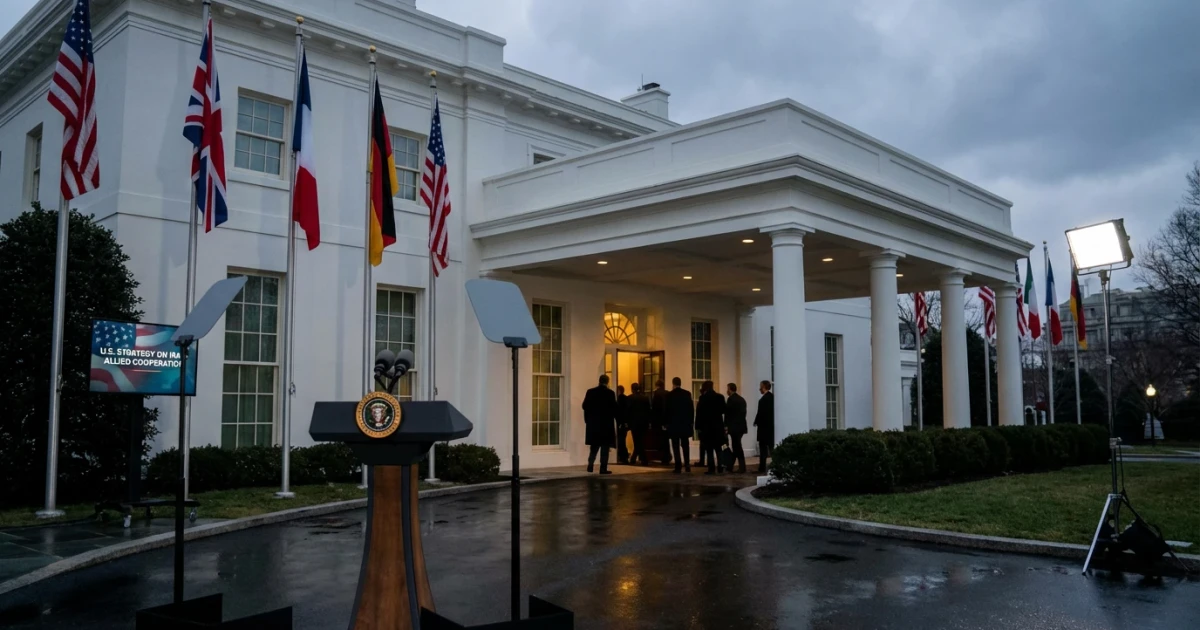
The White House is pressing allied nations to step up their cooperation as the United States accelerates its confrontational approach toward Iran, according to recent statements by government officials. The developments mark a significant shift in U.S. foreign policy and have sparked widespread discussion among analysts and international observers about the implications for regional and global stability.
U.S. Shifts to a More Aggressive Posture
In comments reported by the Los Angeles Times, officials made clear that the U.S. is "accelerating" its efforts against Iran, drawing on a mix of diplomatic pressure, economic sanctions, and calls for military readiness. This strategy comes in response to ongoing concerns about Iran’s regional activities, its nuclear ambitions, and its support for groups the U.S. designates as terrorist organizations.
- The U.S. has enacted a series of stringent sanctions measures designed to restrict Iran’s economic and military capabilities.
- According to the 2023 Country Reports on Terrorism, Iran continues to be described as a leading state sponsor of terrorism, providing financial and logistical support to groups across the Middle East.
- U.S. officials have cited intelligence that suggests Iran is advancing its nuclear program, with a timeline and details available on the Iranian Nuclear Timeline.
White House Seeks Broader International Backing
The White House is urging allied governments—particularly in Europe and the Middle East—to join the U.S. in ramping up both diplomatic and economic pressure on Iran. Administration officials are reportedly engaged in high-level talks, emphasizing the importance of a united front to maximize the impact of sanctions and deter further escalation.
Efforts include:
- Coordinating enforcement of United Nations sanctions and tightening loopholes used by Iranian entities.
- Enhancing intelligence sharing among allied countries to track Iranian military movements and weapons transfers, as documented in the SIPRI Arms Transfers Database.
- Pushing for renewed diplomatic pressure at international bodies, including the UN Security Council.
Concerns and Divisions Among Allies
While the U.S. insists that a coordinated approach is critical, not all allies have been equally receptive. European countries, in particular, have historically favored a balance of sanctions and diplomacy, sometimes diverging from Washington’s more hardline stance. These differences raise questions about the potential effectiveness of a unified front.
Experts cited in various research analyses, such as the Congressional Research Service, argue that without robust allied participation, the impact of U.S. measures could be limited. There are also concerns about unintended consequences, including the risk of escalation or backlash in the region.
Public and Global Reactions
Public opinion in the United States remains divided on the issue, with recent surveys from Pew Research Center showing mixed attitudes toward Iran and U.S. policy. Some support a tough approach, while others favor diplomacy and caution against further military involvement abroad.
International reactions have also been mixed. Countries in the Middle East, facing direct security concerns, have generally welcomed U.S. efforts but worry about the risks of regional instability. Meanwhile, Russia and China have continued to advocate for dialogue and have sometimes opposed further sanctions at the United Nations.
What Comes Next?
As the U.S. moves to accelerate its strategy, the coming weeks are likely to see increased diplomatic activity, possible new sanctions packages, and continued debates among allies. The situation remains fluid, with significant implications for Iran's military posture, nuclear ambitions, and regional security.
Whether Washington can build the broad-based coalition it seeks—and whether this approach will deter Iran or drive further escalation—remains to be seen. Observers will be watching closely as events develop, with the stakes high for the U.S., its allies, and the broader international community.