World
US victory in Iran masks a strategic defeat for American power
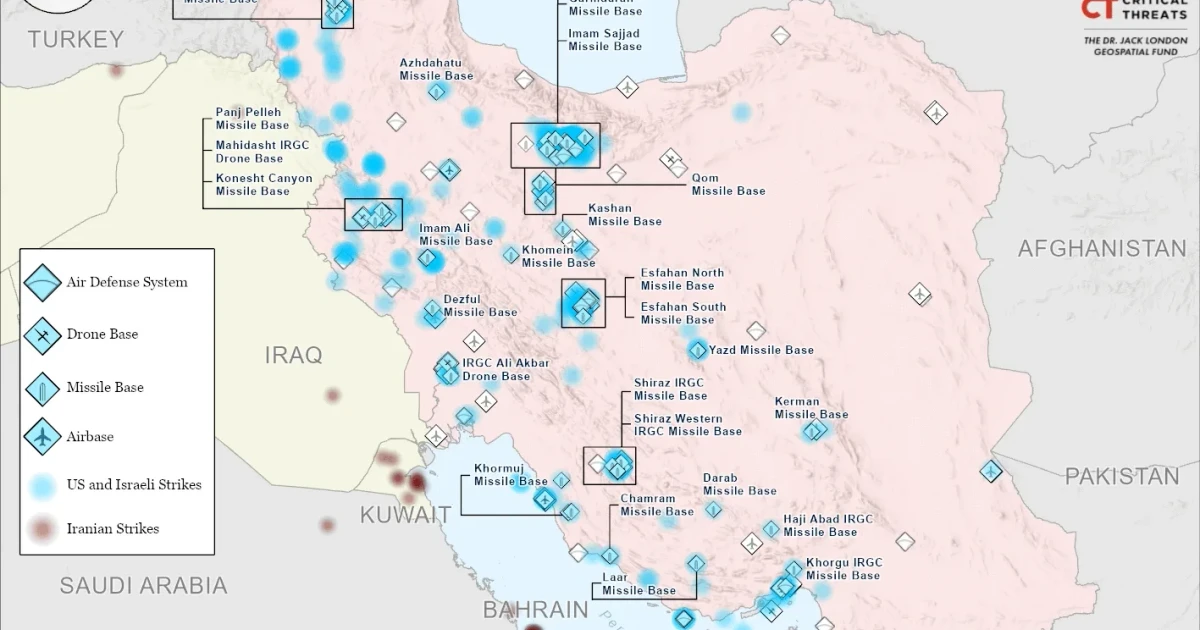
The Iran war delivered the kind of battlefield success that can look decisive in real time and still leave a country weaker in the end. American forces showed reach and precision by killing dozens of high-ranking Iranian officials in the opening hours, but the larger result was a conflict that roiled the global economy, disrupted freedom of navigation, and exposed how little military supremacy can guarantee when the objective is political change.
Tactical success, strategic failure
The clearest divide in this war is between what the United States could do quickly and what it could not do at all. Foreign Policy described the conflict as a case of U.S. strategic insolvency, not simply a record of military victory or defeat, because the opening blows were impressive while the strategic effects turned corrosive. That is the central lesson of the Iran campaign: destroying targets is not the same as producing a stable political order, and overwhelming force does not automatically translate into durable influence.
The war also made the limits of American coercion visible well beyond the battlefield. It sent shock waves through the world economy and unsettled U.S. alliances, while the disruption of navigation in the Persian Gulf and the Strait of Hormuz reminded markets and governments how quickly force in one theater can destabilize commerce far beyond it. In that sense, the campaign delivered a narrow military result and a much wider strategic bill.
Why regime change never followed
Foreign Affairs had already warned on January 15, 2026, that foreign military intervention is unlikely to produce a consolidated democracy in Iran, let alone one aligned with the interests of the intervening power. That warning proved decisive because the war was never only about hitting targets or punishing officials. It was also about whether force could deliver a political transformation that Iranian society itself had not produced through negotiations, institutions, or a consensual transition.
The domestic picture inside Iran underscored that point. Foreign Affairs reported that protests in January 2026 were entering their second week, with Iranian human rights organizations placing the death toll at 2,500 and other sources suggesting more than 10,000. Those numbers show a country already under immense strain, but they do not solve the core problem facing outside powers: military intervention can magnify instability without creating the legitimacy, institutions, or elite bargains that sustain a new government.
Trump’s own rhetoric captured the gap between confidence and outcome. On January 2, 2026, he described the United States as “locked and loaded,” and on January 13 he said “help is on its way.” Those lines projected certainty, but they also frame the strategic problem now visible in hindsight: force can promise momentum, yet it cannot guarantee a political end state that survives the first wave of violence.
The cost to U.S. credibility
Brookings argued on June 8, 2026, that the failure to achieve quick victories in both Ukraine and Iran damaged U.S. credibility and weakened perceptions of Trump’s leadership. That is more than a reputational problem. When allies begin to doubt whether Washington can translate military might into a coherent political strategy, they start hedging, and hedging changes the architecture of power.
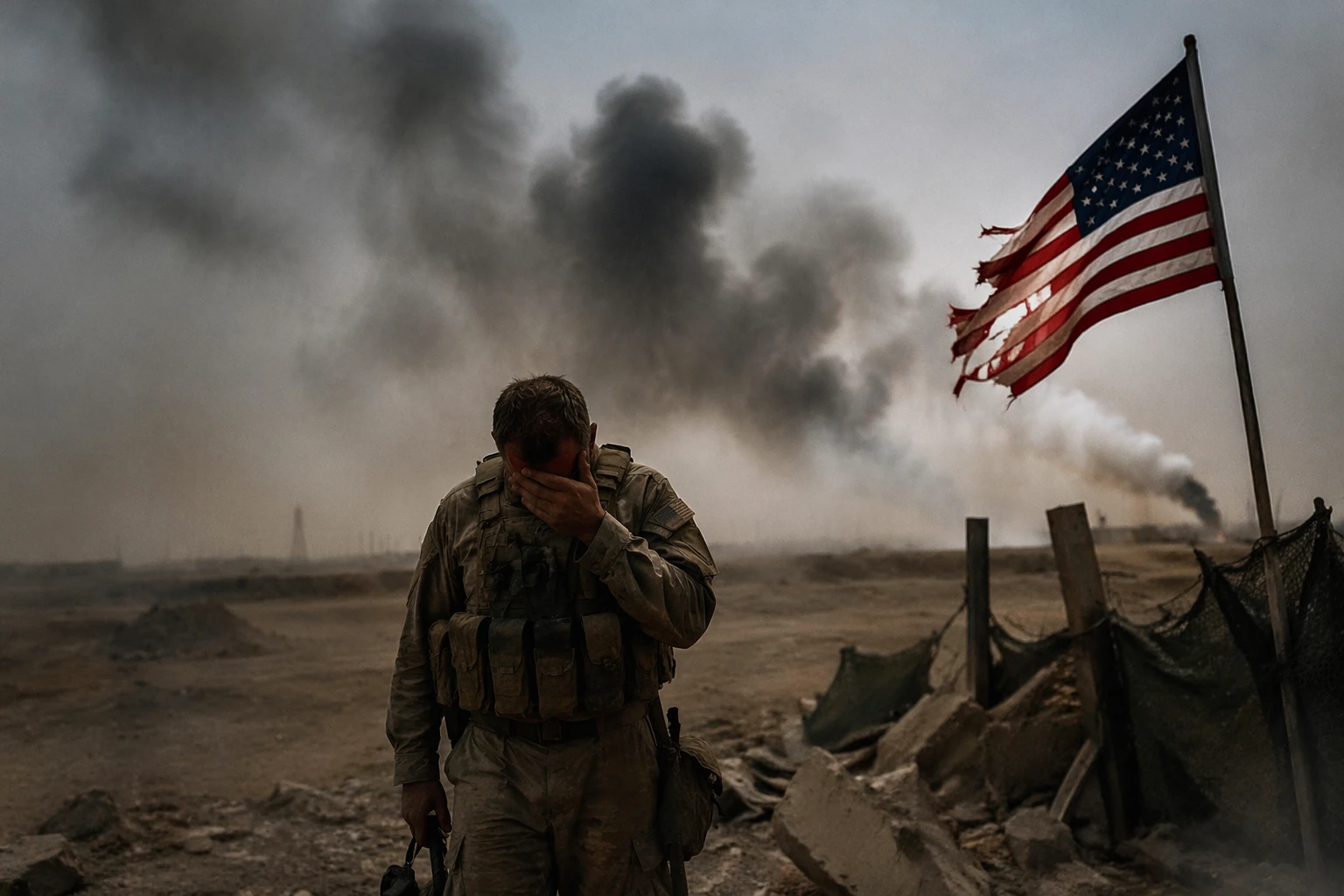
Brookings also said the combined strain of Ukraine and Iran has pushed Europe, Ukraine, and other actors to explore new security arrangements and alternative partnerships because U.S. leadership looks diminished. That shift matters because American influence has long depended not only on weapons and spending, but on the belief that the United States can organize coalitions, set expectations, and make commitments that others will trust. Once that belief weakens, the costs of every future U.S. promise rise.
The same Brookings analysis tied the problem to Vladimir Putin as well as Donald Trump, arguing that failure to achieve quick victories trapped both Russia and the United States in costly wars and weakened international perceptions of their leadership. The comparison is revealing. It suggests that strategic overreach does not just fail to deliver victory; it can also erode the very image of competence that great powers need to deter rivals before the next crisis begins.
The depletion problem no one can ignore
Foreign Policy said on June 9, 2026, that the Iran war depleted key U.S. weapons stockpiles and removed capabilities from other dangerous theaters. That detail matters because stockpiles are not abstract accounting entries. They are the material basis of deterrence, and every munition spent in one war is a munition unavailable for another contingency.
This is where tactical success becomes strategically expensive. The United States may have won the opening engagements, but the cost of doing so was to strip capacity from elsewhere and expose a thinner margin for error in future crises. A war that drains weapons, unsettles allies, and roils trade does not simply end when the shooting slows; it leaves behind a narrower and less flexible American power structure.
That is why Hal Brands argued on June 9, 2026, that the conflict had thrown U.S. strategic insolvency into harsh relief. The phrase fits because the war revealed a mismatch between what Washington can destroy and what it can build. Military superiority still matters, but this conflict showed that it no longer guarantees political outcomes, alliance confidence, or deterrence on its own.
What the Iran war now means for American power
The broader lesson is not that force is irrelevant. It is that force has tighter limits than American leaders often admit, especially when they try to use war to impose political change. The Iran campaign showed that the United States can still strike hard, but it also showed how quickly tactical brilliance can be absorbed into strategic failure when the aftermath produces instability, reassessment by allies, and depletion of U.S. power.
In that respect, the war should be read as part of a larger pattern rather than an isolated episode. Brookings linked the credibility damage in Iran to the strain of Ukraine, while Foreign Affairs and Foreign Policy each warned in different ways that military action would not deliver the political order Washington wanted. Together, those assessments point to a hard conclusion: the United States won the fight it could see, but it paid for a war that weakened the power it will need next.
Sources
- [1]nytimes.com
- [2]brookings.edu
- [3]foreignpolicy.com
- [4]foreignaffairs.com