US News
U.S. visa fees and delays are squeezing touring artists
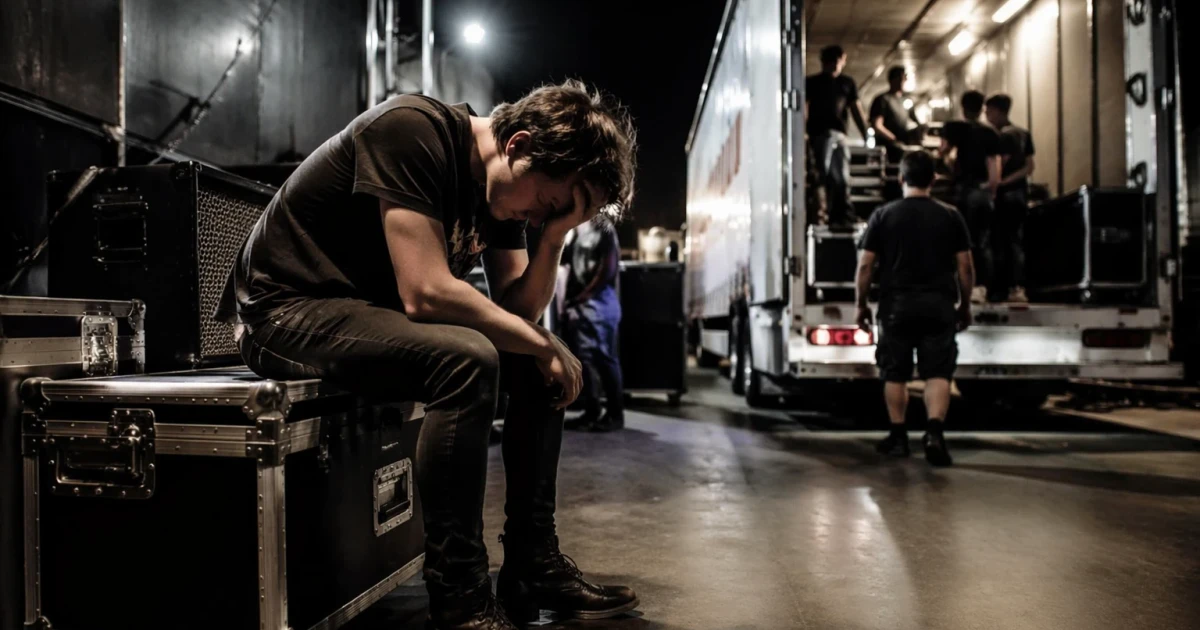
USCIS made its new fee rule effective April 1, 2024. Over the past two years, the U.S. artist-visa system has become more expensive, slower, and less predictable at the exact moment touring economics are already tight. The State Department narrowed interview waivers in 2025, and arts groups say the result is a two-step bottleneck that can knock international acts off American calendars before tickets ever go on sale.
The new cost floor
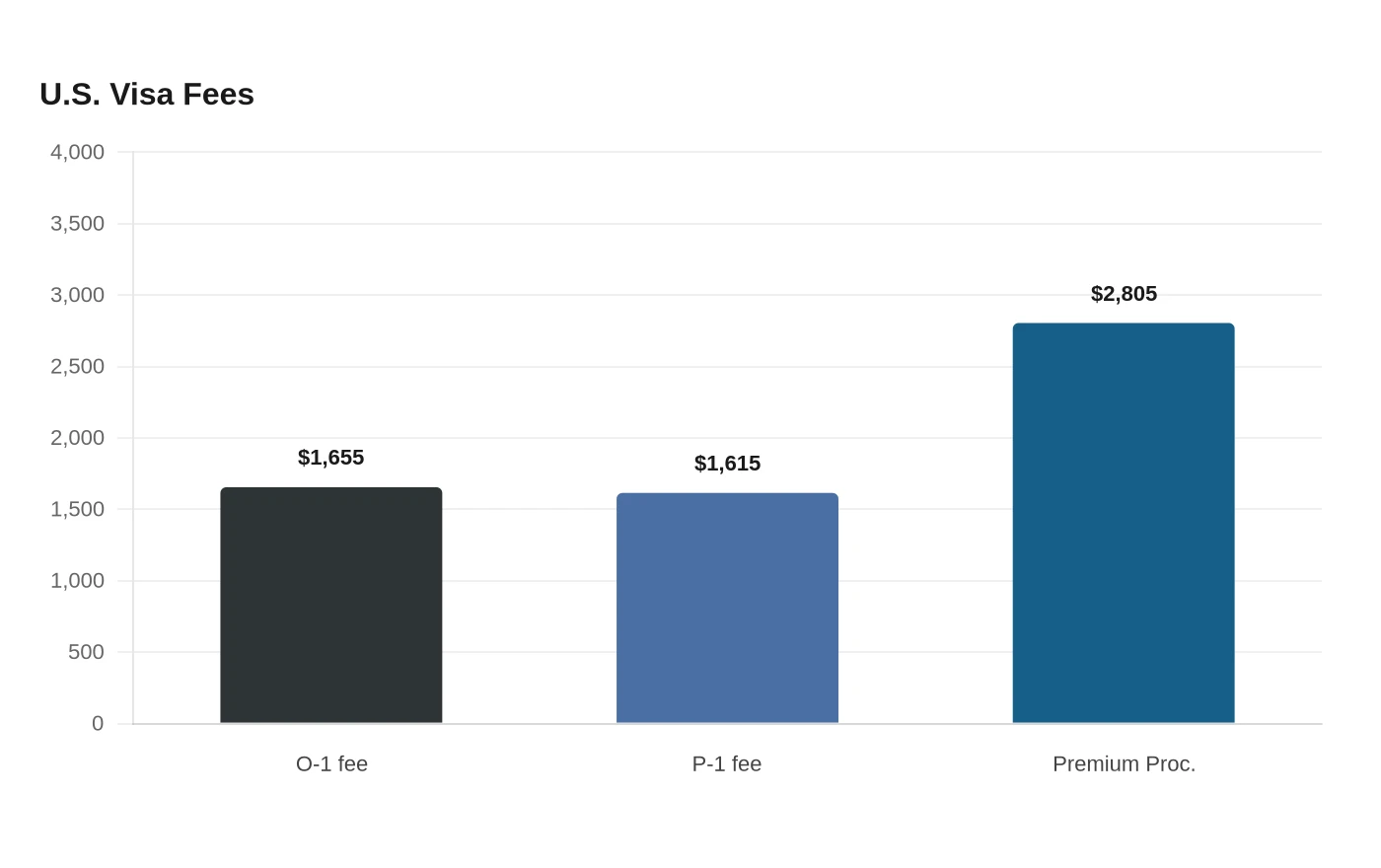
For artist petitions, O and P filings crossed the $1,000 threshold for the first time, with the O-1 fee at $1,655 and the P-1 fee at $1,615. Premium Processing is a separate charge on top of that, and USCIS increased that fee to $2,805 beginning February 26, 2024.
A single tour is rarely one filing. Large ensembles can require multiple petitions, and the cost multiplies fast when an orchestra, band, or production has to cover several performers, a lawyer, and expedited handling. USCIS also requires the same Form I-129 backbone for O and P classifications, so a form mistake can delay the whole filing chain.
Approval is only half the process
Even after USCIS approves a petition, each performer still needs a separate visa interview or visa stamp at a U.S. consulate in their country of residence. A successful USCIS filing does not guarantee a workable tour calendar.
The consular side got tighter in 2025. The State Department said that, effective September 2, 2025, most nonimmigrant visa applicants would generally need an in-person interview, with only narrow exceptions for diplomatic categories and limited renewals. For artists who once relied on interview waivers to speed things up, that added another layer of uncertainty and more pressure on already crowded consular schedules.
Delays are changing how tours get built
Arts groups say the practical effect has been slower adjudication, unexplained rejections in some cases, and tour planning that now starts far earlier than it used to. In March 2025, APAP said many arts petitioners had seen increased processing delays and, in some cases, petition rejections without clear explanation since the April 2024 fee and processing changes. Artists From Abroad said the same pattern was showing up in 2025 guidance for petitioners.
The bottleneck is visible in real routing decisions. At New York’s New Colossus Festival, 196 artists were scheduled to perform, more than half from outside the United States, inside 150-person clubs spread across the city. For ordinary touring plans, the process has become much more arduous and expensive.
Delays also distort timing. Tamizdat, which advocates for international artist mobility, said petitions were being routed through a centralized service center and then distributed to California and Vermont, with Vermont’s processing stretching from about one month to three and California’s from two to four months to eight. Smaller and mid-tier artists often cannot book eight months ahead or absorb an extra $2,800 for expedited handling.
Which cities get left off the map
When the visa clock slips, tours tend to shrink toward the safest, highest-revenue stops. If a promoter cannot secure approval months in advance, secondary dates are the first to disappear, and the city that loses out is often not New York or Los Angeles but the mid-sized market that was only viable if the full routing held together.
That effect is already showing up in cancellations and rescheduling. Canadian-Iranian musician Amir Amiri canceled four Colorado shows after seven months of petitioning and paying fees. Other artists have postponed or scrapped U.S. dates when paperwork failed to clear in time, and some promoters and bookers have said they now file no later than six months ahead just to protect the calendar.
The procedural hurdle that keeps returning
The 2025 Form I-129 change added one more friction point. USCIS said it would only accept the 01/20/25 edition for O and P petitions beginning July 30, 2025, forcing petitioners to keep pace with a new form version on top of higher fees and slower consular processing. For touring production teams, that kind of administrative churn compounds the risk of filing late, filing wrong, or filing too close to a debut date.
Sources
- [1]npr.org
- [2]artistsfromabroad.org
- [3]americanorchestras.org
- [4]djmag.com
- [5]visaverge.com
- [6]apap365.org
- [7]news.wfsu.org
- [8]theviolinchannel.com