World
US waives Iran oil sanctions as Tehran disputes inspection claims
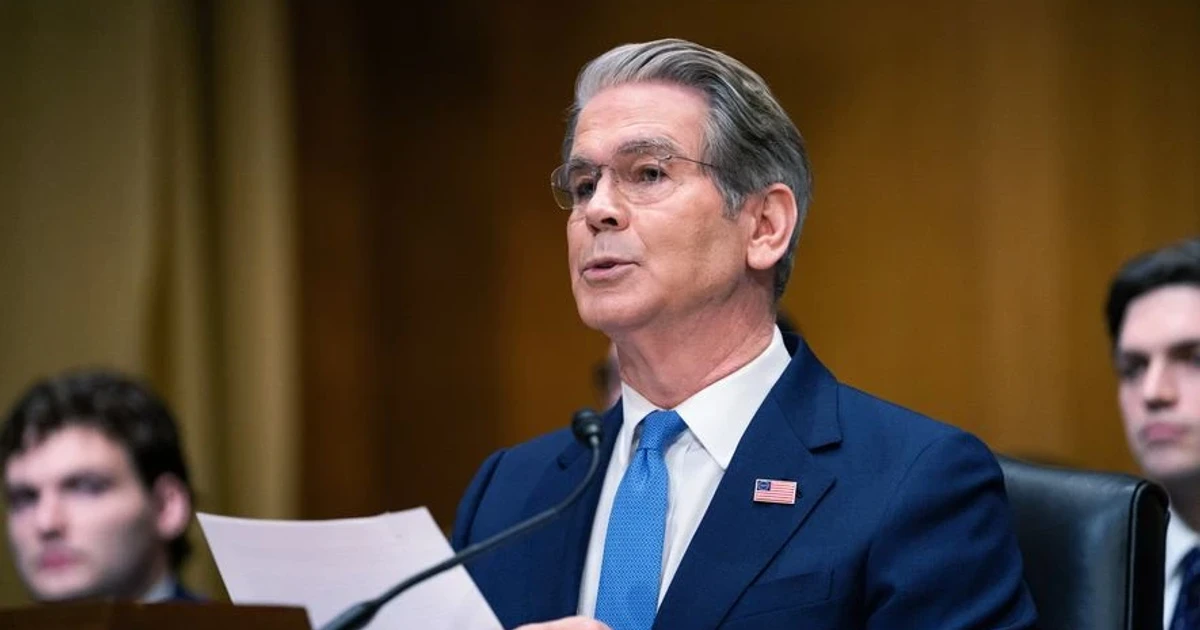
Washington eased pressure on Iran’s oil sector while publicly escalating demands on nuclear transparency, a contradiction that now sits at the center of U.S. policy toward Tehran. The Treasury Department issued a 60-day general license on Monday allowing the production, delivery and sale of Iranian crude oil, petrochemicals and petroleum products through August 21, a temporary sanctions waiver that could amount to roughly $10 billion in revenue and, for the first time in decades, permit some payments in U.S. dollars.
Treasury Secretary Scott Bessent said the authorization followed productive talks between U.S. and Iranian officials in Switzerland over the weekend. U.S. officials have cast the move as part of a broader push to reach a final peace deal, secure commitments on nuclear inspections and preserve free transit through the Strait of Hormuz, the narrow waterway that remains one of the world’s most sensitive chokepoints for energy flows. The waiver signals that Washington is willing to trade immediate economic relief for diplomatic access, even as it keeps the threat of renewed pressure in reserve.
That balance was immediately tested by a public dispute over inspections. JD Vance said Iran had agreed to let International Atomic Energy Agency inspectors back into the country and that inspectors would be able to return to nuclear sites. Tehran rejected that account, saying there were no new commitments on inspections and denying that it had agreed to restore access. The clash matters because if inspectors return to sites struck by the United States and Israel in June 2025, it would be the first such access since last year, after inspectors were withdrawn for safety reasons and Iran later suspended cooperation with the IAEA.

The inspection question is not abstract. The IAEA said its inspectors last verified inventories of more than 400 kilograms of uranium enriched to 60% shortly before the Israeli strikes began on June 13, 2025. That stockpile remains central to any serious accounting of Iran’s nuclear program and to any deal that claims to impose verifiable limits. Donald Trump added to the uncertainty, saying he would “do what I have to do” if Iran failed to live up to its agreement, a warning that suggests the sanctions relief could be reversed quickly if implementation falters.
For now, the White House is trying to claim two goals at once: easing oil restrictions to keep diplomacy alive, while insisting on measurable nuclear constraints. Tehran’s public denial of any new inspection commitment shows how fragile that arrangement remains, and how much of the deal will depend on whether the two sides can make their private understandings survive in public.
Sources
- [1]news.google.com
- [2]cnbc.com
- [3]politico.com
- [4]iaea.org
- [5]reuters.com
- [6]timesofisrael.com