Politics
U.S. wars in Afghanistan and Iraq show limits of quick victory
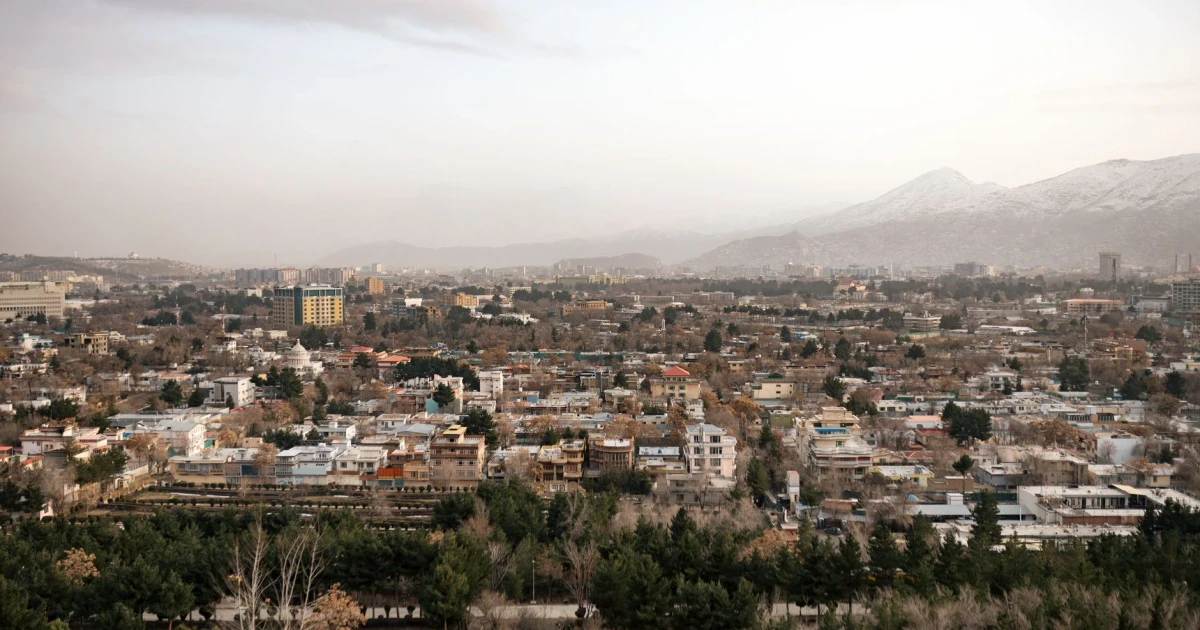
The United States can seize ground fast, but it has repeatedly struggled to turn military success into a stable political outcome. Afghanistan and Iraq both began as campaigns sold around swift victory, then became long occupations defined by insurgency, collapsing public confidence and costs measured in trillions.
Afghanistan: the longest war became a warning
The war in Afghanistan began on October 7, 2001, after the 9/11 attacks, and ended only when the last U.S. troops left on August 30, 2021. What started as a rapid effort to topple the Taliban became the United States’ longest war, even after U.S.-led forces had driven the regime from power. The Council on Foreign Relations notes that the Taliban surged back to power two decades later, a reminder that battlefield success did not settle the country’s politics.
The A-Mark Foundation’s accounting puts U.S. military deaths in Afghanistan at 2,456, and the war’s estimated cost at $2.261 trillion, not counting post-2021 veteran care or interest on borrowed money. That missing piece matters: long after combat ends, the bill shifts into veterans’ health care, disability support, and federal debt service, all of which fall on public systems rather than the battlefield.
The wider human toll reached far beyond American losses. Brown University’s Costs of War project estimates that more than 940,000 people were killed by direct post-9/11 war violence in Iraq, Afghanistan, Syria, Yemen and Pakistan between 2001 and 2023. That figure captures the regional spread of a war that was never just a military campaign in one country, but a chain of violence that moved across borders and into civilian life.
Iraq: quick control did not mean a quick war
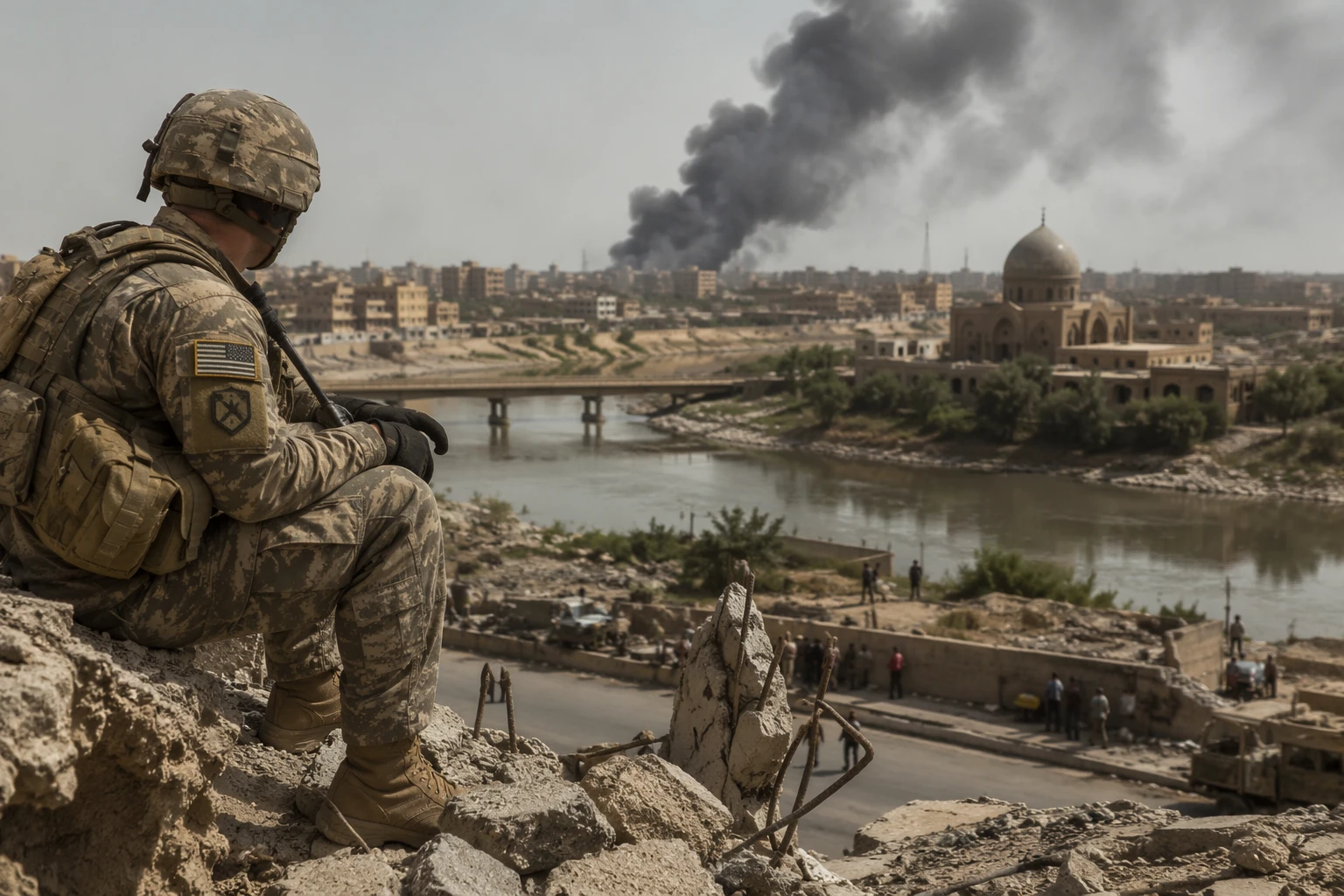
The pattern repeated in Iraq. The U.S.-led invasion began on March 19, 2003, and by April 14 all major Iraqi population centers had been brought under U.S. control, according to Congressional Research Service material. On paper, that looked like the kind of fast, decisive operation American leaders often promise. In practice, the conflict quickly moved from invasion to insurgency and then to sectarian civil war.
That shift exposed the gap between military reach and political design. Control of Baghdad and other cities did not answer who would govern, how to secure neighborhoods, or how to stop armed groups from filling the vacuum. The war has been estimated at $1.7 trillion in direct costs, with veterans’ benefits and interest driving total estimates well above $2 trillion.
Brown’s Costs of War project places the combined costs of the Iraq and Syria wars at about $2.89 trillion and estimates human losses between 550,000 and 580,000 lives. Those totals underline how an operation framed as a rapid regime change widened into years of occupation, instability, and regional spillover.
Why the quick-war promise keeps failing
The deeper problem is not battlefield capability. The United States has repeatedly shown it can defeat armies and remove governments, but it has struggled to turn those wins into durable political settlements. Wars that begin with confidence in technology and airpower often run into local politics, fragmented institutions, and the reality that occupation creates new obligations even after the initial fighting is over.
The Gulf War period shows how unresolved those obligations can remain. After Iraq’s 1990 invasion of Kuwait and the 1991 coalition war, Iraq was still intact but left under sanctions and inspections. That outcome prevented full collapse, yet it also showed that even a major coalition victory did not produce a clean political end state. The region remained unstable, and Iraq’s later wars made clear that containment is not the same thing as resolution.
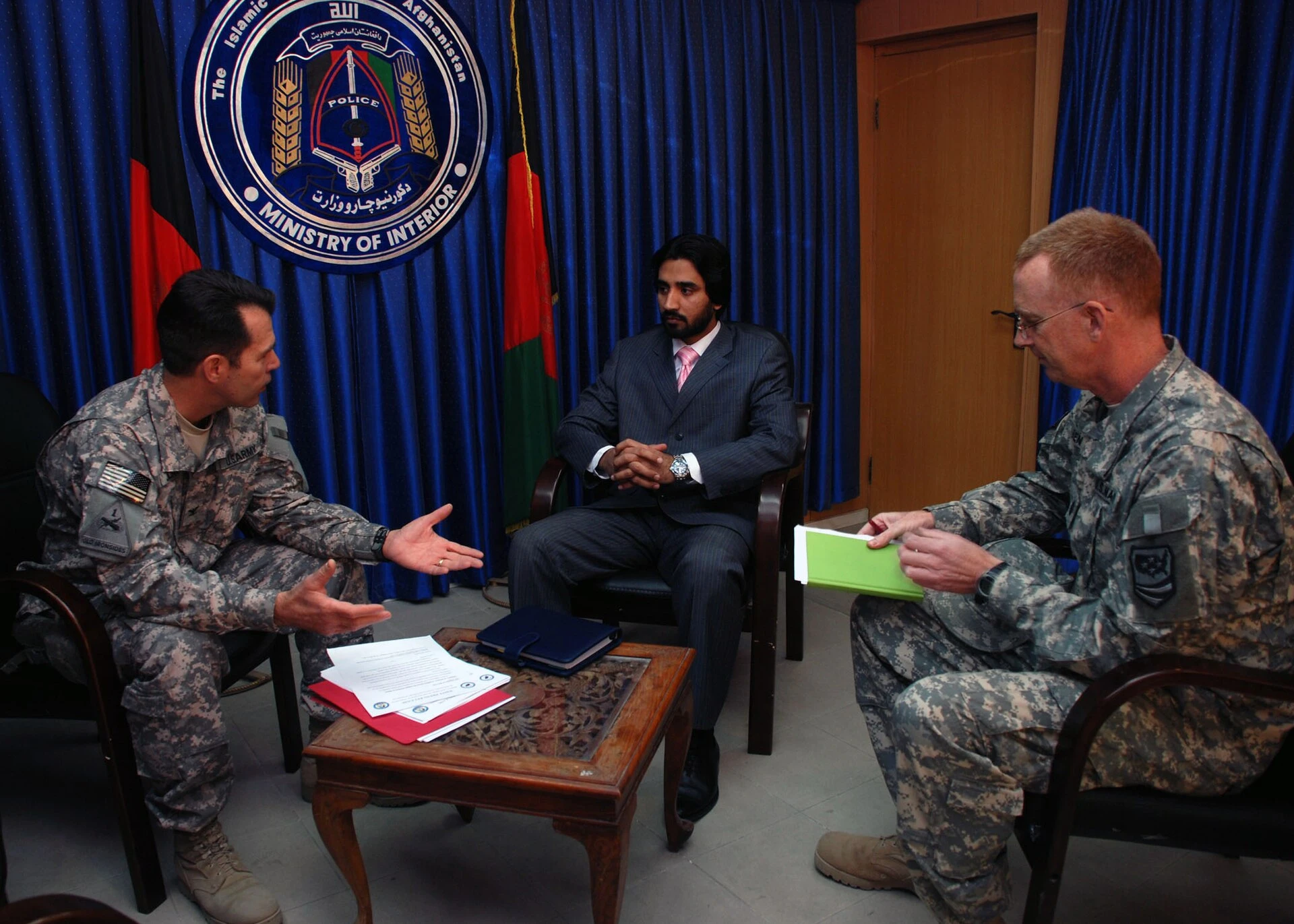
That history runs through the Middle East more broadly, where short-war rhetoric has repeatedly collided with the facts on the ground in Baghdad, Kabul, and beyond. Prolonged occupations, insurgencies, and regional instability are not side effects at the margins. They are the predictable result when leaders assume military force can solve problems that are political from the start.
Iran shows the same strategic trap
Current debates over Iran follow the same logic. The relationship between the United States and Iran stretches back to the 1953 Iranian coup d’état and hardened after the 1979 hostage crisis, which is why any confrontation is usually framed as a broad strategic challenge rather than a brief military action. That history makes easy answers especially dangerous.
Recent analysis and reporting have described shifting U.S. goals on Iran, uncertainty over how any conflict would end, and warnings that limited strikes can still expand into prolonged wars. The central question is not whether force can hit targets. It is whether leaders can define a political endpoint that does not slide into mission creep, occupation, or a wider regional conflict involving the Middle East, the Gulf region, Pakistan, or Syria.
The record from Afghanistan and Iraq is hard to escape. George W. Bush launched wars that were expected to move fast, but the deeper lesson carried into later administrations and into today’s Iran debate: U.S. power can win the opening phase, yet unrealistic goals and flawed assumptions at the outset can turn quick victory into a long and costly commitment.