Politics
US weighs ban on Chinese energy inverters over security fears
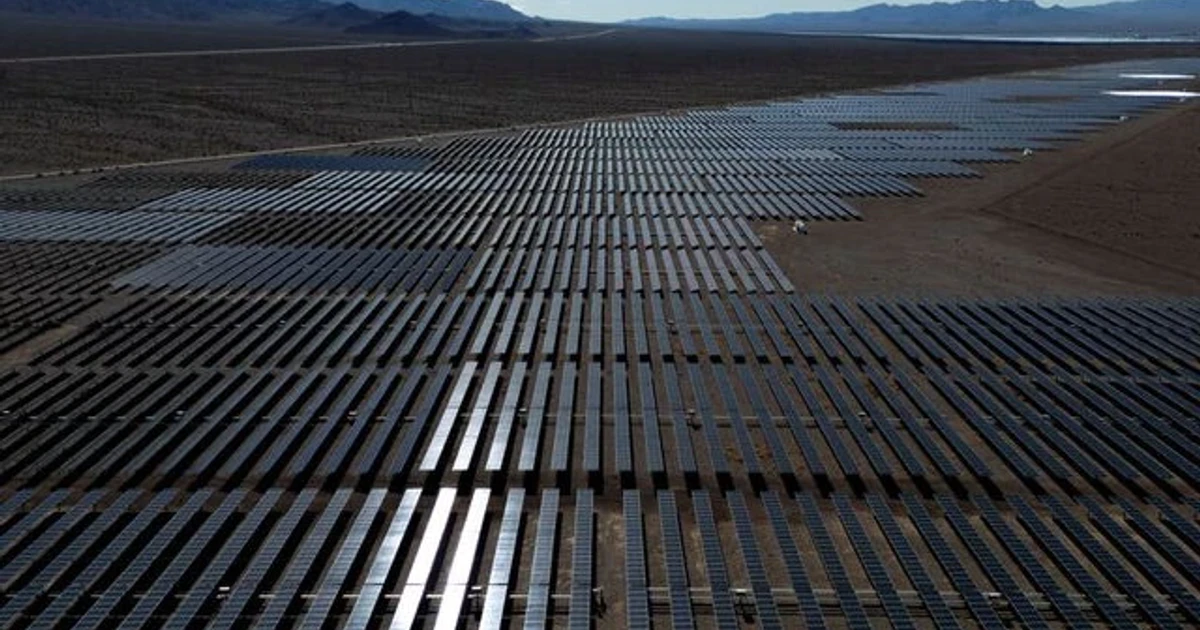
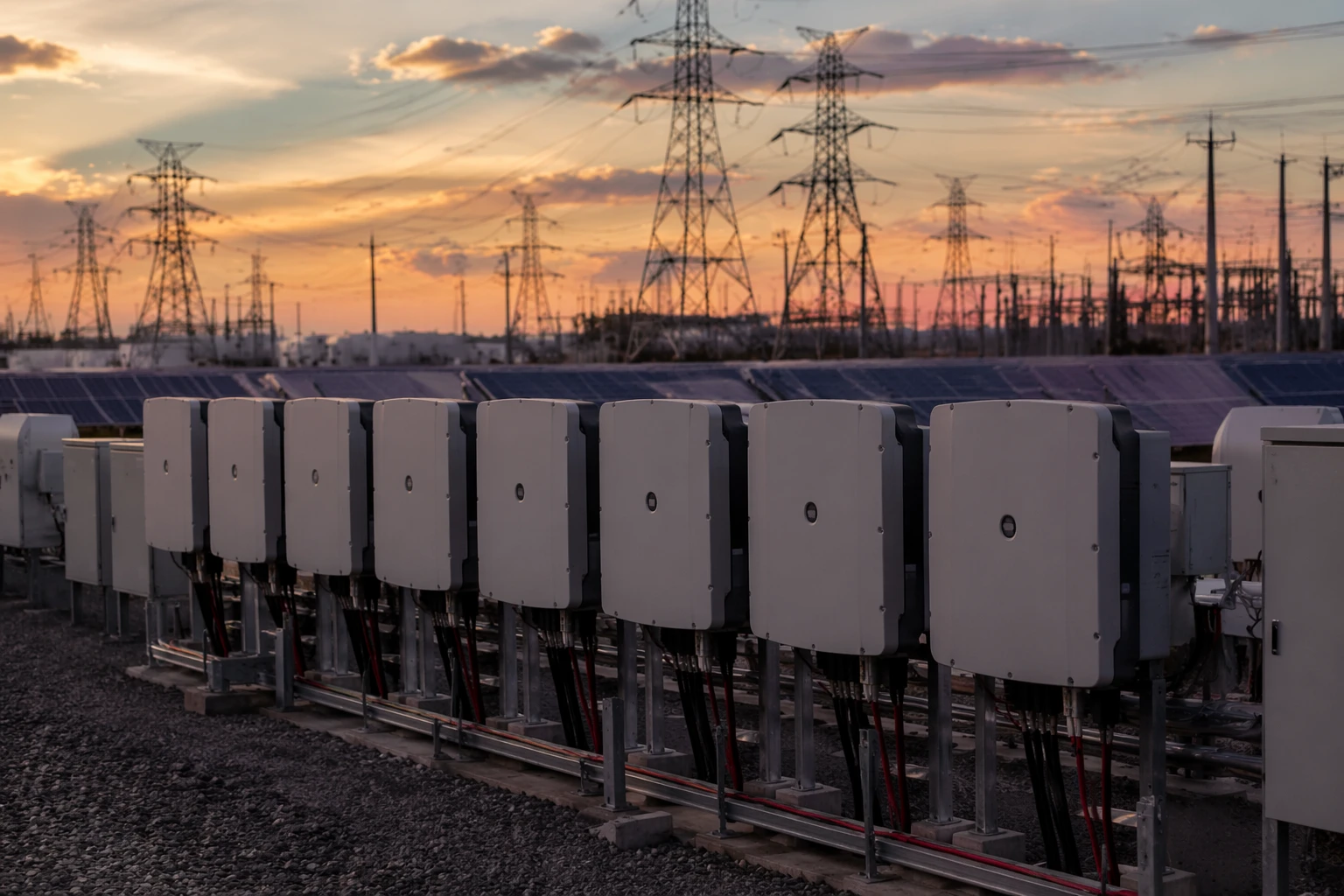
The Trump administration is drafting a ban on imports of foreign energy inverters, the devices that let solar projects and batteries connect to the electrical grid, as officials weigh whether Chinese-linked hardware could be used to disrupt power supplies. The proposal would be handled by the Federal Communications Commission and could still be revised or dropped before it is published.
The move puts a core piece of the clean-energy buildout inside a national-security fight. Inverters are not a niche component: they are the interface that allows solar generation and battery storage to work with the grid, which means any restriction could affect procurement choices, deployment schedules and the price of new projects in the United States. Developers could be pushed toward more expensive suppliers, or toward redesigning projects around different hardware, at a time when utilities are already adding more inverter-based resources.
The security case has been building for several years. The North American Electric Reliability Corporation said in its 2026 State of Reliability report that the rapid expansion of solar, wind and battery energy storage continued in 2025. Its 2025 reliability work listed cybersecurity, supply chain and critical-infrastructure interdependencies among the major grid risks, and its 2023 inverter-based resource report found systemic deficiencies in how those resources performed during grid events. Those findings have helped move inverter security from a technical issue to a reliability concern for grid operators.
The policy push also fits a wider federal agenda on grid protection. President Donald Trump signed Executive Order 14262 on April 8, 2025, directing action on electric-grid reliability and security. The Department of Energy later said its July 2025 grid report was designed to assess current resource adequacy and the strain from plant retirements and rising electricity demand. The inverter draft is the latest sign that the administration is folding equipment security, supply chain risk and grid reliability into one policy track.
Officials are also looking abroad for precedent. The European Commission has moved to restrict public financing for solar, wind and storage projects that use inverters from high-risk countries, including China, and some European reporting has said the limits could bite into projects backed by the European Investment Bank and the European Investment Fund. Chinese suppliers sit near the top of the global inverter market, which means any broad restriction would not only be a security measure but a market intervention.
China has pushed back. The Chinese Embassy in Washington criticized the effort as an improper stretching of national security concepts, while Senator Tom Cotton backed efforts to block products he said could threaten the grid. The debate now turns on whether the government is responding to a concrete hardware risk, including previously reported undocumented communication devices found in some Chinese solar inverters, or using inverter policy as another front in a broader U.S.-China decoupling drive.
Sources
- [1]usnews.com
- [2]ess-news.com
- [3]rechargenews.com
- [4]nerc.com
- [5]energy.gov