US News
US Weighs Reducing Role in Iran Conflict, Urges Allies to Secure Hormuz
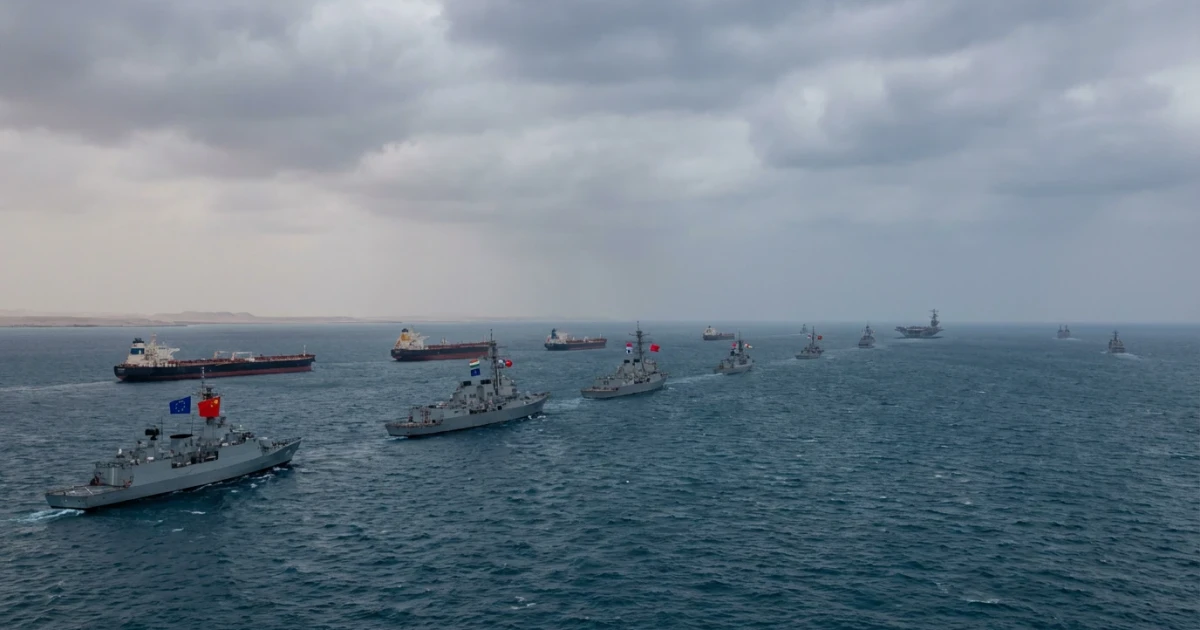
President Donald Trump announced that the United States is considering "winding down" its involvement in the ongoing conflict with Iran, while urging other nations to take greater responsibility for the security of the Strait of Hormuz, a critical maritime chokepoint for global energy supplies. The remarks, first reported by BBC, signal a potential shift in US military posture in the region and raise questions about the future security of vital shipping lanes.
The US Role in the Iran Conflict
The United States has been a leading force in the military conflict with Iran, engaging in direct and indirect operations aimed at curbing Iranian military capabilities and influence. With the conflict stretching resources and drawing international scrutiny, the Trump administration is reportedly evaluating ways to scale back US involvement. BBC highlighted that President Trump is considering options to reduce American military commitments without immediately reopening the Strait of Hormuz to normal commercial traffic.
Strategic Importance of the Strait of Hormuz
The Strait of Hormuz is one of the world’s most critical maritime passages, linking the Persian Gulf with global energy markets. According to a recent analysis by the US Naval Institute, nearly a fifth of all global oil consumption passes through the strait, making its security a matter of international economic stability. Disruptions to shipping in the region have historically led to spikes in oil prices and concerns over energy access worldwide.
- The strait sees the transit of more than 20,000 oil and LNG tankers annually
- Iran remains a key exporter of crude oil, with much of its output passing through Hormuz
- Security in the strait is overseen by international coalitions, but the US Navy has historically played a leading role
Calls for International Burden-Sharing
President Trump’s suggestion that "other nations must guard Hormuz" reflects a longstanding US desire for allies and regional partners to assume more responsibility for maritime security in the Gulf. The International Maritime Organization has encouraged multilateral efforts to secure global shipping lanes, but the scale of resources and coordination required has often left the US as the main guarantor.
While the White House has not outlined a detailed timetable or operational plan for winding down the US presence, the message underscores growing American fatigue with extended military commitments in the Middle East. Some experts note that a reduced US role could create a security vacuum, potentially increasing risks for commercial shipping and energy markets.
Implications for Global Energy and Security
The potential reduction of US forces in the region raises several concerns for international stakeholders:
- Energy markets: Any instability in the Strait of Hormuz could lead to volatility in oil prices and supply disruptions, as nearly a third of all seaborne traded oil moves through the passage
- Maritime security: Increased risk of attacks or blockades could endanger global shipping and trade flows
- Diplomatic challenges: US allies may face pressure to increase their naval presence, leading to complex coordination efforts and potential geopolitical friction
Looking Ahead
As the US weighs its next steps in the Iran war, the question of who will safeguard the Strait of Hormuz remains unresolved. The coming weeks are likely to see intensified diplomatic efforts as the US seeks buy-in from allied nations and regional powers. The evolving security situation in the strait will be closely watched by governments, energy markets, and shipping operators worldwide.