US News
U.S. will charge $750 for expedited tourist and business visa interviews
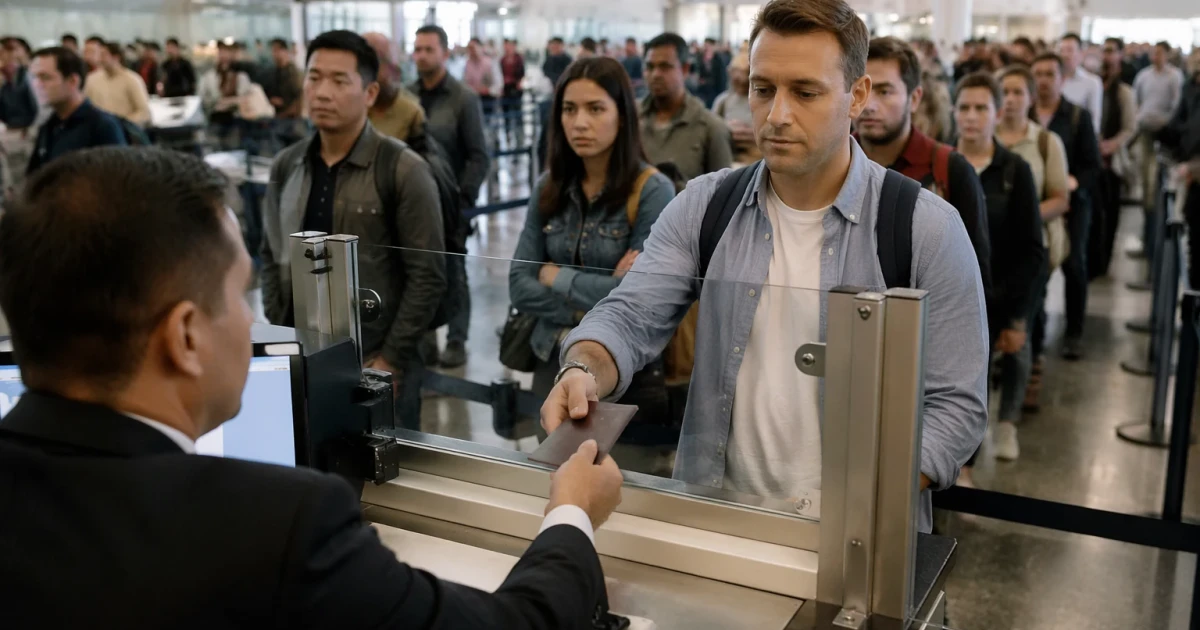
The State Department has put a $750 price tag on speed for B-1 and B-2 visa interviews, adding a premium layer to a system already strained by tighter vetting and scarce appointment slots. The extra fee comes on top of the standard $185 nonimmigrant visa charge and buys an interview within ten business days of payment, not a visa.
That distinction matters. The new option does not change the underlying admissibility review, which still happens when an applicant sits down with a consular officer. It simply moves some travelers ahead in the queue at limited posts, in limited quantities, creating a two-tier system in which business travelers, conference attendees and wealthier tourists can pay for faster access while everyone else waits for one of the system’s finite interview slots.
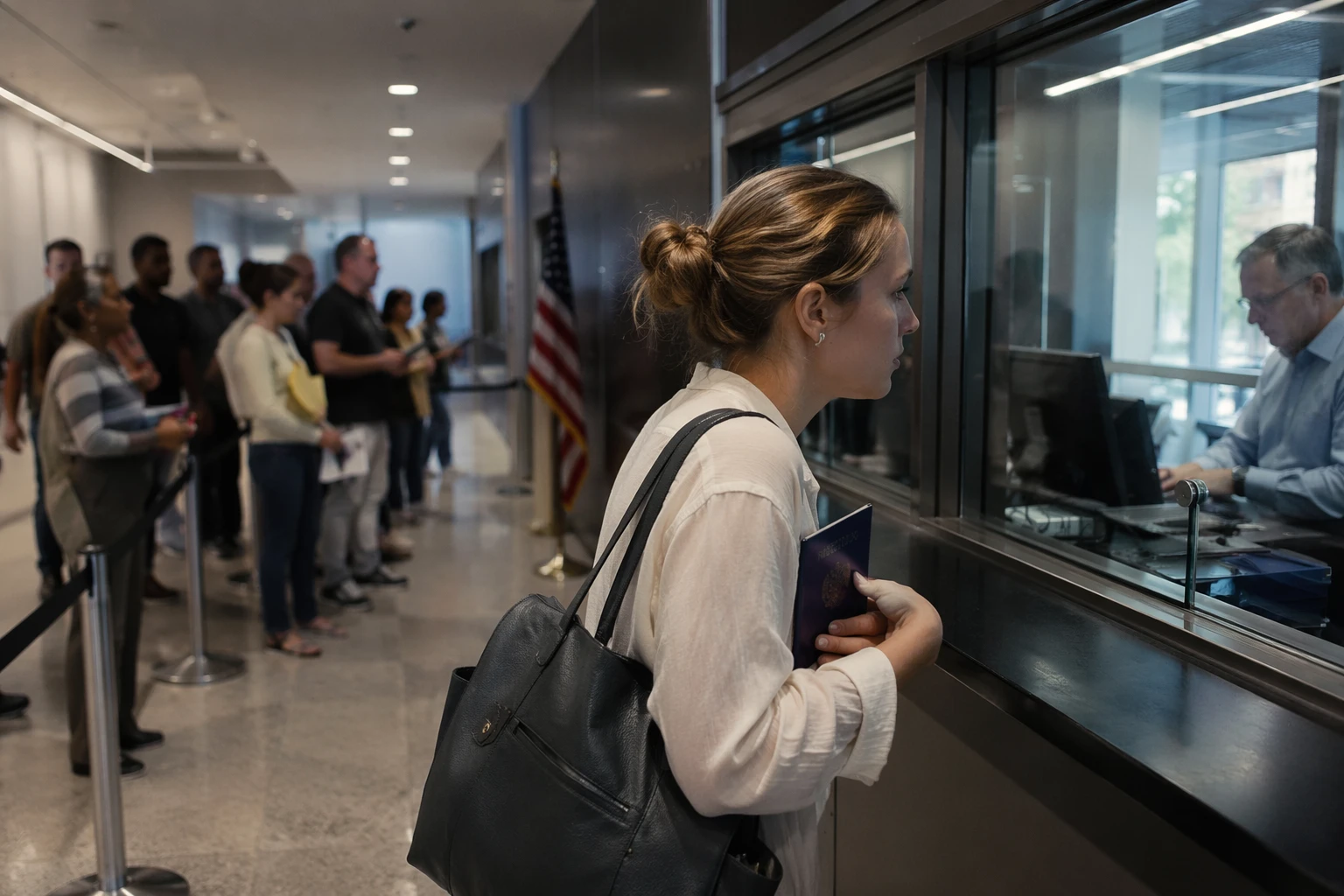
The rule, published in the Federal Register, is effective from July 1 through December 31, 2026, and the State Department said written comments are due by July 9. It says the participating embassies and consulates will be listed on Travel.State.Gov, but the department has not yet announced which posts will take part. The service is optional, yet its practical effect could be large in countries where visa waits already stretch for months.
The timing is especially consequential because the State Department has already narrowed the path for many applicants. Since September 6, 2025, nonimmigrant visa applicants generally have been told to schedule interviews in the country of residence or nationality, a change that can make scarce appointment calendars even more valuable. At the same time, the department has expanded screening and vetting in 2026, including public social-media review requirements for a wider set of categories, and it has updated visa-bond rules for some applicants from countries subject to those controls.
The broader backdrop is one of tighter access and stronger demand. The department says it issued more nonimmigrant visas worldwide in 2023 than in any year since 2015, underscoring how much travel still depends on a functioning consular pipeline. Visitor visas, including B-1 for temporary business travel and B-2 for tourism, remain the main route for travelers who do not qualify under the Visa Waiver Program.
For U.S. companies, the new fee could shave days off last-minute trips and help salvage meetings, trade shows and client visits. For everyone else, the premium fast lane is likely to feel like another sign that the United States is turning visa processing into a paid privilege, not a public queue.