World
U.S. Withdrawal from WHO Marks Historic Shift in Global Health Policy
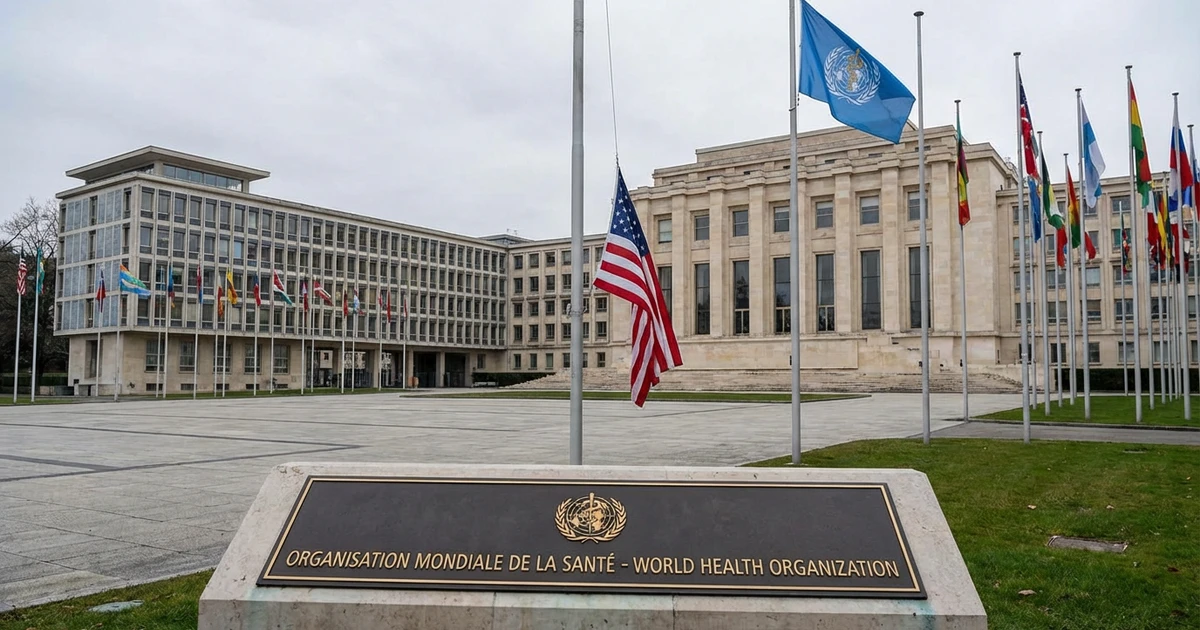
The United States has formally withdrawn from the World Health Organization (WHO), marking a historic departure from the international body charged with coordinating global health responses. The move, finalized this week, signals a significant shift in U.S. global health policy, with wide-ranging implications for pandemic preparedness, disease surveillance, and international cooperation.
The Decision to Leave
The U.S. government’s withdrawal from the WHO became official following a period of notification and procedural steps, as reported by both The New York Times and The Hill. This decision follows a period of heightened scrutiny and debate over the nation’s role in global health governance, especially in the wake of recent public health crises.
Background and Reasons for Withdrawal
While both sources confirm the formal exit, neither provides detailed commentary from U.S. officials or WHO representatives in their summaries. However, the withdrawal has been widely discussed in policy circles as a response to concerns about the effectiveness, transparency, and governance of the WHO. The United States has historically been one of the largest contributors to the organization, providing funding and expertise on a range of health issues.
Implications for Global Health
- Funding Impact: The U.S. contributed approximately 15% of the WHO’s total budget in recent years, so its departure may significantly affect the organization’s resources for combating infectious diseases, leading health initiatives, and supporting vulnerable countries.
- Pandemic Preparedness: The exit could complicate international coordination on future pandemics, as the WHO plays a central role in global surveillance and response efforts.
- Research and Data Sharing: The U.S. has been a major partner in sharing data, research, and medical expertise. Its absence may slow the exchange of vital information during health emergencies.
Reactions and Next Steps
Though the official news reports do not include direct quotes from government or WHO officials, the international community is expected to closely monitor the consequences of this decision. The move could prompt a reevaluation of the U.S.’s future engagement with other multilateral health initiatives and institutions.
Looking Ahead
As the world continues to face evolving health threats, the U.S. withdrawal from the WHO raises important questions about the effectiveness of global health cooperation without one of its leading members. Observers will be watching for additional policy announcements and the potential for renewed engagement or alternative partnerships in the coming months.
For further details on the World Health Organization’s role and the official statement, visit the World Health Organization website. Up-to-date information on U.S. global health policy is available on the U.S. Department of State website.
Sources
- [1]The New York Times
- [2]The Hill