Sports
US World Cup fans brace for dangerous heat dome across host cities
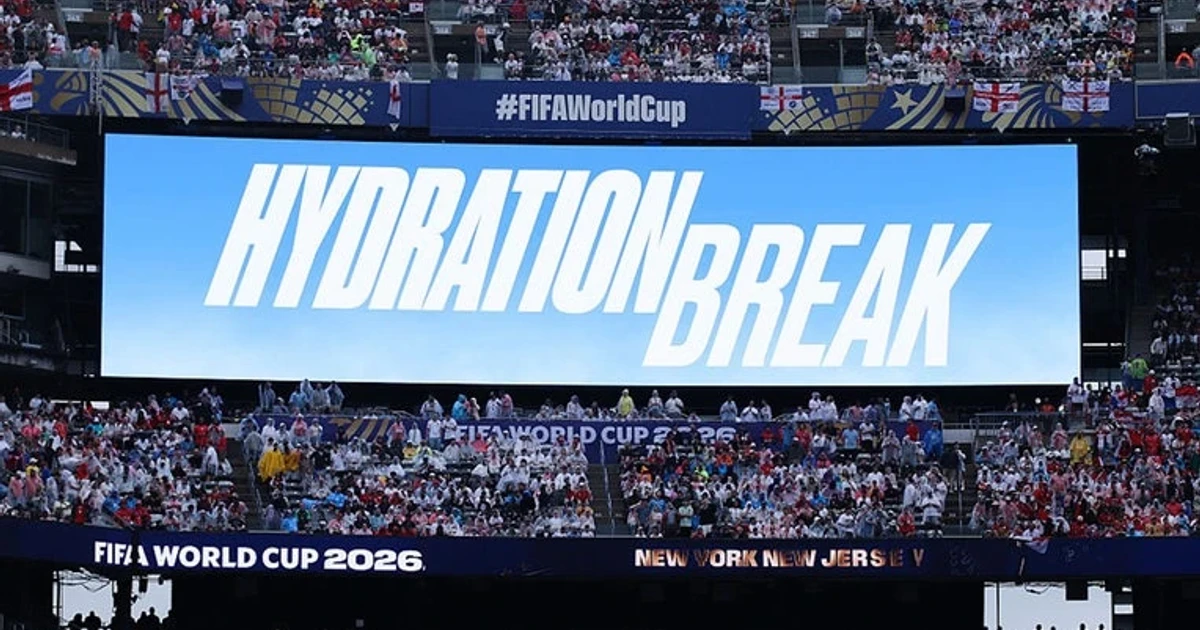
Forecasts warned that heat index values could climb to 105 to 115 degrees Fahrenheit across parts of the Midwest and East Coast as the World Cup moved into its knockout rounds, with Boston, Philadelphia and Kansas City among the open-air host cities facing the most punishing conditions.
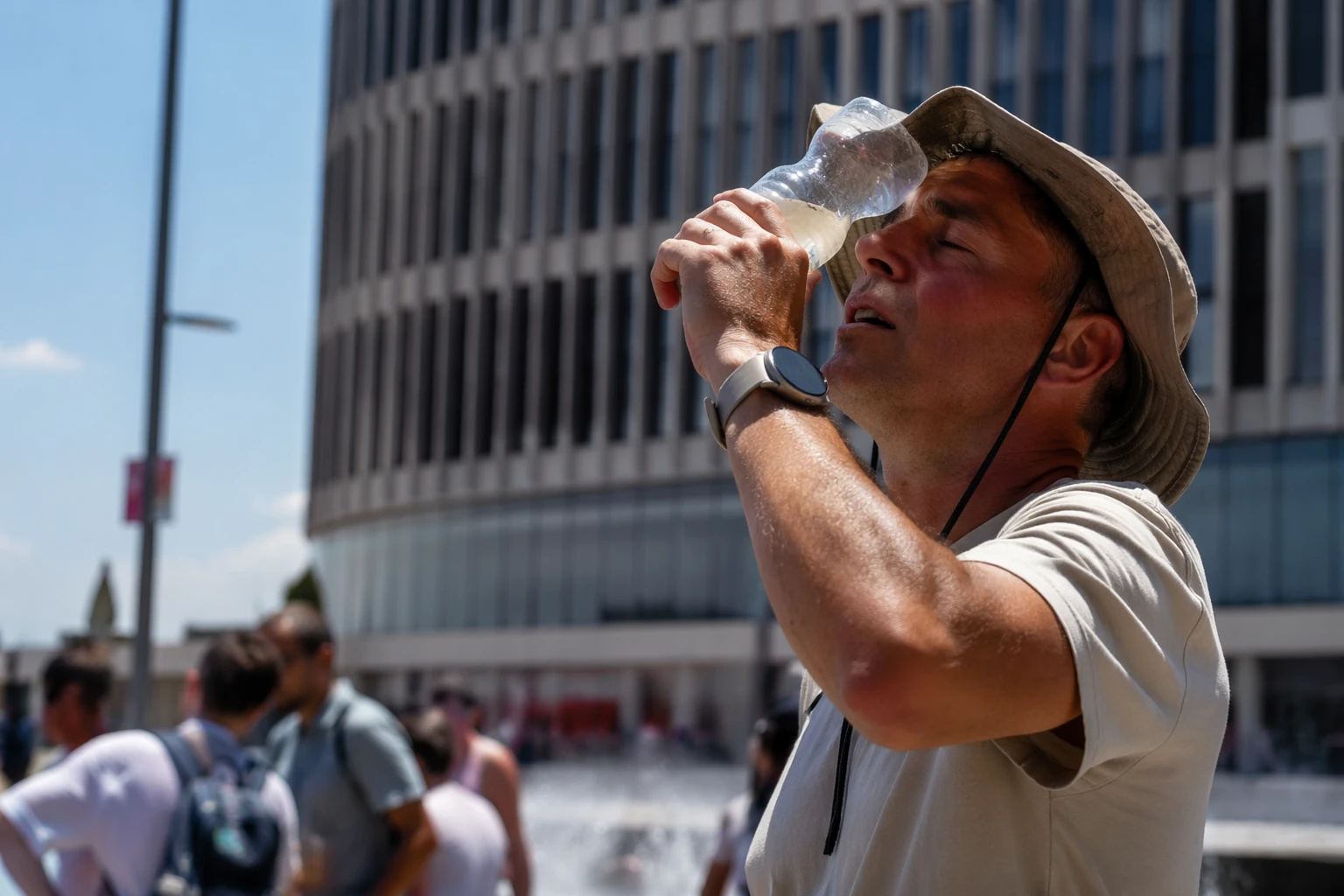
Fans on the US east coast were already bracing for the kind of weather that can turn a matchday into a public-health problem. Meteorologists described the pattern as a heat dome, a large area of high pressure that traps heat and humidity over the same region. NOAA says that setup can linger for days to weeks because of persistent high pressure and a meandering jet stream.
The National Weather Service says the heat index measures how hot it feels when humidity is added to air temperature, which is why a 100-degree day can feel far worse when the air turns heavy with moisture. That matters beyond the stands. The greatest danger for spectators, volunteers and workers may be outside stadiums, in fan zones, transit routes, car parks and outdoor celebrations, where people can sit in the heat for hours before they reach shade, water or medical help.
FIFA has already made three-minute hydration breaks mandatory in each half of every 2026 World Cup match, regardless of weather conditions. The move was intended to protect player welfare in a tournament that is unlike any previous men’s World Cup: 48 teams, 104 fixtures and three host countries, the United States, Canada and Mexico, all packed into the schedule from June 11 to July 19, 2026.
The heat has turned that planning into a broader test of preparedness. For players, the pauses built into every half offer some protection. For the people moving through city streets, waiting in security lines, riding transit or gathering outside the stadium bowl, the safeguards are less visible and the exposure lasts longer. In cities where summer temperatures are already rising under a heat dome, the question is no longer whether matches can be played, but whether the event infrastructure around them was built for this kind of heat.
Sources
- [1]bbc.co.uk
- [2]bbc.com
- [3]inside.fifa.com
- [4]weather.gov
- [5]nesdis.noaa.gov
- [6]fifa.com
- [7]usnews.com
- [8]nbcnewyork.com
- [9]thenationalherald.com