Sports
USA win World Cup opener as VAR fixes mistaken identity booking
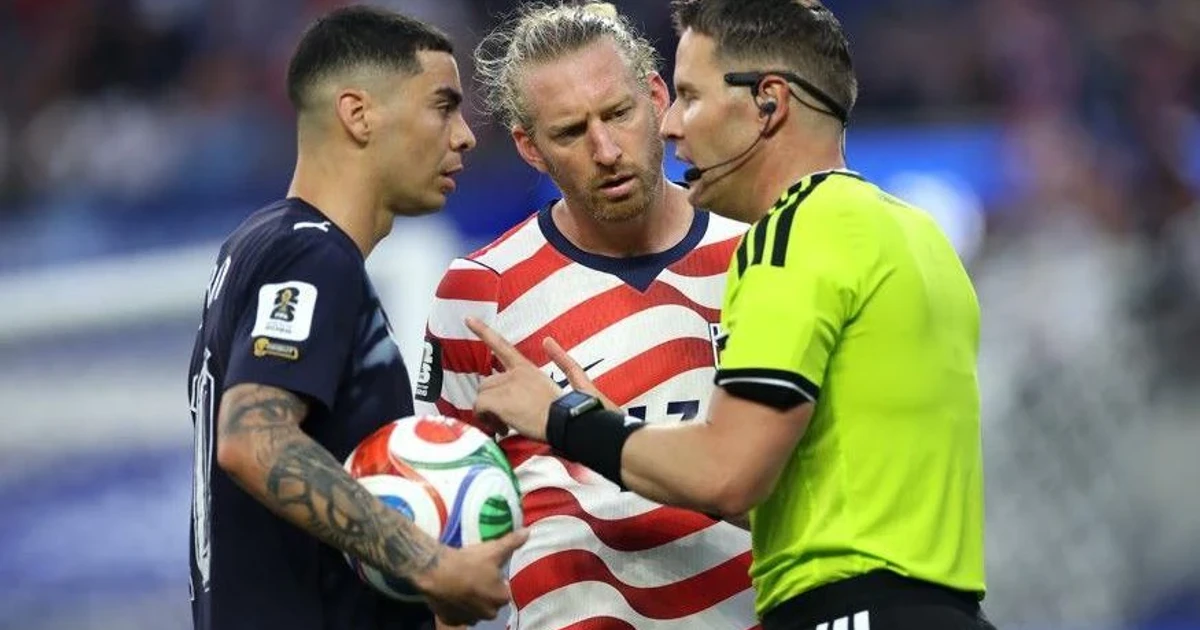
The United States opened its World Cup campaign with a win over Paraguay, but the loudest moment came from a card, not a goal. In Friday’s match at the 2026 FIFA World Cup, the referee initially booked the wrong player before VAR intervened to correct a mistaken-identity call.
The sequence played out in full view of the crowd, with the incident shown on the stadium screen and fans left trying to work out how the wrong player had been punished. The correction mattered because the new video protocol for 2026 specifically allows officials to intervene when a player is booked or sent off for another player’s foul.
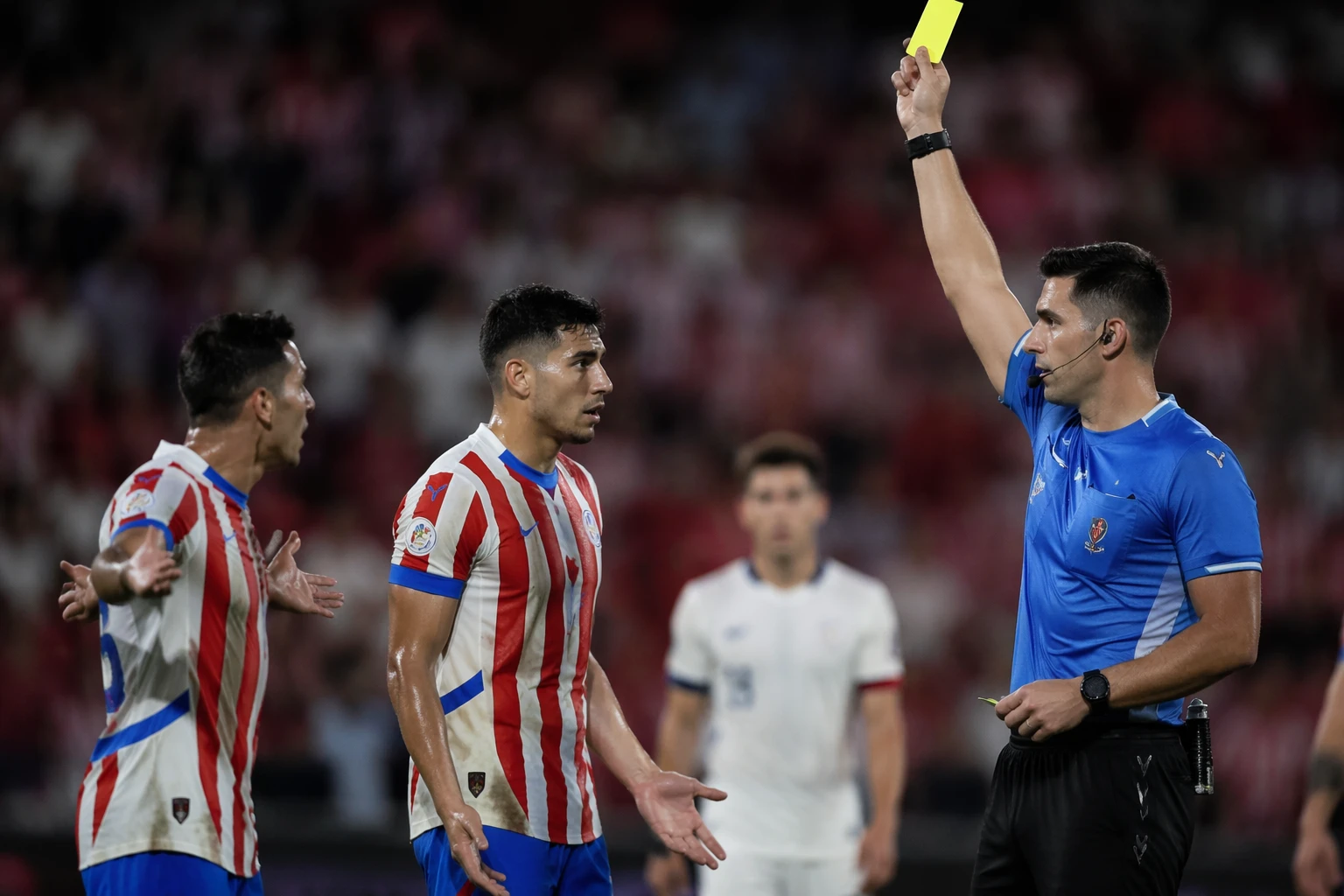
That made the USA-Paraguay match an immediate test of one of FIFA’s most important rule changes for the tournament. FIFA and the International Football Association Board expanded VAR’s scope for 2026 to include mistaken identity and clearly incorrect second-yellow dismissals, two situations that can shape a match as sharply as a goal. Under the revised process, a replay official is assigned before each game and watches all reviewable decisions from the field; if a clear and obvious error is detected, the on-field referee is alerted.
The point of the change is simple: a player should not be punished for an offence committed by someone else, and a second yellow should not become a red if the wrong player is identified. In a tournament where officiating technology is under a brighter spotlight than ever, the correction in the United States’ opener offered a visible example of VAR doing exactly what FIFA intended, even if the moment itself looked chaotic.
That pressure is amplified by the scale of the competition. The 2026 World Cup is the first to feature 48 teams and 104 fixtures across Canada, Mexico and the United States, running from June 11 to July 19, 2026. FIFA said it selected 52 referees, 88 assistant referees and 30 video match officials for the event, underscoring how central the review system has become to the sport’s biggest stage.
For supporters, the scene was confusing in real time. For the tournament, it was a reminder that VAR is no longer only about catching obvious fouls and offside calls; it is now also being asked to fix the kind of mistake that once could have changed a World Cup match for the wrong reason.
Sources
- [1]bbc.com
- [2]fifa.com
- [3]inside.fifa.com
- [4]sports.yahoo.com
- [5]espn.com