Health
USC researchers develop renewable immune cells to attack cancer
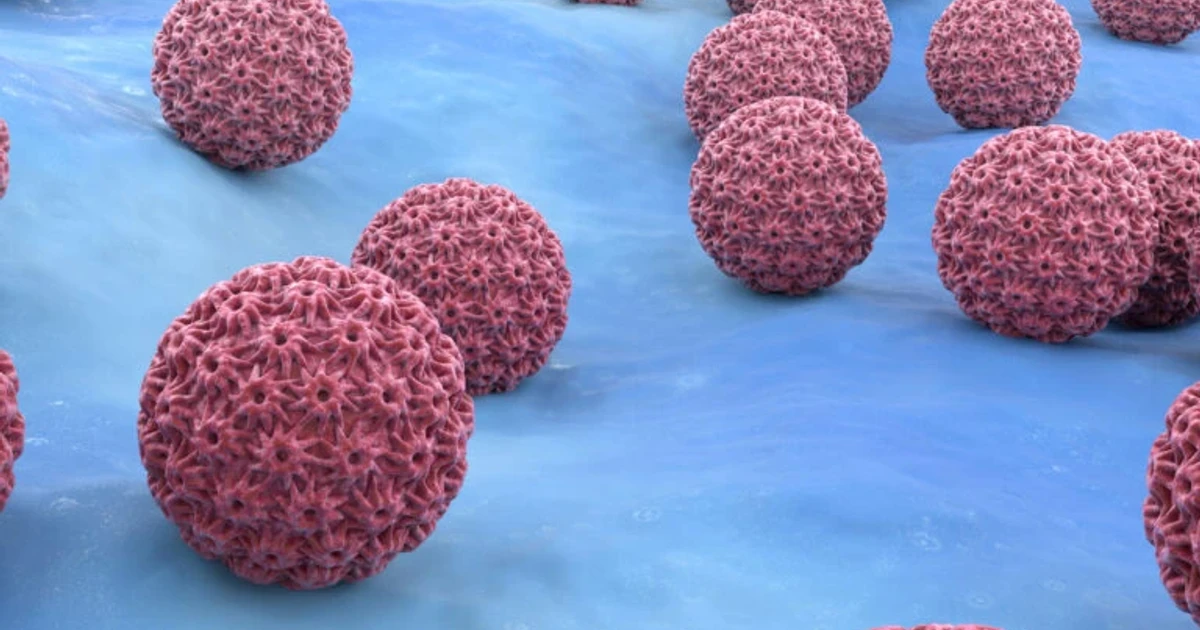
USC researchers have built a platform around granulocyte-monocyte progenitors, or GMPs, that could let immune-cell precursors multiply far beyond their usual limits.
The work appeared in Cell. It centers on the precursor cells that can become macrophages and other immune cells. The cells were extensively expanded in the laboratory and genetically engineered both to target specific cancer markers and to stimulate broader immune responses. GMPs can self-renew under the right conditions, a trait usually associated with stem cells rather than progenitor cells.
Mature macrophages are attractive for solid tumors but notoriously hard to use as therapies. They naturally infiltrate tumors and engulf cancer cells, yet they are difficult to expand in large numbers outside the body, hard to genetically engineer and vulnerable to damage during freezing and storage. T-cell therapies have made their biggest clinical gains in blood cancers, leaving solid tumors a stubborn manufacturing and delivery problem. A renewable source of macrophage-lineage cells could help close that gap if the biology holds up.
Animal studies found the engineered cells fought tumors and restored immune function, and the early testing included breast-cancer models. Engineered macrophages were designed to selectively recognize, engulf and destroy breast cancer cells. The current evidence remains preclinical, with laboratory expansion and animal work far ahead of any treatment for people.
In 2017, Qi-Long Ying and Rong Lu were working on an “ever-renewing source of immune cells” through a Broad Innovation Award project that received $100,000 in research funding and $20,000 in additional services from the Eli and Edythe Broad Foundation. Ying, now the corresponding author and a professor at the Keck School of Medicine of USC in Los Angeles, has spent years pursuing whether progenitor cells can be turned into a renewable therapeutic supply. Before this can reach patients, researchers still have to prove safety, confirm tumor targeting, show scalability and establish a timeline for human trials.
Sources
- [1]sciencedaily.com
- [2]stemcell.keck.usc.edu
- [3]cell.com
- [4]hscnews.usc.edu
- [5]eurekalert.org