US News
USDA fast-tracks screwworm drugs as Texas, New Mexico cases spread
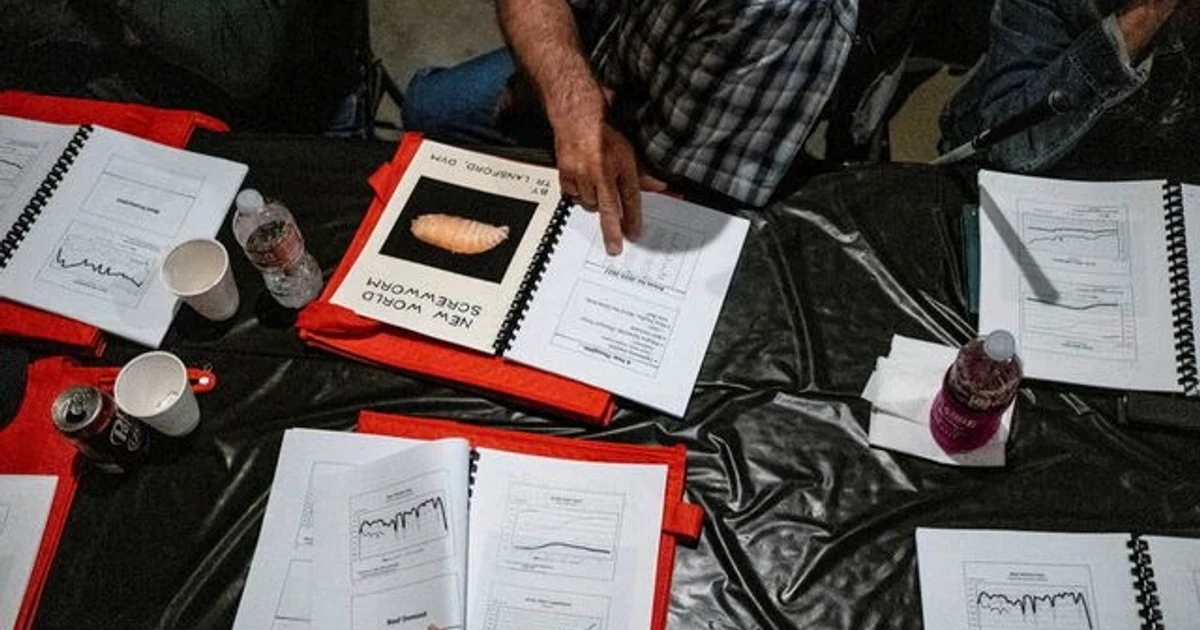
A 3-week-old calf in Zavala County and a dog in Lea County have turned New World screwworm from a distant biosecurity worry into a real-time test of whether months of federal planning can hold. USDA has confirmed six detections in Texas and New Mexico, and it is now fast-tracking treatments, building a stockpile in Texas and moving personnel into the affected zone as the parasite spreads.
The insect is small, but the stakes are not. New World screwworm larvae feed on living tissue in warm-blooded animals, and USDA says the pest was eradicated from the United States in 1966 after one of American agriculture’s great success stories. The Centers for Disease Control and Prevention says the outbreak has moved northward through Central America and Mexico since 2023, reviving fears that the parasite could again threaten cattle, goats, pets and, in rare cases, people. USDA says no locally acquired human infestations have been reported in the United States in the current outbreak.
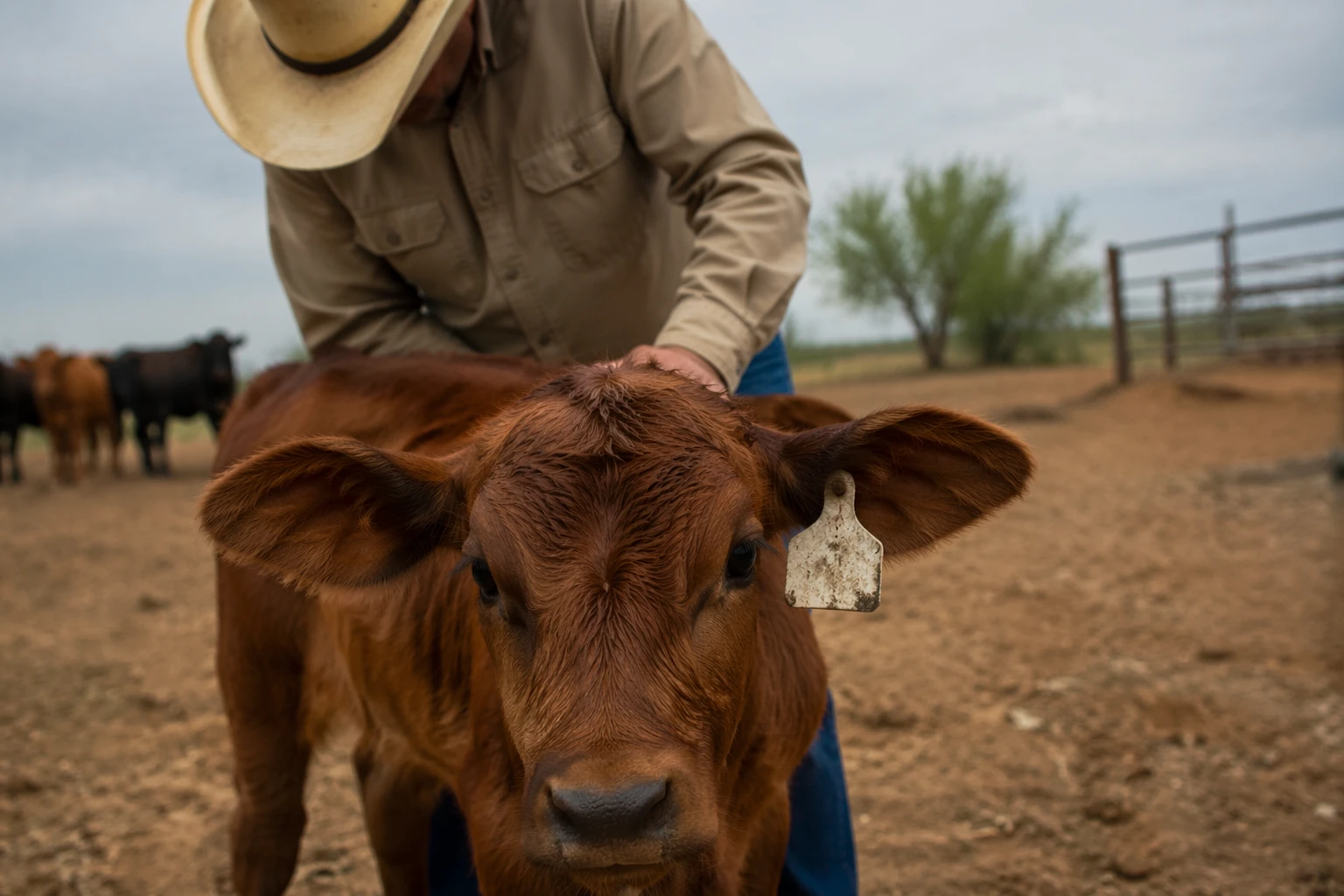
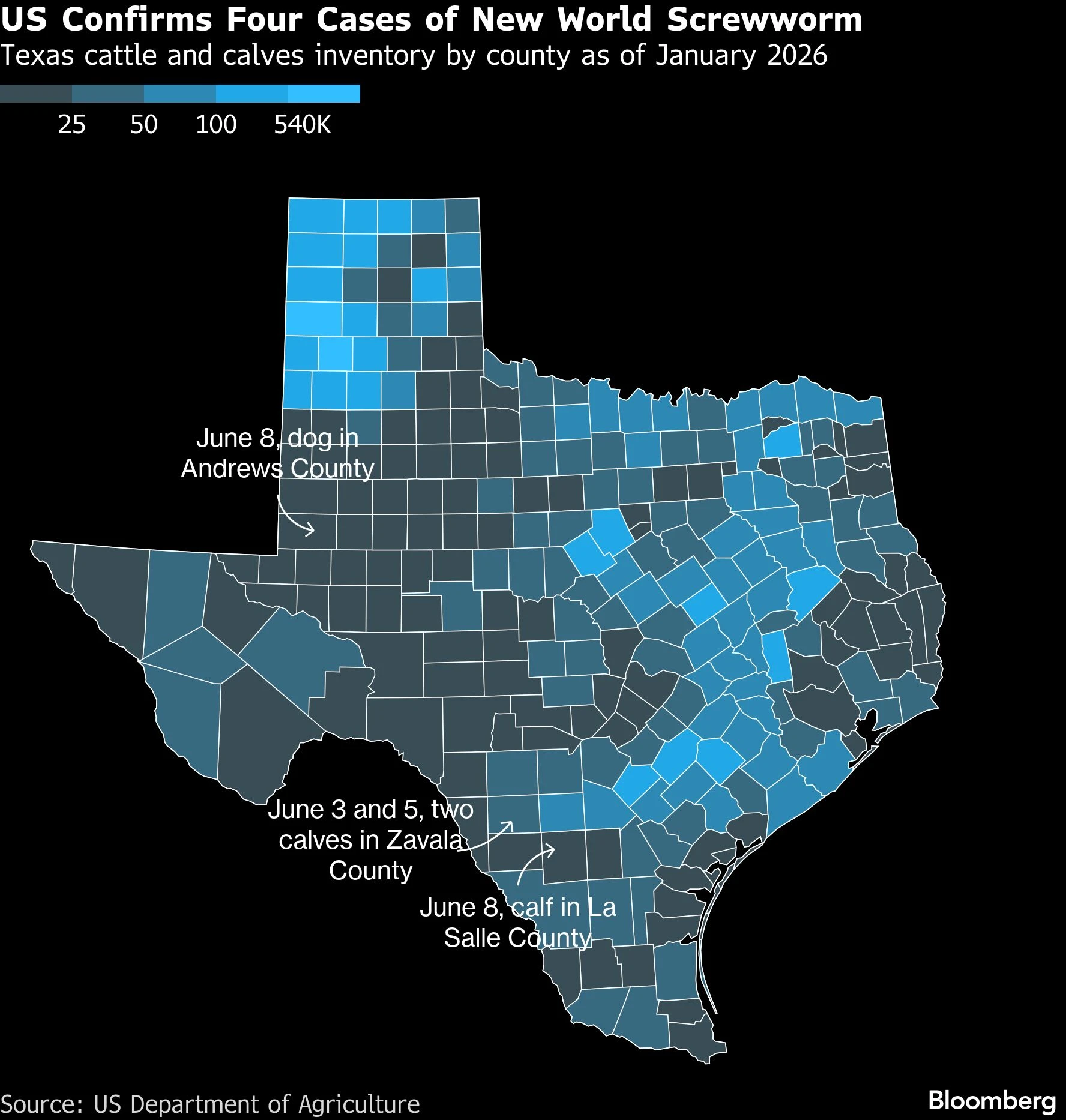
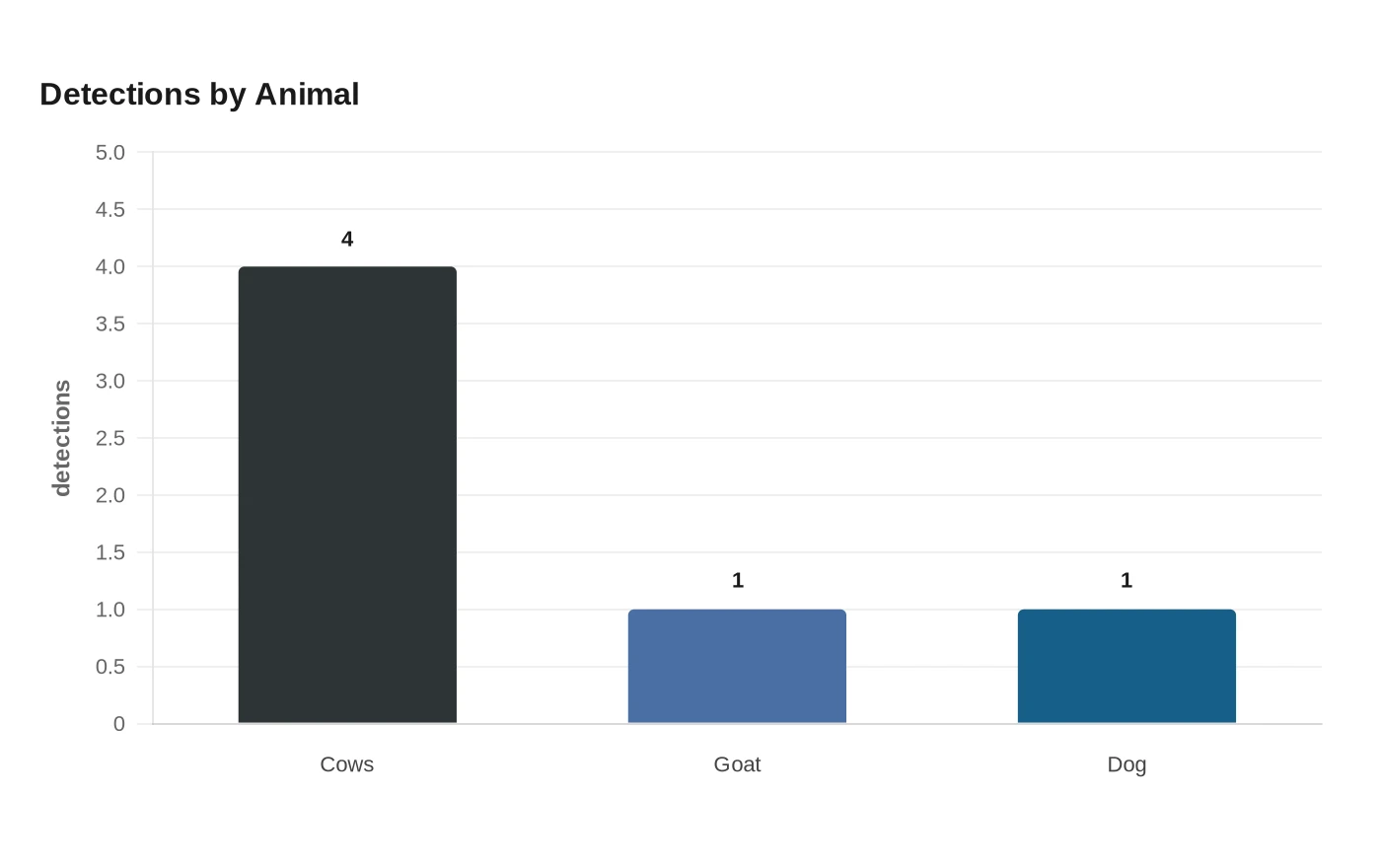
The first U.S. animal case in the current outbreak was confirmed on June 3, 2026, in the calf in Zavala County, with larvae found in the animal’s umbilical area. USDA later confirmed additional Texas cases and the first New Mexico case, including the dog in Lea County. By June 9, USDA’s current-status page listed six U.S. detections affecting four cows, one goat and one dog, and said maps within 400 miles of Mexico detections are updated Tuesdays and Thursdays at 5:00 p.m. ET.
Agriculture Secretary Brooke L. Rollins said in Kerrville that USDA has been preparing since early last year with animal health companies, state livestock officials, farm groups and other federal agencies, and she told the Senate Agriculture Committee on June 10 that more than 100 USDA staff are working full time on screwworm. She also said the department will distribute $100 million in funding earlier than expected for new technologies to fight the pest. Even so, the agency is operating with 25% fewer animal health experts than it had at the start of Trump’s second term after hundreds of employees took financial incentives tied to the administration’s effort to shrink the federal workforce.
Texas officials say federal and state partners are now carrying out animal and fly surveillance, epidemiological investigations and response protocols in the infested zone. USDA says sterile fly production and dispersal remain central to eradication, and it is investing in facilities in the United States and Mexico to rebuild that capacity. For cattle producers already squeezed by drought and high prices, the outbreak is a warning that a once-defeated parasite can still disrupt beef supplies, strain rural economies and expose how quickly a food-price problem can become a national policy crisis.
Sources
- [1]usnews.com
- [2]aphis.usda.gov
- [3]cdc.gov
- [4]nal.usda.gov
- [5]congress.gov
- [6]tahc.texas.gov
- [7]agriculture.senate.gov