World
USGS warns Venezuela quake doublet could be deadlier than 1900 disaster
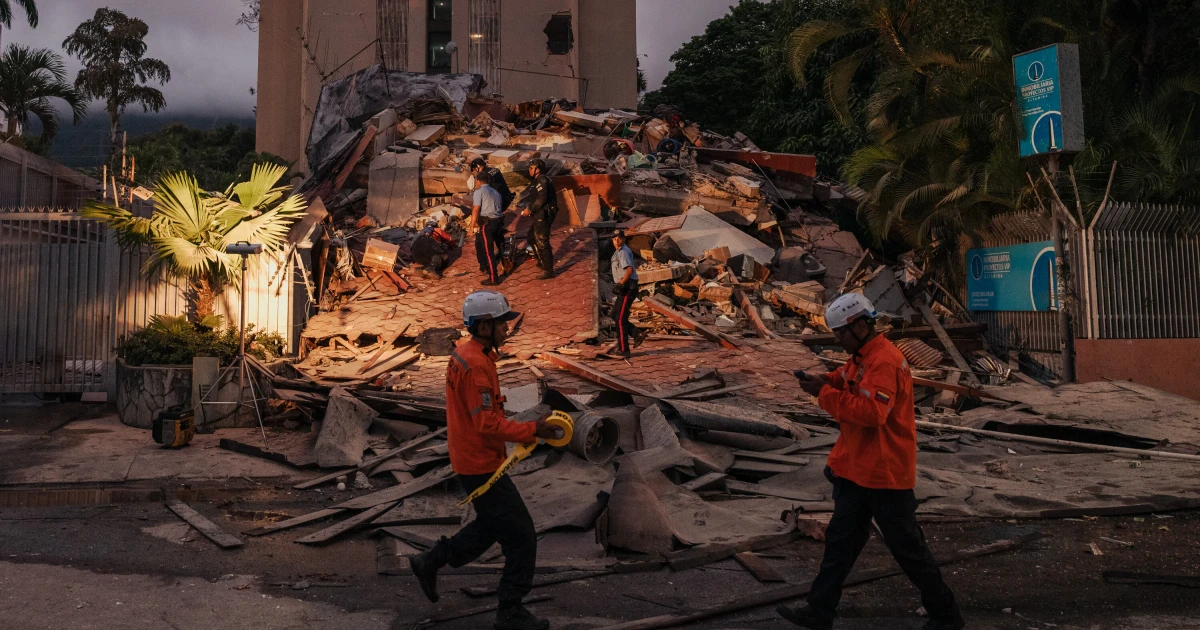
A shallow magnitude 7.2 quake struck west of Morón, Venezuela, on June 24, followed less than a minute later by a magnitude 7.5 mainshock about 16 kilometers southwest of the city at a depth of roughly 10 kilometers. High casualties and widespread damage were probable, and the risk is sharpened by a country in which about 80% of the population lives in active seismic zones, the U.S. Geological Survey said. The 1900 San Narciso earthquake is commonly estimated at magnitude 7.6 to 7.7.
Damage spread quickly through Caracas and nearby states. Maiquetía International Airport closed, classes were canceled, buildings collapsed in the capital, and some neighborhoods lost power and cellphone service. Acting President Delcy Rodríguez declared a state of emergency, while rescue teams, ambulances and shelter preparations were activated and hospitals began receiving injured people. The National Society and the IFRC joined a coordination meeting with the Ministry of Disaster Risk Management, and the Colombian Red Cross began mobilizing search and rescue teams.
The quake sequence also triggered tsunami advisories across parts of the Caribbean, including Puerto Rico and the U.S. Virgin Islands, before those alerts were later canceled. The U.S. Geological Survey reported more than 20 aftershocks in the hours after the shaking, and significant aftershocks were expected, adding danger for residents and crews working around damaged structures. The U.S. was in touch with Venezuelan authorities and mobilizing assistance as the first day of response unfolded.
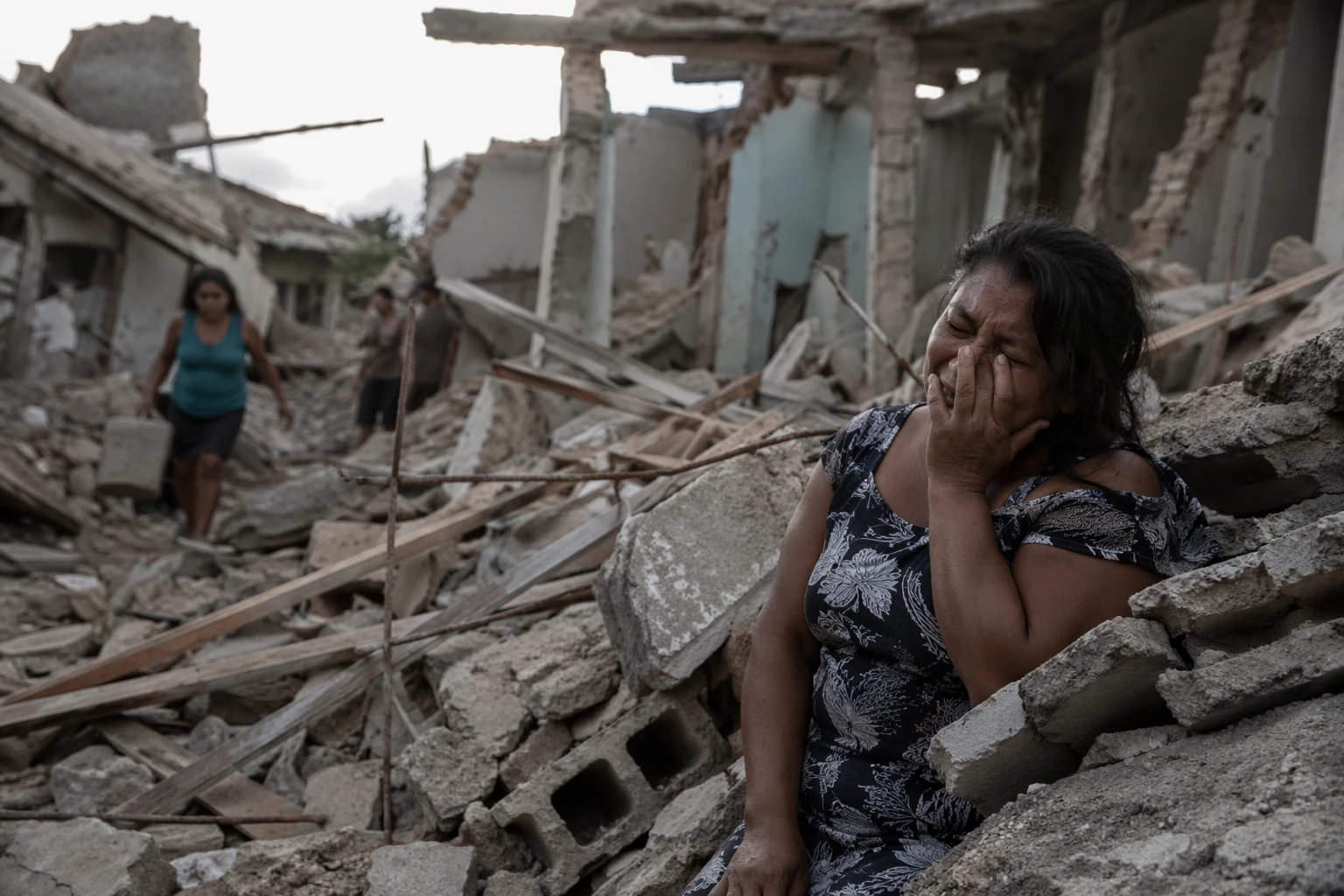
In Caracas, residents fled into the streets as debris, toppled poles and broken walls blocked roads and panic spread through neighborhoods already battered by power and communication disruptions. Opposition leader Edmundo González wrote, “The uncertainty becomes yet another layer of anguish.”
Sources
- [1]nytimes.com
- [2]earthquake.usgs.gov
- [3]apnews.com
- [4]cnbc.com
- [5]usatoday.com
- [6]en.wikipedia.org
- [7]sciencedirect.com
- [8]aljazeera.com