Business
USMCA review stirs congressional concern as trade talks heat up
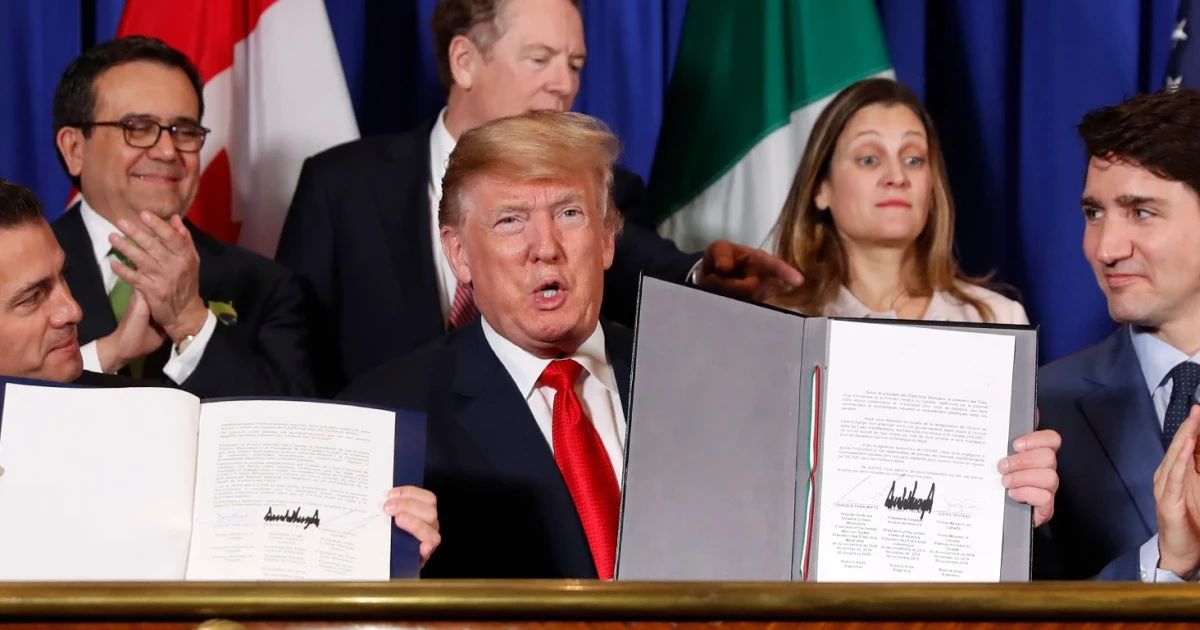
Lawmakers heading into midterm season are confronting a trade fight that cuts straight into auto plants, farm exports and factory supply chains back home. The first mandatory review of the U.S.-Mexico-Canada Agreement is set for July 1, 2026, and the outcome could determine whether the pact is extended, revised or allowed to drift toward a 2036 termination date.
Congress has a formal stake in the process because it approved the agreement’s implementing legislation in December 2019, and the Congressional Research Service says members may seek consultations with the executive branch, press for changes and weigh how the review affects U.S. trade relations with Canada and Mexico. That congressional role matters because this is the first mandatory joint review ever written into a U.S. free trade agreement.
The talks are already moving, but in pieces rather than as one trilateral negotiation. The United States and Mexico launched official negotiations on May 28, 2026, while Canada and the United States have only begun preliminary discussions. On June 18, 2026, Canadian Prime Minister Mark Carney said the two countries held detailed, technical trade talks at the G7 summit, including discussions with President Donald Trump.
Trump has also sharpened the political stakes. On June 10, 2026, he said he was “not looking to renew” the agreement, even as his administration negotiates with both neighbors. Canada and Mexico have said they want the deal extended, though both are also prepared to seek changes.
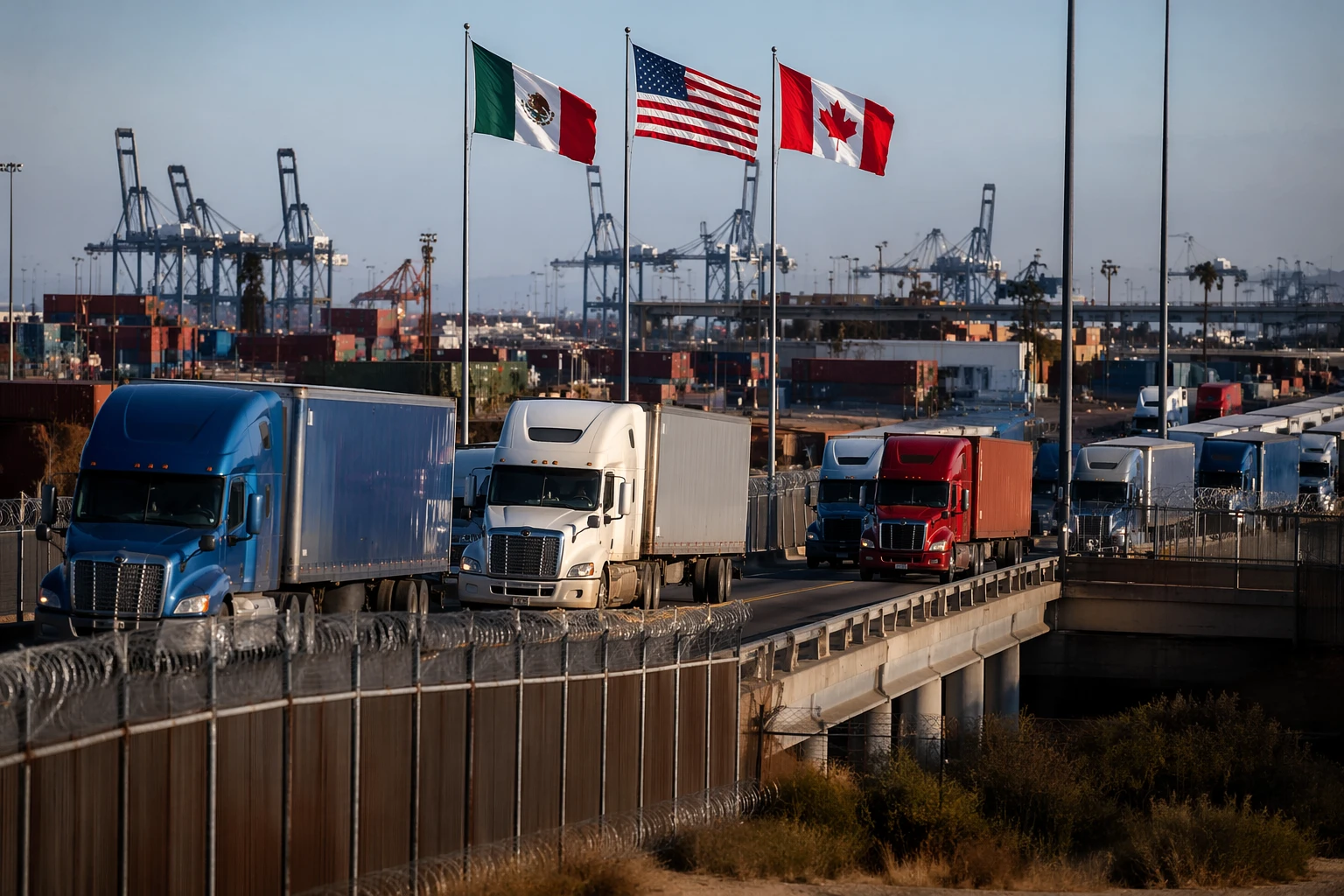
For lawmakers, the pressure points are easy to map onto districts and industries. The auto sector sits near the center of the dispute. Under USMCA, vehicles must contain 75 percent North American content to qualify for duty-free treatment, and Washington wants to push that to 82 percent while requiring 50 percent of a vehicle’s value to come from the United States. That would reverberate through assembly plants, parts suppliers and the unionized manufacturing workforce in politically sensitive regions that depend on cross-border production.
The review is also likely to revisit digital trade, intellectual property, labor, environment, investor-state dispute settlement and government procurement. CRS has flagged another issue with geopolitical weight: USMCA’s nonmarket-economy notification clause, which requires notice if a party pursues a trade deal with a nonmarket economy such as China. With about $1.3 trillion in Canada-U.S. cross-border trade at stake and roughly 90 percent of Canada’s exports shielded from Trump’s tariffs under the pact, the review is turning into both a policy test and a political one.
Sources
- [1]nytimes.com
- [2]congress.gov
- [3]everycrsreport.com
- [4]cbc.ca
- [5]as-coa.org
- [6]msn.com