Science
USPS Postmark Policy Shift Alters Mail Dating Process
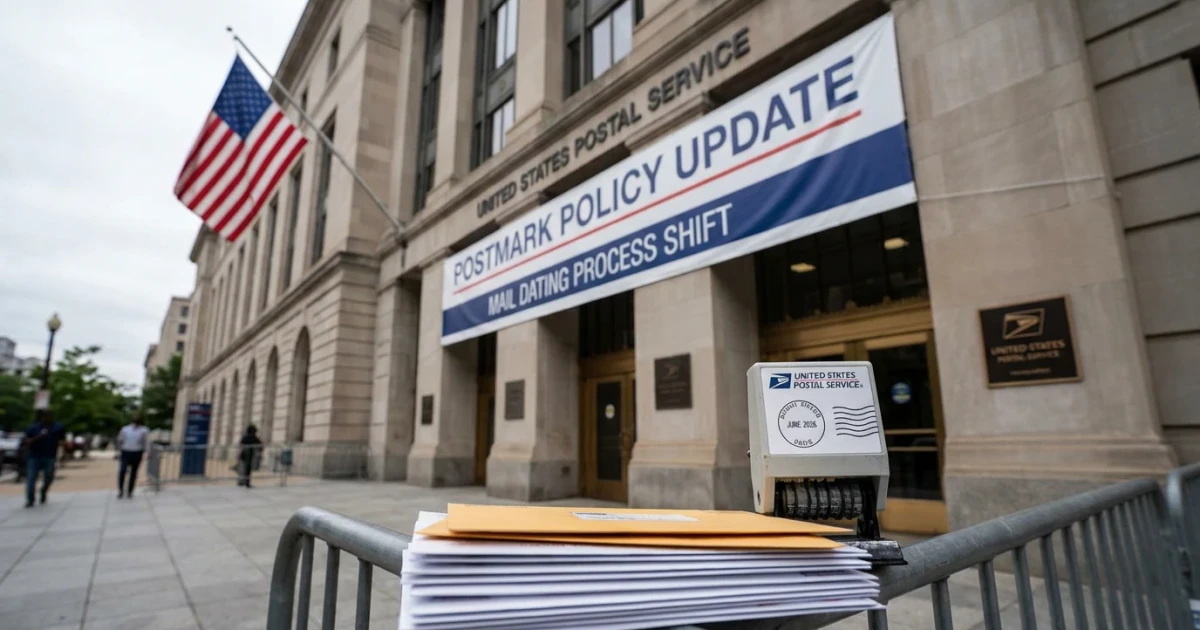
The United States Postal Service (USPS) has introduced a significant change to its postmark policy, affecting how dates are applied to mail and potentially impacting both consumers and businesses. The update, first reported by AL.com, marks a shift in operational standards and has raised questions about mail processing, legal documentation, and election mail procedures.
What Has Changed in USPS Postmark Policy?
According to the official USPS Postal Bulletin, the new policy adjusts how postmarks are assigned and displayed on mail items. Traditionally, postmarks have served as a reliable indicator for the date an item was processed, providing proof of mailing for legal, financial, and governmental purposes. The change, implemented in 2024, aims to streamline mail processing and reflect operational realities.
- Postmarks may now be applied only to certain classes of mail, such as First-Class and Priority Mail, while other categories may no longer receive a physical date stamp.
- The USPS is also updating the technology used to apply postmarks, moving toward digital systems for enhanced tracking.
- Not all mail pieces will automatically receive a visible postmark; some will require a specific request at the point of mailing.
Implications for Consumers and Businesses
This policy update carries several implications:
- Legal and Financial Documents: Postmarks are often used to verify timely submission for taxes, legal filings, and bill payments. The USPS Domestic Mail Manual outlines the standards for postmarks and exceptions, but the recent changes may require individuals and businesses to adjust their mailing practices.
- Election Mail: As detailed in the USPS Election Mail Handbook, postmarks are critical for determining whether absentee ballots are submitted on time. The new policy encourages election officials and voters to ensure mail is sent through methods that guarantee a postmark when required.
- Customer Service and Tracking: The transition to digital postmark technologies may offer improved accuracy in tracking mail dates, but it could reduce transparency for those accustomed to physical stamps.
Mail Processing and Performance Data
USPS service performance metrics for FY2024 Q2 indicate ongoing efforts to improve mail processing times and reliability. While on-time delivery percentages remain steady for First-Class Mail, the removal or digitization of postmarks may complicate end-user verification of mailing dates. Analysts note that prompt processing and accurate dating remain priorities for the USPS despite operational shifts.
Expert Analysis and Forward-Looking Perspective
The Government Accountability Office’s recent report emphasizes the importance of clear communication as USPS adapts its policies. Ensuring that customers understand how and when postmarks are applied will be crucial, particularly for time-sensitive mailings. Stakeholders are advised to review updated USPS guidelines and consult local post offices for best practices.
Looking ahead, the USPS’s move toward digital postmark systems aligns with broader modernization efforts. However, the transition may require adjustments from consumers, businesses, and government agencies that rely on postmark evidence. The USPS encourages mailers to check current standards and request postmarks when needed, especially for legal and election-related mail.