Business
USPS raises Forever stamp price to 82 cents on Sunday
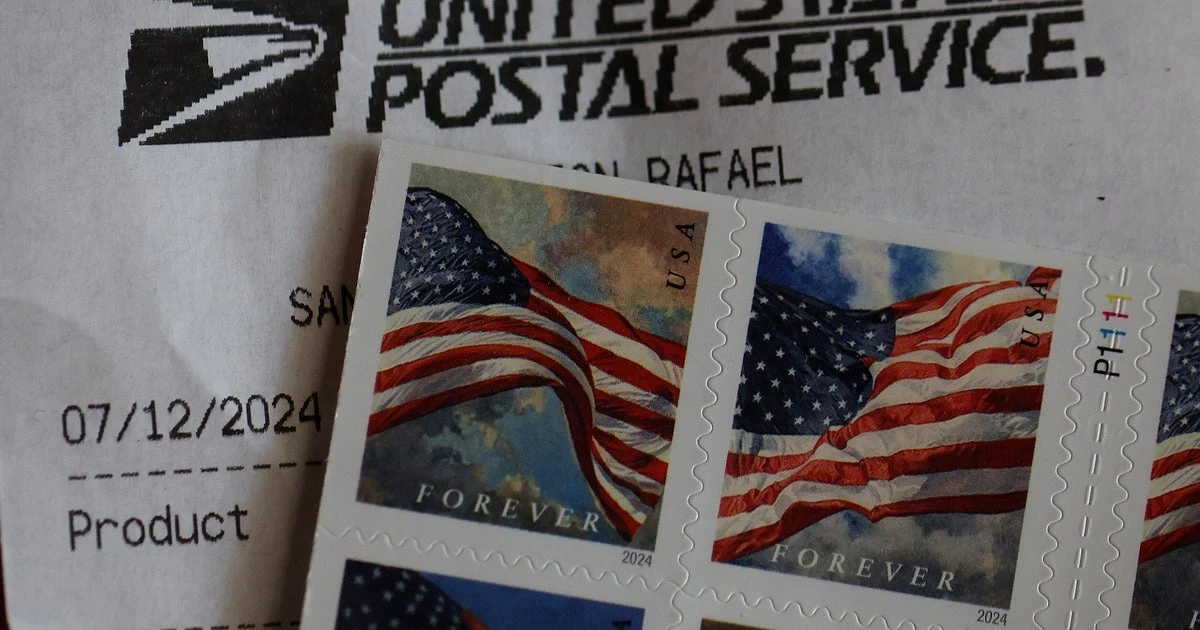
A First-Class Mail Forever stamp will rise to 82 cents on Sunday, up from 78 cents, extending a five-year stretch of postal price increases that has pushed the staple letter rate 41% higher than in 2021. For households, small businesses, nonprofits and older Americans still paying bills by mail, every round of postage hikes makes the cost of sending paper climb a little more.
The increase is 4 cents, or about 4.8%, and it is part of a broader July 12 rate change that will touch other mailing products as well. The U.S. Postal Service filed notice of the changes with the Postal Regulatory Commission on April 9, 2026, and the Postal Service Board of Governors approved the new rates.
USPS has said the higher prices are meant to improve its finances after another difficult year. The agency reported a fiscal 2025 net loss of $9.0 billion and a controllable loss of $2.7 billion, underscoring the pressure on a mail system that continues to lose volume as more customers move to digital billing, online payments and package services. The latest increase gives USPS another source of revenue, but it also adds to the cost of a basic service that remains essential for millions of people and organizations.
The stamp price has now been raised six times in the past five years. In 2021, a Forever stamp cost 58 cents, and USPS’s earlier postage change that year was approved by the Postal Regulatory Commission on July 19 after a request filed in May. The steady climb since then has turned a once-minor expense into a more noticeable line item for anyone who still relies on the mail for invoices, donations, prescriptions, greeting cards or tax documents.
USPS has also filed separate notice for competitive price changes on package and service offerings that will take effect the same day, adding another layer to the agency’s July pricing overhaul. The repeated increases reflect a strategy aimed at stabilizing a system under financial strain, but they also risk accelerating the long decline in first-class mail as more customers look for cheaper, faster digital alternatives.
Sources
- [1]cbsnews.com
- [2]about.usps.com
- [3]congress.gov