Science
Utah Braces for Rare Northern Lights Amid Severe Geomagnetic Storm
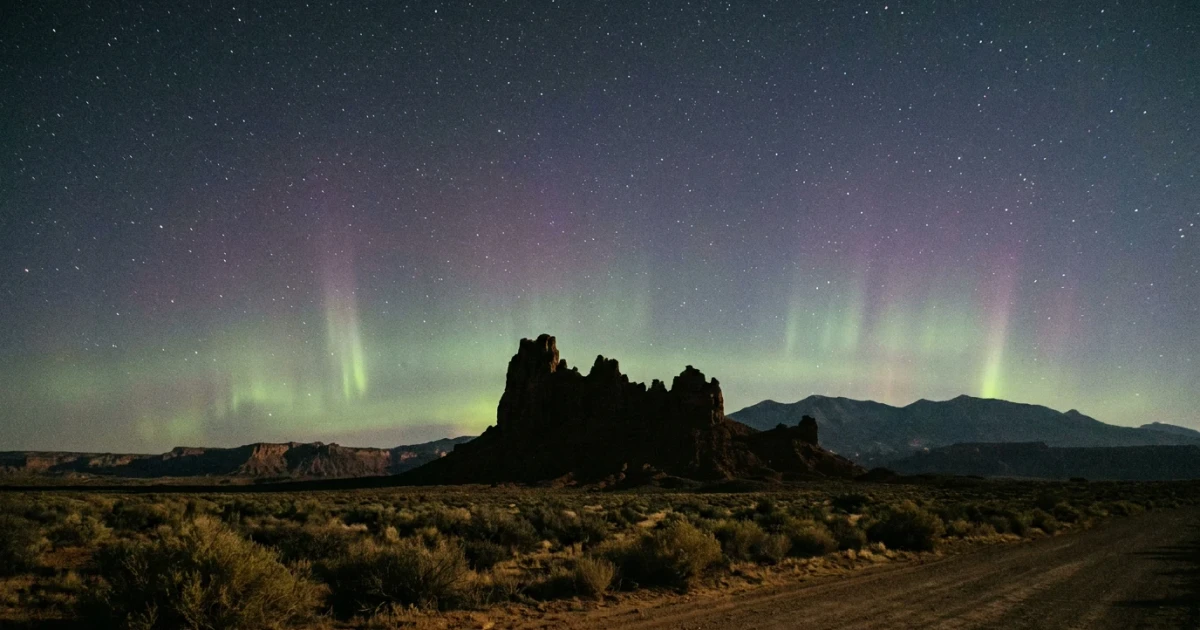
Utah residents could be treated to a rare natural spectacle as a severe geomagnetic storm is forecast to make the northern lights visible much farther south than usual, according to multiple weather agencies. The phenomenon, commonly confined to high-latitude regions, may light up skies across 23 U.S. states on Thursday and Friday, including parts of the Mountain West.
Severe Geomagnetic Storm Prompts Wide Aurora Watch
The National Oceanic and Atmospheric Administration’s Space Weather Prediction Center (NOAA SWPC) issued a G4 (Severe) geomagnetic storm watch, warning that conditions are favorable for intense auroral activity. The alert, first reported by KSL News and corroborated by Forbes, highlights that the storm’s strength could make the aurora borealis visible as far south as Utah, Colorado, and even northern California under clear skies.
- The aurora viewline is expected to drop well below its typical latitude, dramatically increasing the odds of sightings in the lower 48 states.
- NOAA’s Planetary K-index—a measure of geomagnetic disturbance—has reached levels associated with strong and severe storms, a rarity for the region.
What’s Causing the Aurora Surge?
The current event is driven by a powerful solar eruption that sent a large burst of charged particles toward Earth. When these particles interact with Earth’s magnetic field, they trigger auroral displays, typically seen near the poles. The intensity of this storm means that the colorful lights—usually green, pink, or red—could be visible much further south, especially in areas with low light pollution and clear weather.
According to NOAA SWPC, strong geomagnetic storms are relatively uncommon, and events of this magnitude have only occurred a handful of times in the past decade. Historical data from the NOAA NCEI Geomagnetic Storms Data confirms that such widespread aurora visibility is a rare occurrence for Utah and neighboring states.
How and Where to See the Northern Lights in Utah
- Optimal viewing will occur during the darkest hours after sunset and before sunrise, with minimal city light interference.
- Rural regions and elevated vantage points increase the likelihood of catching the aurora.
- Real-time aurora forecasts and maps can help skywatchers pinpoint the best times and locations.
While the storm brings excitement for skywatchers, experts caution that geomagnetic disturbances can also have minor impacts on power grids and GPS systems, though utilities are closely monitoring the situation.
What Utahans Can Expect
If skies remain clear, Utah residents could witness shimmering curtains or arcs of light on the northern horizon, especially in the northern half of the state. The phenomenon is expected to peak late Thursday into early Friday. The last time Utah saw auroral activity of this intensity was several years ago, making this a highly anticipated event for both amateur and professional astronomers.
Looking Ahead
As the geomagnetic storm unfolds, those in Utah and across the Mountain West are encouraged to keep an eye on NOAA’s alerts and warnings for updated forecasts and safety guidance. With rare events like this, the best chance to experience the northern lights may be just a short drive away from city lights—offering a glimpse of one of nature’s most spectacular displays.