Entertainment
Utah Judge Issues Protective Orders in Paul-Mortensen Case
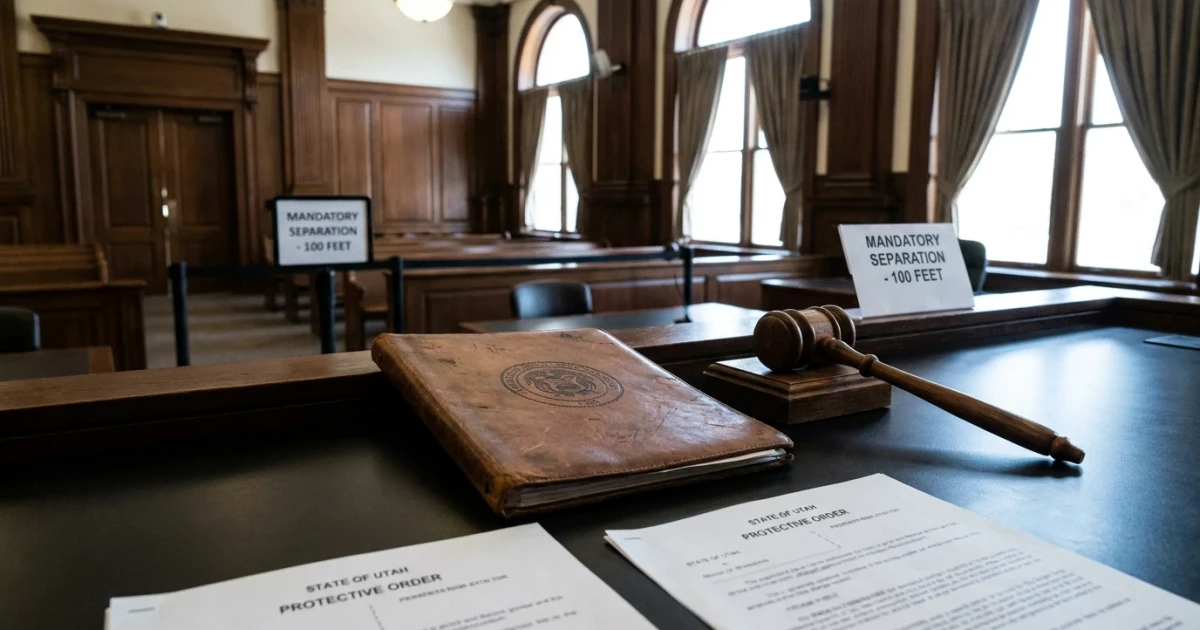
Utah social media influencer Taylor Frankie Paul and her ex-boyfriend Dakota Mortensen have been ordered by a Utah judge to maintain a distance of at least 100 feet from one another, following a court hearing that resulted in the issuance of mutual protective orders. The decision, reported by the Los Angeles Times, underscores the court's response to a contentious and widely followed dispute involving the two public figures.
Protective Orders Enforced
During the court session, the judge was direct in the orders given, stating, "You two need to stay away from each other."
The Utah Code Title 78B Chapter 7 outlines the statutory framework for such protective orders, covering situations where the court deems it necessary to prevent further conflict or risk between parties. These measures are intended to safeguard the individuals involved and help de-escalate situations that could lead to further legal or personal complications.
What Protective Orders Mean in Utah
Protective orders, sometimes referred to as restraining orders, are legal tools used to prevent contact between parties in cases of alleged harassment, abuse, or ongoing disputes. In Utah, these orders can be tailored to the specifics of each case, often including mandates about physical distance, communication bans, and sometimes even restrictions on electronic contact.
According to WomensLaw.org, the process begins with a petition to the court and, if granted, the order is legally enforceable—violations can lead to arrest or further legal penalties.
Official court records for such cases are available through the Utah State Courts system, allowing the public to access filings, orders, and dockets for transparency and accountability.
Broader Context and Prevalence
Protective orders are commonly issued in situations involving intimate partner disputes. Data from the Bureau of Justice Statistics shows that thousands of such orders are granted annually across the United States, with their effectiveness and enforcement varying by jurisdiction. Research from the National Institute of Justice highlights best practices and challenges in ensuring these orders protect those at risk while balancing due process rights.
- Protective orders can include restrictions on physical proximity, communication, or even online interactions.
- Violation of a court-issued protective order is a criminal offense in Utah and can result in immediate arrest.
- Court-issued orders are often reviewed periodically to assess their ongoing necessity and effectiveness.
Next Steps in the Case
For Taylor Frankie Paul and Dakota Mortensen, the judge’s order is clear: both parties must avoid contact and maintain the court-mandated distance. This legal separation aims to prevent further incidents and provide both individuals space to resolve their issues independently of one another.
As the situation develops, court records and any potential future proceedings will be accessible to the public via the Utah State Courts. For those seeking more information on the protective order process or their legal rights in Utah, resources such as WomensLaw.org and the state code provide helpful explanations and guidance.
Conclusion
The judge’s order in the Paul-Mortensen case reflects both the seriousness with which Utah courts treat protective order requests and the legal avenues available for individuals seeking relief from ongoing disputes. The case will serve as a watchpoint for those interested in the application of protective order laws and their enforcement in high-profile circumstances.