Politics
Utah Lawmaker Defends Congress’s Deliberate Pace
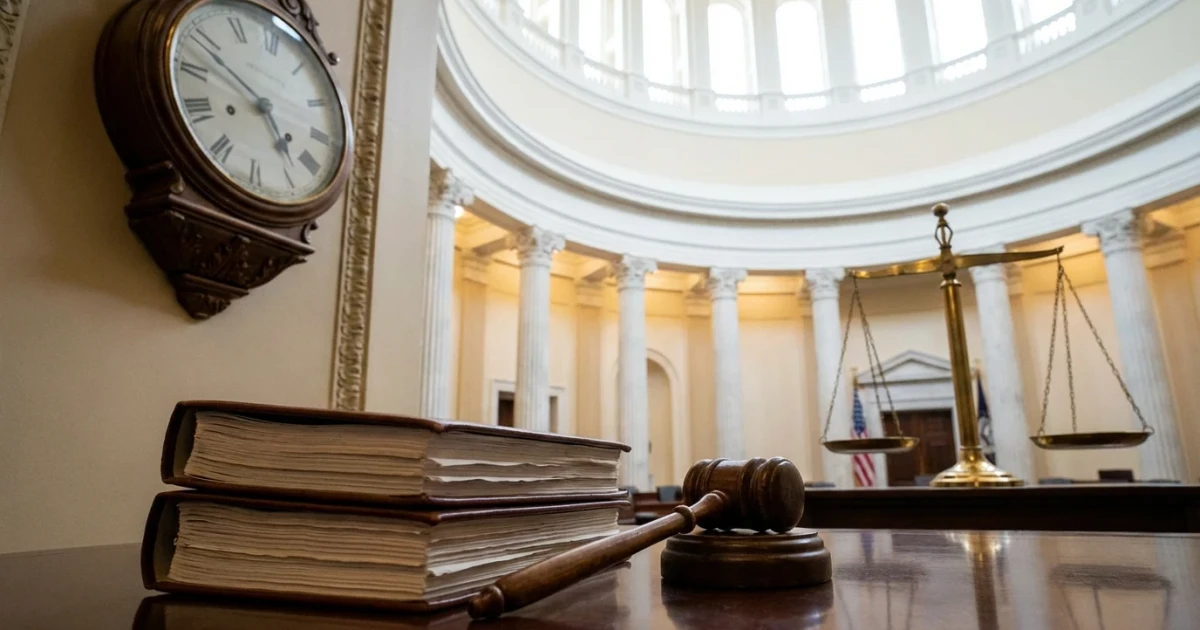
Congress has often faced criticism for slow progress and legislative gridlock, but one Utah Republican believes the institution is functioning precisely as the nation’s founders intended. In a recent discussion highlighted by Deseret News, the lawmaker argued that the deliberate, sometimes contentious pace of Congress is not a sign of dysfunction, but a core feature of the American system of government.
Congressional Design: Debate Over Efficiency
The U.S. Congress was established with a system of checks and balances that intentionally makes passing new laws a complex process. According to the Utah Republican, this structure ensures that no single party or individual can rapidly alter the nation’s direction. Instead, the system demands consensus-building, negotiation, and extended debate before major legislative changes are enacted.
- The House and Senate must both agree on identical bill language before sending legislation to the president.
- Committees, amendments, and multiple votes slow the process, but also provide transparency and opportunities for input.
- This process is meant to prevent rash decisions and encourage broad representation.
As described in the analysis by Deseret News, the lawmaker suggested that the perceived inefficiency of Congress is a deliberate safeguard against hasty or extreme policymaking. This perspective echoes long-standing arguments from constitutional scholars that the founders prioritized stability and debate over speed in legislative affairs.
Gridlock or Guardrail?
The Utah Republican’s view challenges the widespread frustration with so-called "congressional gridlock." Many Americans express dissatisfaction with Congress’s ability to pass major legislation, especially on issues like the budget, healthcare, and immigration. However, as highlighted in the Deseret News report, the lawmaker maintains that what is often called gridlock is actually a vital guardrail for democracy.
Recent Pew Research data shows that public approval of Congress remains low, with only about 20% of Americans expressing confidence in the institution’s effectiveness. Despite this, defenders of the system point to the importance of thorough deliberation and the prevention of unchecked power.
The Legislative Process: Designed for Compromise
The Utah Republican’s remarks come amid ongoing debates about how to reform Congress and make it more responsive to the American public. Lawmakers from both parties have introduced bills to streamline procedures, limit the use of filibusters, or increase transparency. Yet, supporters of the current design argue that the difficulties in passing legislation force compromise and moderation—key elements of the country’s political stability.
- Official records show hundreds of bills introduced each session, but only a small percentage become law, reflecting the rigorous hurdles each must clear.
- According to GovTrack data, the 118th Congress saw fewer than 3% of proposed bills enacted—a statistic cited by both critics and defenders of the system.
Perspectives on Reform and the Path Forward
While some lawmakers and advocates argue for procedural reforms to address urgent issues more quickly, others, like the Utah Republican, warn against sacrificing the deliberative nature of Congress. They contend that the nation’s founders designed the system to withstand partisan swings and ensure decisions reflect a broad consensus.
As the debate continues, the future of congressional procedure remains a point of contention. Whether Congress’s slow pace is seen as a flaw or a purposeful feature, the Utah lawmaker’s position reflects a longstanding tension in American democracy: balancing efficiency with thoughtful deliberation.
Conclusion
Congress’s design, with its deliberate obstacles and emphasis on debate, remains central to ongoing discussions about the institution’s role in American governance. As calls for reform grow louder, voices like that of the Utah Republican remind the public that what appears to be gridlock may, in fact, be a fundamental safeguard for the nation’s democracy.