Health
UV light breakthrough could help break down forever chemicals

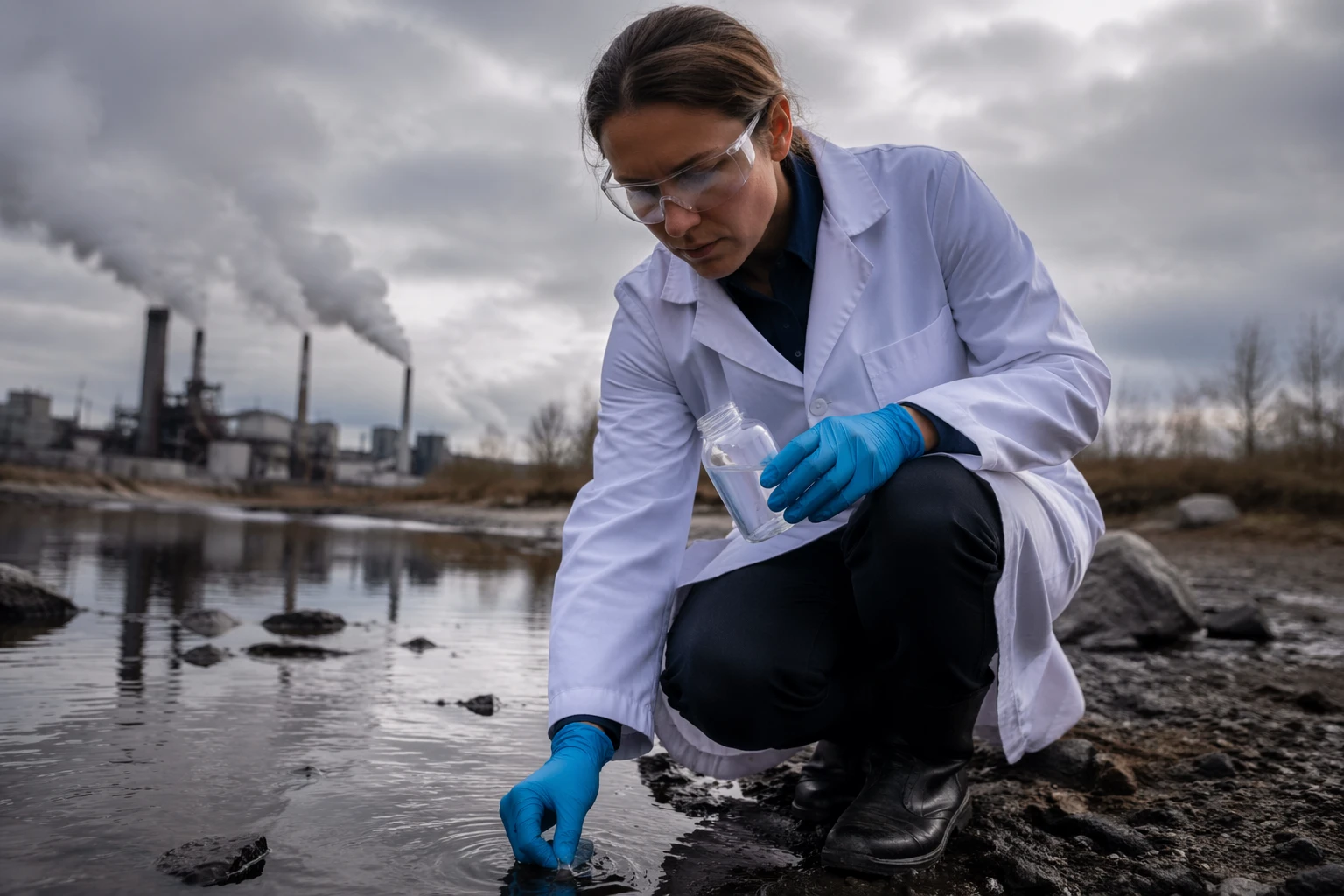
A new ultraviolet-based reaction may give PFAS a real weakness, but it is still far from a turnkey fix for contaminated water and soil. Researchers at Aarhus University found that hydrogen radicals formed from water under intense UV light can break down the stubborn compounds without added chemicals, a result that could eventually matter for wastewater treatment, industrial cleanup and drinking-water systems.
The work, led by Associate Professor Zongsu Wei in the Department of Biological and Chemical Engineering, was published in Environmental Science & Technology and highlighted in a June 16 ScienceDaily report. The key advance is not just that PFAS can be damaged, but that the chemistry appears cleaner than many current approaches, which often only trap the pollutants and move them somewhere else. Aarhus University said the reaction works best under high-energy UV light, especially at wavelengths below 300 nanometers.
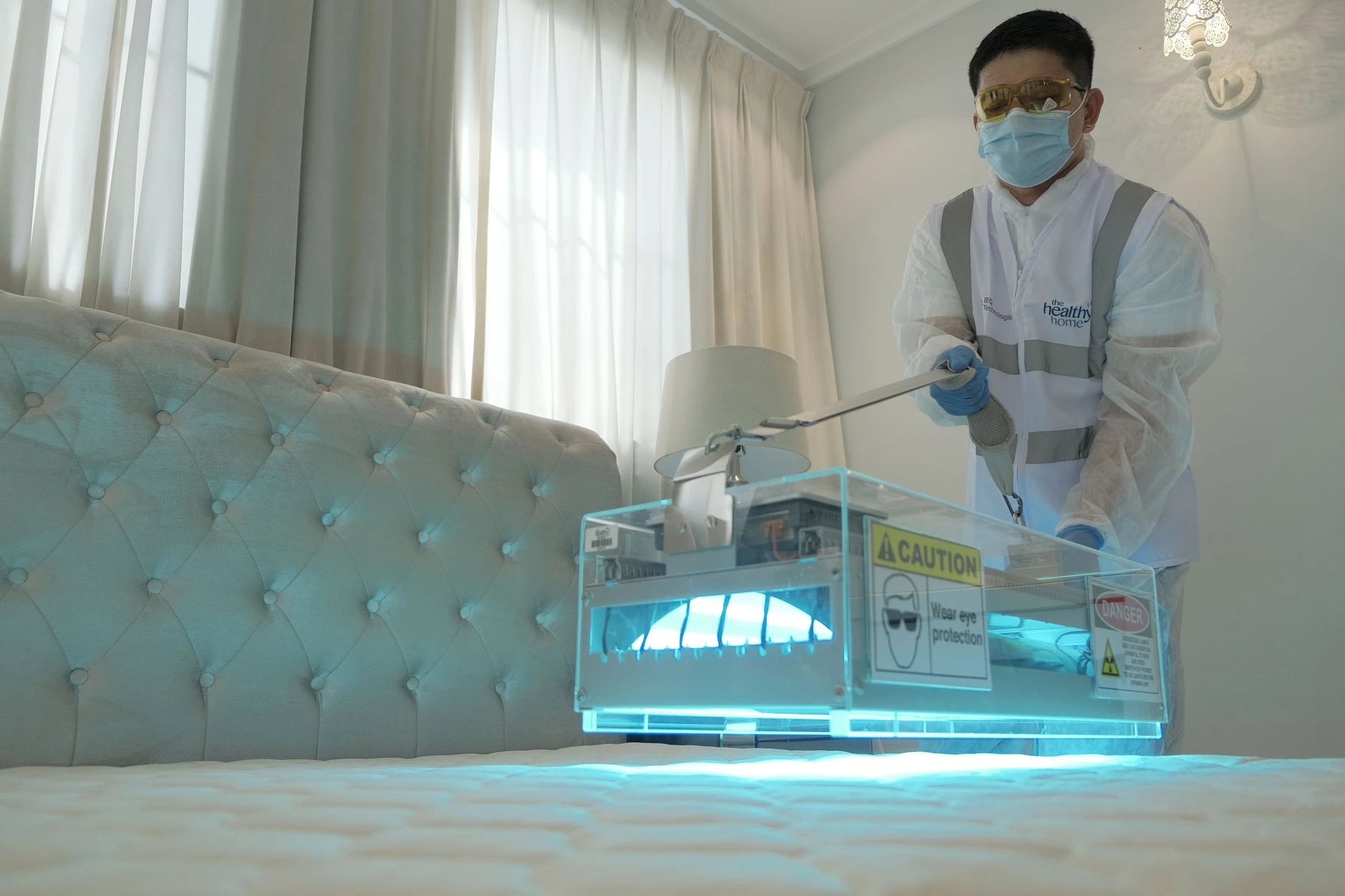
That detail matters because engineering, not just chemistry, will decide whether the method scales. Intense UV light can be energy-heavy, and the university said some intermediate compounds may form as PFAS break down. That means the pathway is promising, but not finished: a treatment system must destroy contaminants reliably, avoid creating new problems, and do so at a cost utilities and cleanup contractors can absorb.
The timing gives the research added weight. PFAS are already under major regulatory pressure in the United States, where the U.S. Environmental Protection Agency announced proposed drinking-water rules on May 18, 2026, after finalizing the first-ever national drinking-water standard for PFAS on April 10, 2024. The compounds, first made in laboratories in the 1940s and widely used in industrial applications in the 1950s, have become a long-lived contamination problem because they can persist in water and the human body for decades.
For communities living with PFAS in wells, groundwater and soil, the distinction between capture and destruction is crucial. A filter can buy time, but it does not erase the contamination burden. If the UV-radical method can be engineered into a durable system, it could push remediation beyond containment toward actual cleanup. For now, the study offers something more basic and more important: a mechanism that may help turn one of the most durable classes of industrial pollutants into something chemistry can finally break apart.
Sources
- [1]sciencedaily.com
- [2]bce.au.dk
- [3]eurekalert.org
- [4]epa.gov
- [5]fedcenter.gov
- [6]pure.au.dk