Technology
Valve’s Steam Machine blurs the line between console and PC

The first day with Valve’s Steam Machine can feel less like unboxing a console and more like setting up a compact PC. That matters because consoles have always sold a simple bargain: plug into a TV, turn it on, and start playing with as little fuss as possible. Valve is trying to borrow that promise while keeping the flexibility of Steam, and the result is a machine that only makes sense if you understand how much convenience PC gaming still asks you to trade away.
The console standard Valve is chasing
The expectation Valve is up against was set long before Steam existed. The Magnavox Odyssey, released in the United States in September 1972 and widely regarded as the first commercial home video game console, helped define the idea that a game system should work in the living room with minimal setup. Built from Ralph H. Baer’s Brown Box prototype at Sanders Associates, the Odyssey established a benchmark that still shapes console buyers today: the box should disappear into the background and let the game take over.
Valve’s Steam Machine has always been a challenge to that standard. When Valve first unveiled the concept in September 2013, it framed the project as a way to extend Steam into the living room, not as a traditional console replacement. That distinction matters, because Steam’s identity has always been tied to the openness and complexity of PC gaming, where compatibility, settings, and hardware choices are part of the experience rather than hidden from it.
Valve’s first living-room push
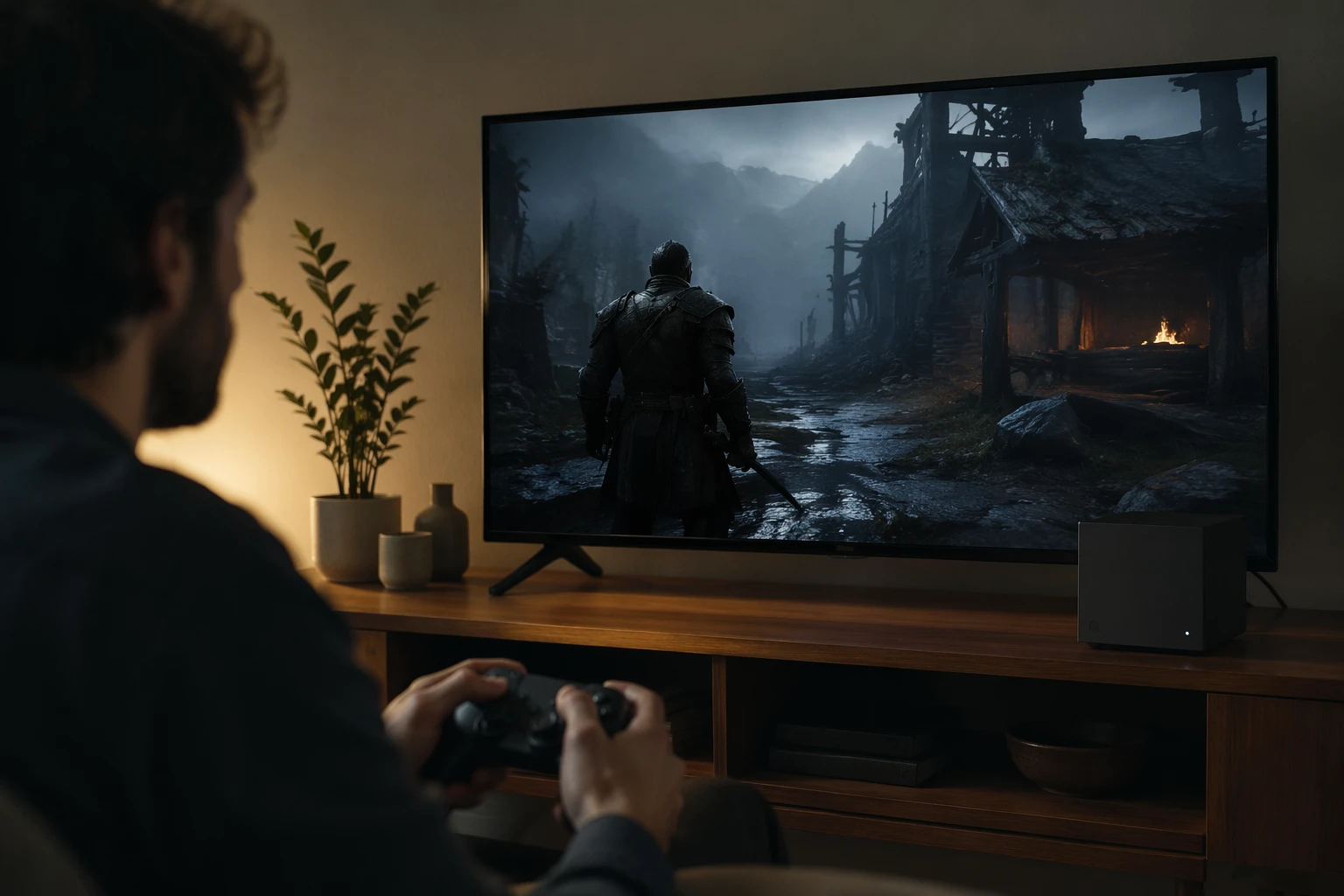
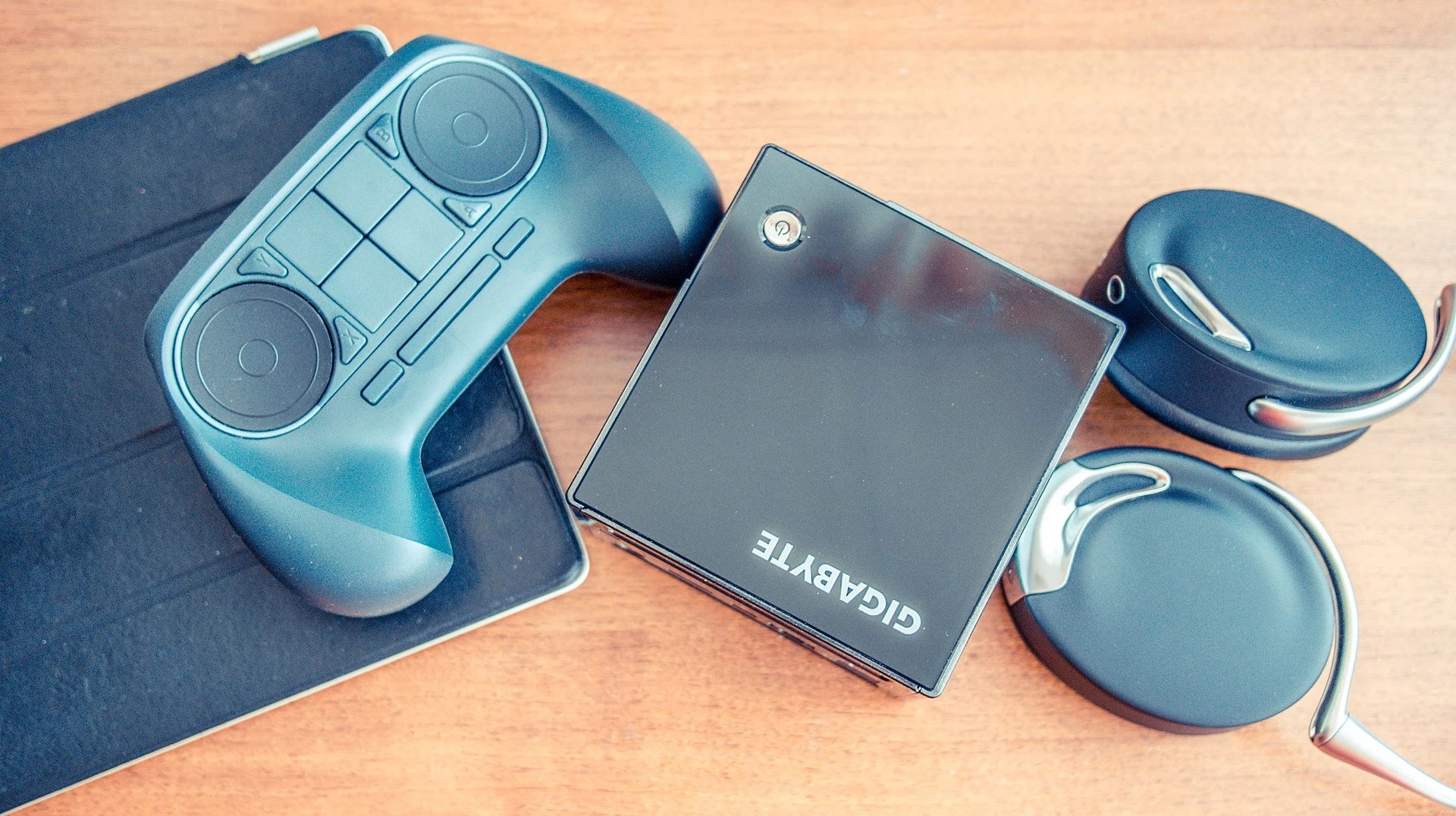
The company moved quickly after that initial reveal. In December 2013, Valve shipped 300 prototype Steam Machines and Steam Controllers to beta testers, a sign that the project was more than a marketing sketch. The first-generation Steam Machines finally launched on November 10, 2015, and Valve said systems started at $499. Every Steam Machine included the Steam Controller and ran SteamOS, a Linux-based operating system designed to anchor the platform around Steam itself.
On paper, that lineup looked like a bridge between console simplicity and PC flexibility. In practice, it still felt like a PC trying to pass as a console. SteamOS gave Valve control over the software layer, but it also introduced a different operating environment from the Windows setup many players expected, and the need to manage a Linux-based system could undercut the ease that defines console play. A living-room device can survive complexity only if it hides that complexity well, and that was the first Steam Machine’s biggest test.
Why the promise ran into reality
The early numbers suggested the market was not fully persuaded. By June 2016, reports cited by Ars Technica said fewer than 500,000 Steam Controllers had sold, and Valve later confirmed that figure included controllers bundled with Steam Machines. That detail matters because bundled hardware can inflate the sense of adoption while also revealing how much the ecosystem relied on the package itself. If sales still looked thin after including the controllers that came with the machines, the broader Steam Machine push had clearly struggled to gain traction.
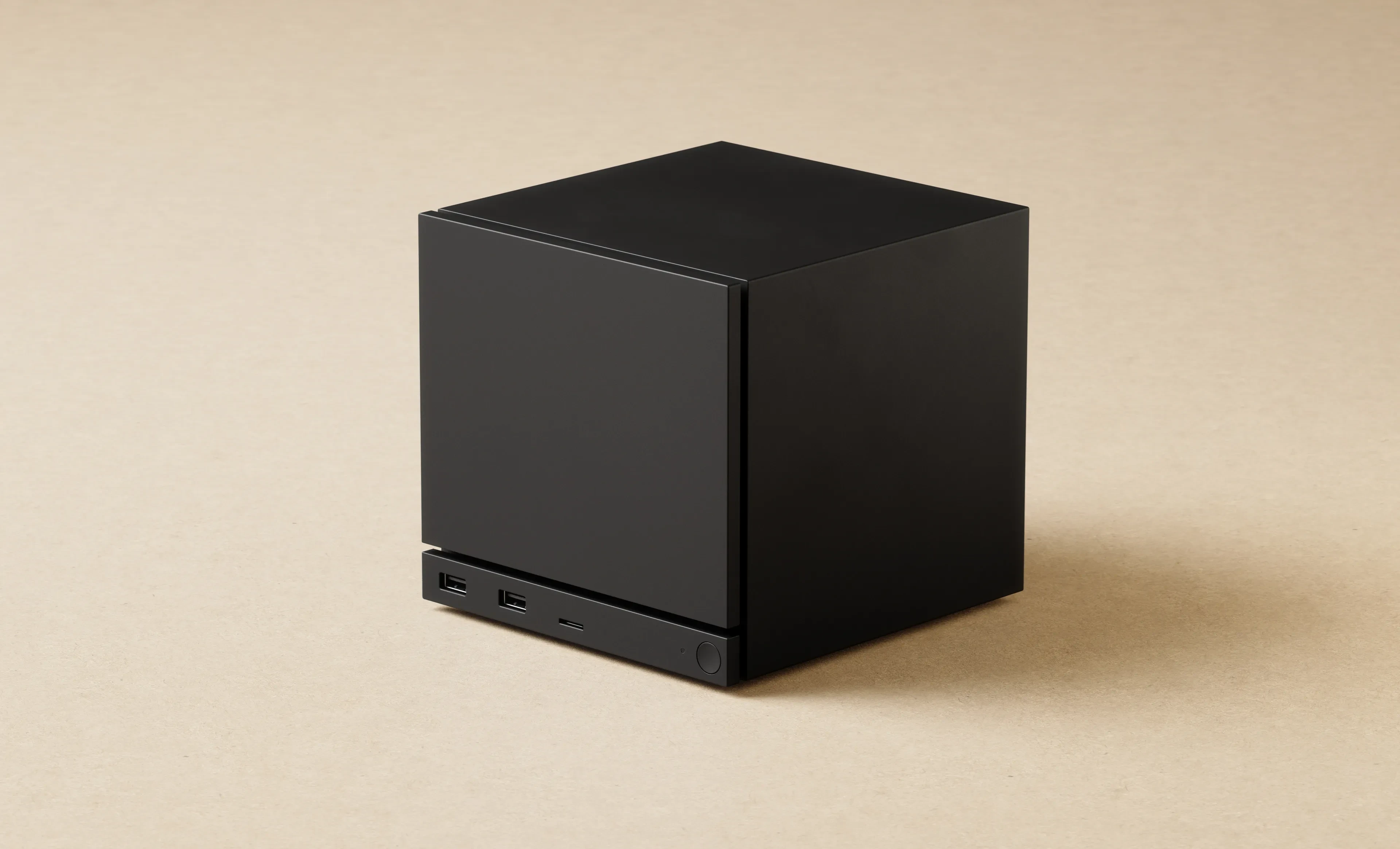
That is why a first-day troubleshooting experience is more than a personal annoyance. It reflects the core contradiction in the product: the Steam Machine is meant to sit under a TV and behave like a console, but it still behaves like a PC when something goes wrong. For players who want a no-drama system for the couch, that gap is the difference between convenience and labor. The closer a machine gets to console territory, the less visible that labor should be.
A category that faded, then came back
Valve eventually removed the Steam Machine category from its Steam hardware listings, a quiet acknowledgment that the original experiment had not become the dominant way people accessed Steam at home. But the idea never disappeared. In November 2025, Valve announced a new internally designed Steam Machine as part of a 2026 hardware lineup that also includes a new Steam Controller and Steam Frame. The company’s current Steam hardware messaging says the new Steam Machine is aimed at powerful PC gaming in a small, living-room-friendly form factor, and Steam’s store page describes it as a “small and mighty package” that gives access to the Steam library in more places.
That revival shows how durable the living-room dream still is. Valve is not retreating from the central promise of the original machine, which is to make a PC gaming library feel as approachable as a console. Instead, it is betting that the design can finally absorb the rough edges that turned the first generation into a niche product. The hardware may be new, but the standard remains the same: if it is going under the TV, it has to earn the console label by being easy to use, quick to trust, and hard to break.
What the Steam Machine has to prove
The new Steam Machine will live or die on whether it can remove the friction that defined the earlier model. That means fast setup, dependable controller pairing, minimal maintenance, and software behavior that feels predictable enough for a shared living room. It also means making sure the machine does not ask users to think like system administrators just to get through a gaming session.
Valve’s challenge is bigger than a single product launch. It is trying to define a category where the appeal of PC gaming meets the discipline of console design. If the new Steam Machine can deliver real ease, real reliability, and a true living-room experience, it may finally narrow the gap that the first model exposed. If it cannot, then it will remain what it has always threatened to be: a PC in console clothing.
Sources
- [1]theverge.com
- [2]store.steampowered.com
- [3]americanhistory.si.edu
- [4]engadget.com
- [5]phys.org