World
Vance defends Iran deal, warns Israel not to attack U.S. ally
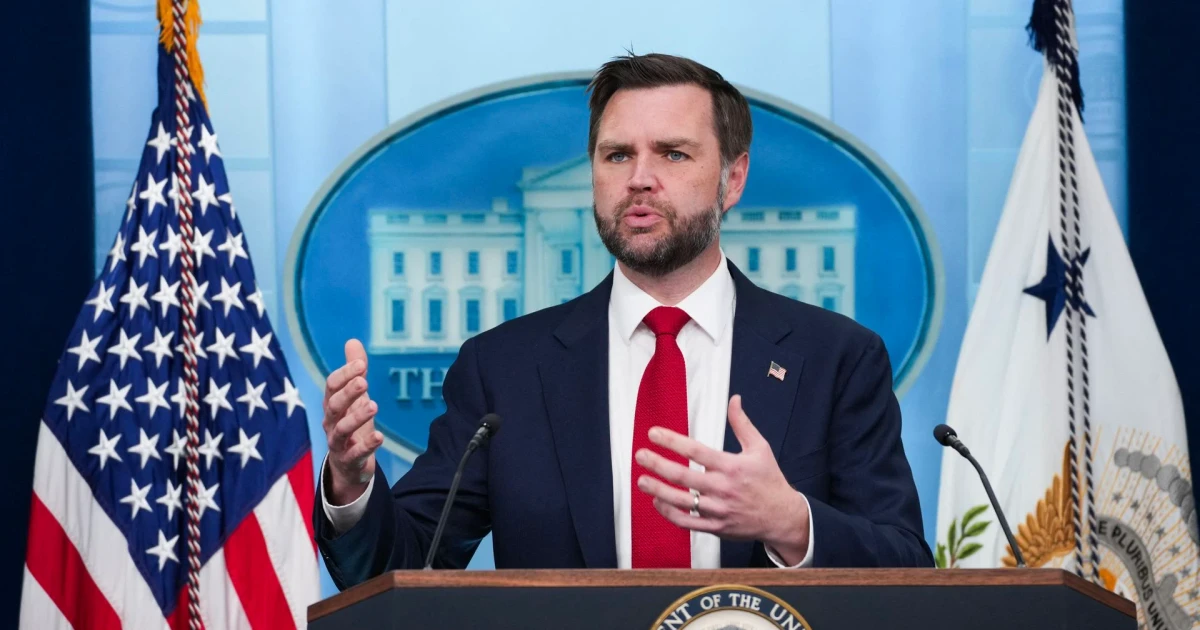
Vice President JD Vance used a White House briefing to deliver one of the bluntest public warnings yet from the Trump administration to Israeli critics of the Iran memorandum of understanding. Vance said the agreement was meant to end nearly four months of war with Iran and open a 60-day negotiation period toward a fuller settlement, while telling Prime Minister Benjamin Netanyahu’s cabinet that Israel should not attack its only powerful ally left.
The vice president singled out far-right ministers Itamar Ben Gvir and Bezalel Smotrich, saying they were among the critics pressing against the deal. He argued that the relationship with Washington remained essential to Israel’s defense, saying two-thirds of the weapons protecting Israel over the last three months were built by American hands and paid for by American tax dollars. The message was unusually direct: the administration was not just defending a diplomatic agreement, but publicly reminding Israeli leaders of the military and financial backing underpinning their security.

Vance also said the United States and Israel had recently fought together in the war against Iran, and that the new understanding was already easing tensions over the Strait of Hormuz, a vital global oil route. The agreement was described as reopening the strait and reducing pressure on world energy supplies after months of conflict had roiled markets and disrupted oil flows. Reports said the United States and Iran were moving toward an official signing ceremony in Switzerland.
The deal quickly drew resistance in both Washington and Israel. Critics said it did not sufficiently curb Iran’s missile program and did not clearly require the dismantlement of nuclear facilities. Some also warned that the arrangement could constrain Israel’s campaign against Hezbollah in Lebanon, limiting how far Jerusalem can go on a second front even as the war with Iran winds down.

The political fallout reached Capitol Hill, where Senate Foreign Relations Committee ranking Democrat Jeanne Shaheen said Congress must be immediately briefed on the terms of the agreement. She argued that the war’s central goals had not been met, underscoring the concern among lawmakers that the administration was trading military pressure for an uncertain diplomatic promise. The result is a sharp test of whether this is a lasting shift in Washington’s posture toward Israel or a tactical push to force acceptance of a deal that the White House says can still hold.
Sources
- [1]nytimes.com
- [2]usnews.com
- [3]politico.com
- [4]al-monitor.com
- [5]news.sky.com
- [6]aljazeera.com