Politics
Vance defends Iran war, questions influence campaigns on Rogan podcast
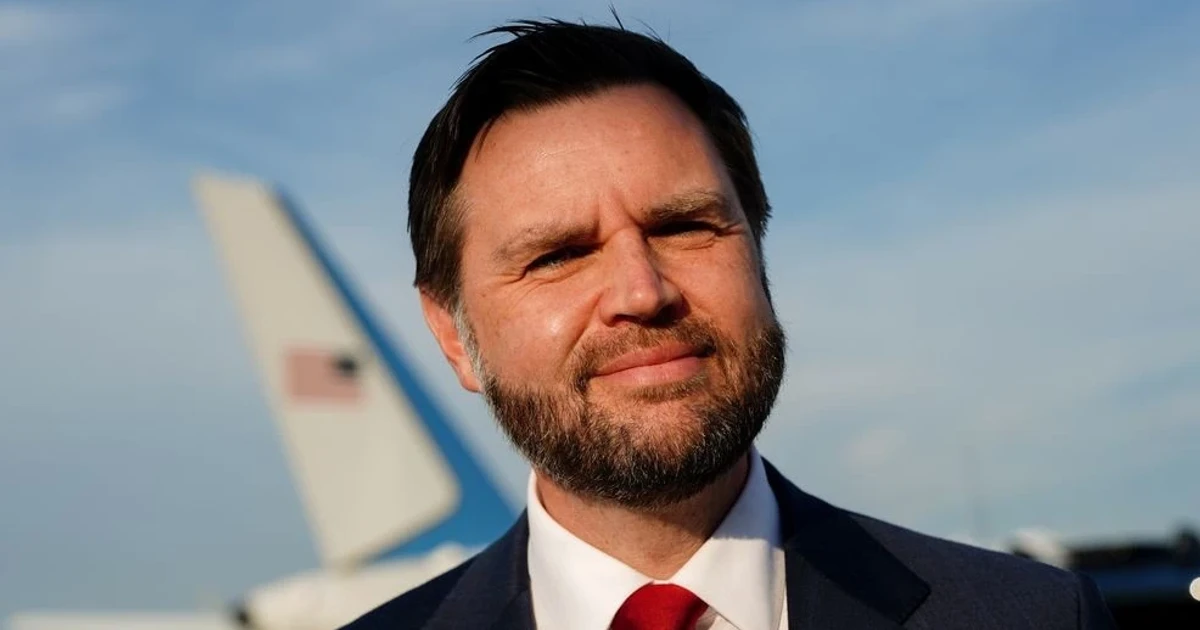
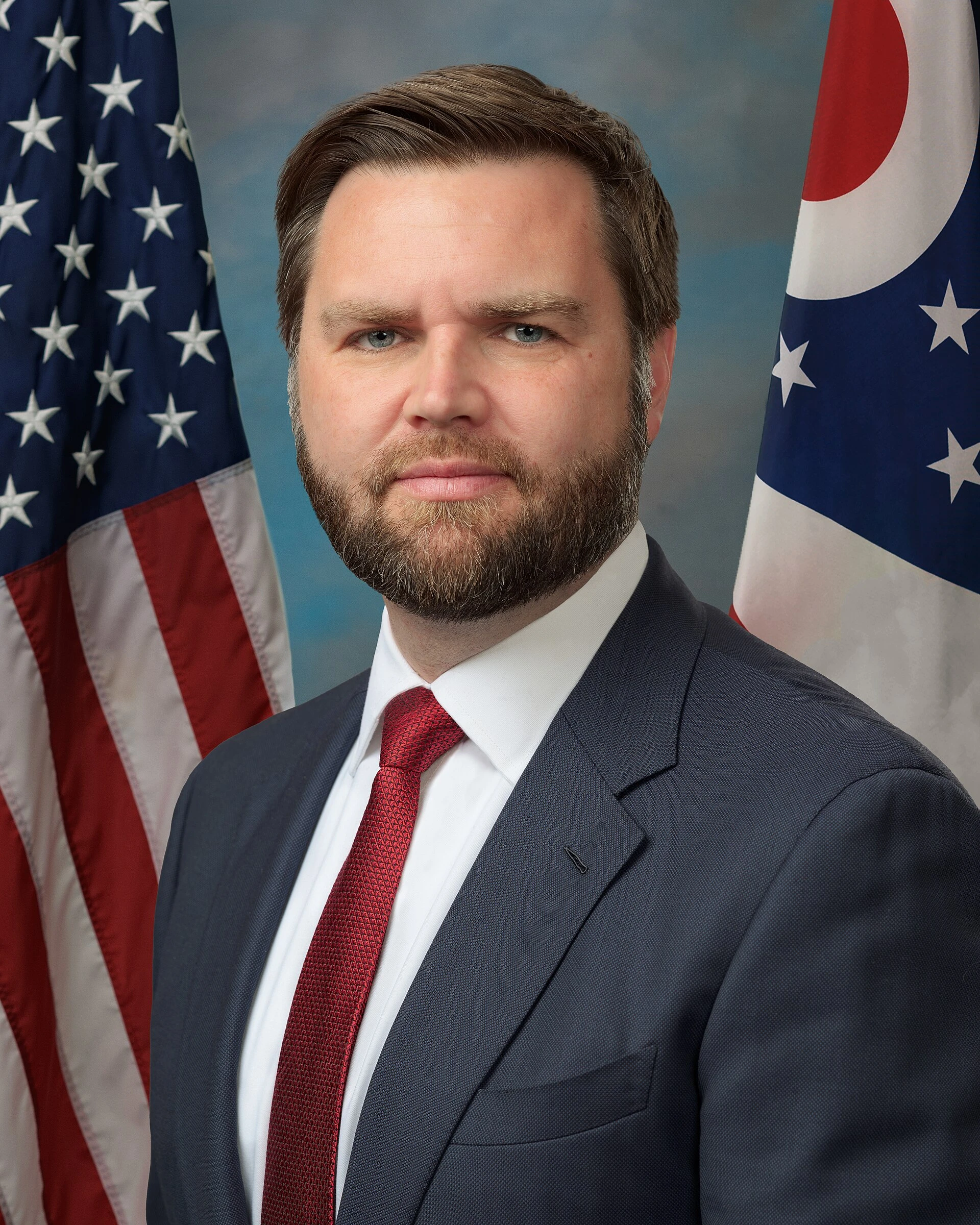
JD Vance used a nearly three-hour turn on Joe Rogan’s podcast to defend the Trump administration’s Iran policy while also signaling unease with the way the war has been sold. The episode, Joe Rogan Experience #2526, ran about 2 hours 53 minutes and was released July 15, 2026, making it Vance’s first on-air conversation with Rogan since 2024.
Rogan pressed the vice president on whether Israel’s influence had helped push Donald Trump into the Iran war. Vance answered by warning that well-funded influence campaigns were already targeting him over Iran policy and said U.S. decisions should be driven by American interests first. The exchange placed Vance in the familiar position of defending the administration while leaving room for skepticism about how the conflict was framed, a balance that is easier to manage in a long-form podcast than in a quick television hit.
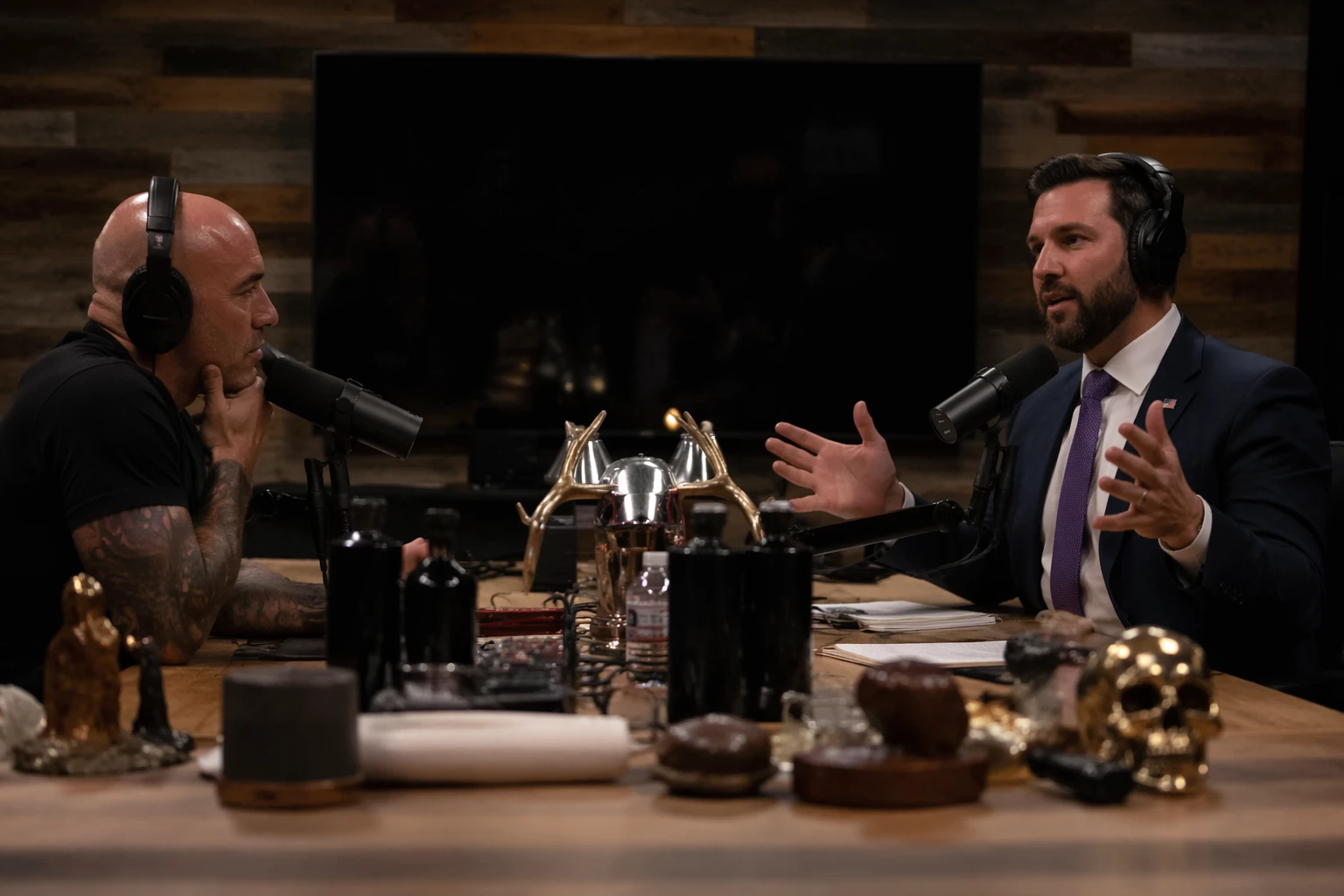
The interview mattered because Rogan had criticized the Iran war on a prior episode in the days before Vance appeared. That gave Vance a chance to speak directly to one of the country’s most influential long-form audiences, where a single guest can spend nearly three hours on a mix of foreign policy, domestic controversy, and personality-driven politics without the compressions of cable news.

Vance also confronted another vulnerability for the White House: the Epstein files. He acknowledged that the administration mishandled the rollout and communications around the release, saying officials raised expectations and then failed to deliver clear answers. He rejected the idea that the White House was trying to hide something, but the admission left intact the criticism that the government’s messaging had been confused from the start.
The episode moved beyond war and scandal into space travel and a White House UFC event, underscoring how Rogan’s format allows political figures to weave between policy and spectacle in a way that can soften hard edges, blur responsibilities, or test the limits of the administration line. For Vance, the appearance offered a controlled setting to defend the Iran war, acknowledge a communications failure on Epstein, and speak to the same audience that had already heard Rogan attack the conflict.
Sources
- [1]nytimes.com
- [2]politomix.com
- [3]jrepodcast.com
- [4]axios.com
- [5]pbs.org
- [6]mediaite.com
- [7]jpost.com
- [8]politico.com
- [9]prismnews.com