World
Vance delays Switzerland trip as U.S.-Iran nuclear talks loom
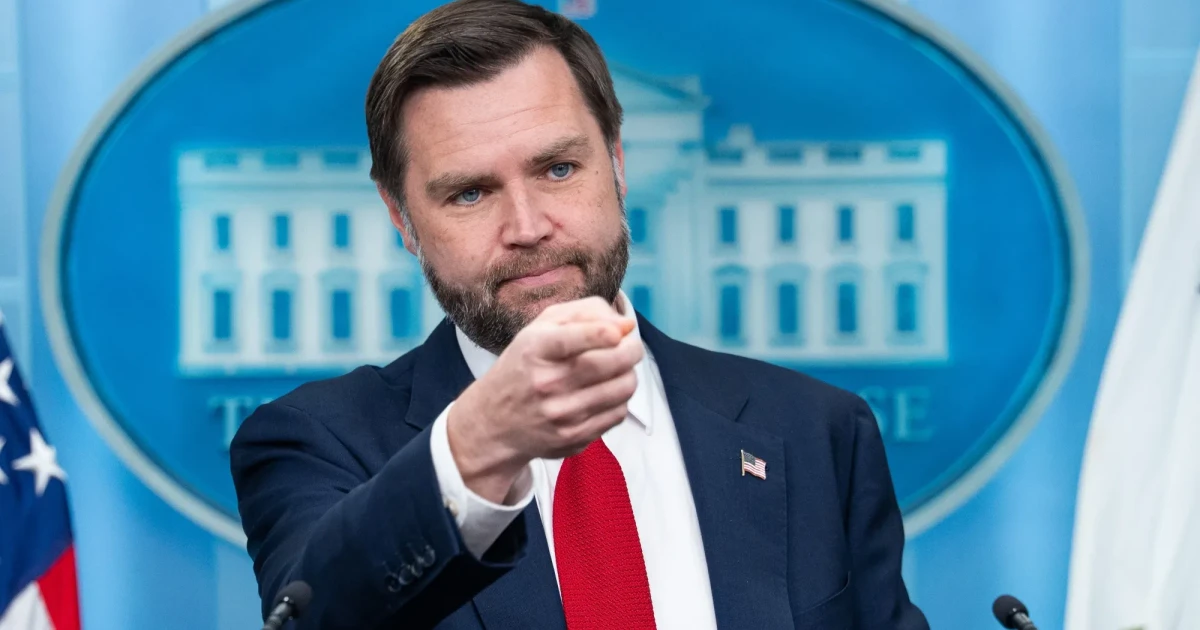
JD Vance’s postponed trip to Switzerland has become an early measure of how much momentum the new U.S.-Iran nuclear channel actually has. The White House said Thursday night that the vice president was not departing that night for the talks, attributing the delay to logistical challenges rather than any formal cancellation.
A White House spokesperson said, “As of now the Vice President is not departing tonight,” and added, “We look forward to beginning technical talks as soon as possible.” The message suggested the administration still viewed the negotiations as live, but the delay exposed how much of the process remains tentative as Washington and Tehran move toward their first serious technical discussions over Iran’s nuclear program.
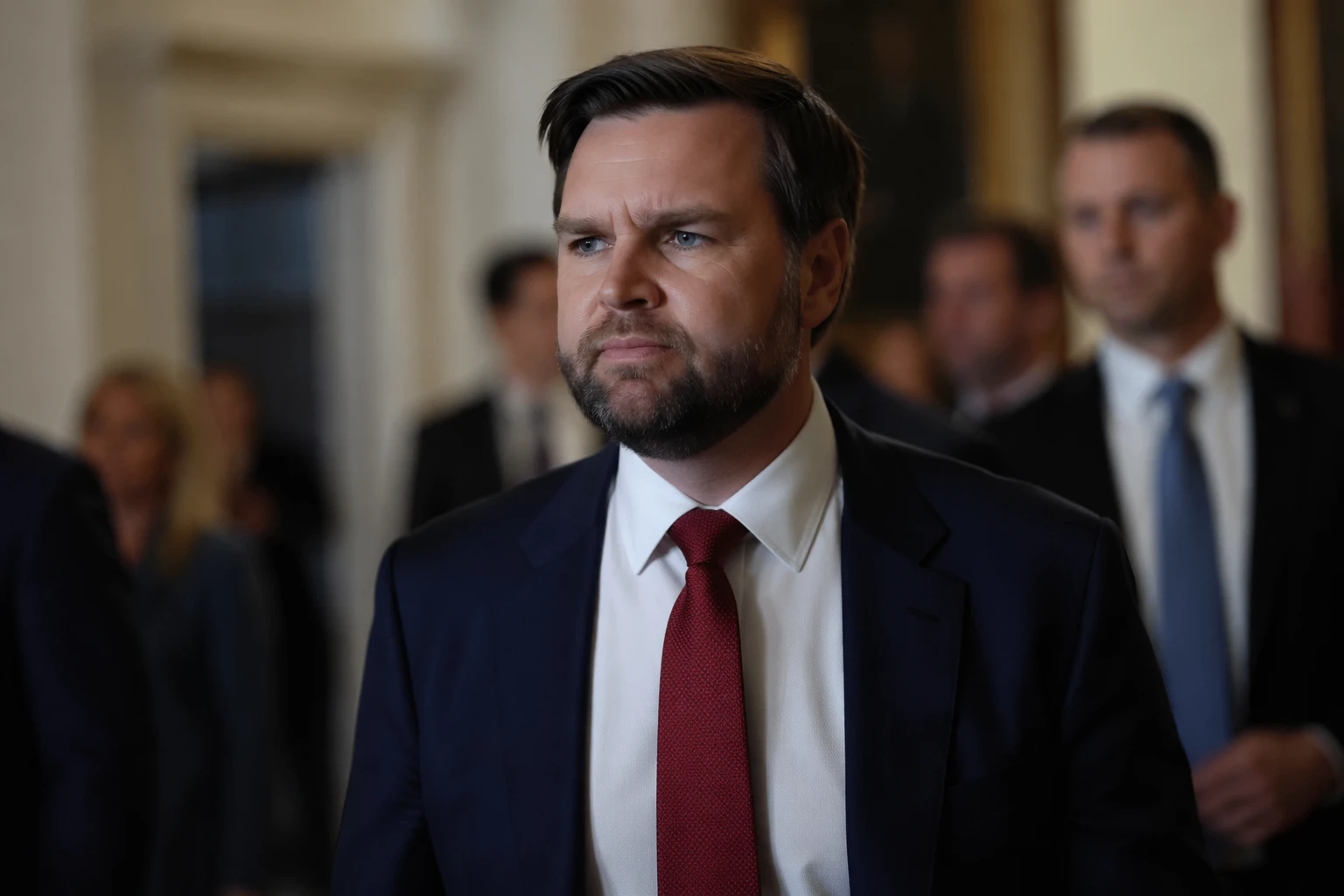
Vance had said earlier Thursday that he planned to travel to Switzerland but did not know exactly when he would leave. The talks were expected to begin there as soon as this weekend, depending in part on when Iran’s delegation could travel, and they were tied to a newly signed U.S.-Iran memorandum of understanding. That agreement has been presented as a possible step toward ending the war, but the schedule around the negotiations has already injected uncertainty into the effort.
The postponement matters because it is not just a matter of travel. It is a readout on leverage, coordination, and readiness on both sides. If the delay is limited to logistics, it points to a minor tactical pause in a fast-moving diplomatic process. If it reflects deeper friction over timing or terms, it could be an early warning sign that the negotiation track is more fragile than the agreement’s backers have suggested.
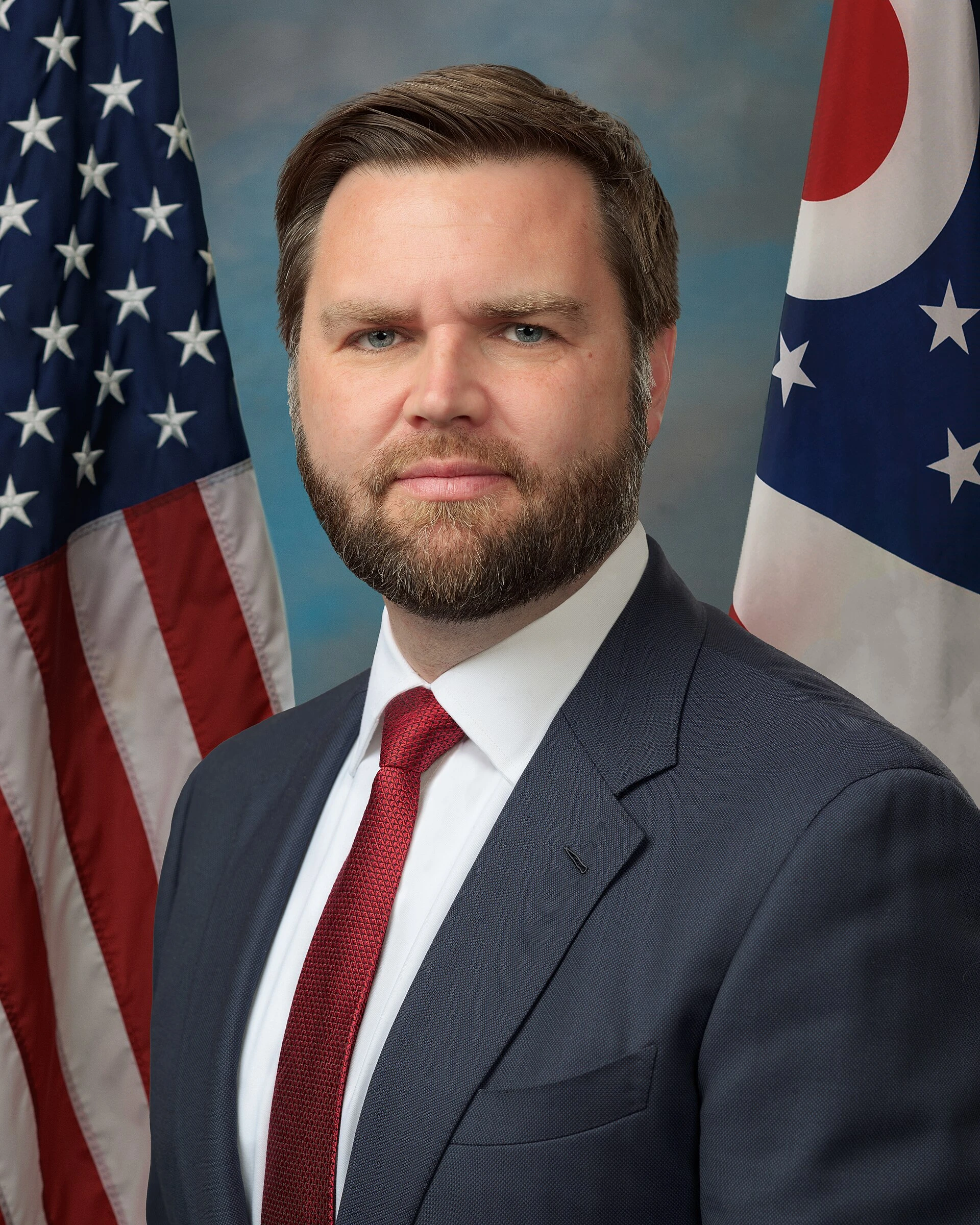
The White House said the U.S. delegation was prepared to depart at the first available opportunity, underscoring that officials still want to move quickly into technical talks. At the same time, Congress was being briefed on the Iran agreement as lawmakers reacted to the deal and some Republicans complained they had not received the memorandum of understanding sooner. That combination of urgency, uncertainty and internal scrutiny shows a diplomatic opening still in formation, with Washington trying to keep the talks on track while managing skepticism at home.
Sources
- [1]cbsnews.com
- [2]abcnews.com
- [3]france24.com
- [4]aol.com
- [5]politico.com