World
Vance expects Iran talks soon as Guards claim Hormuz closed
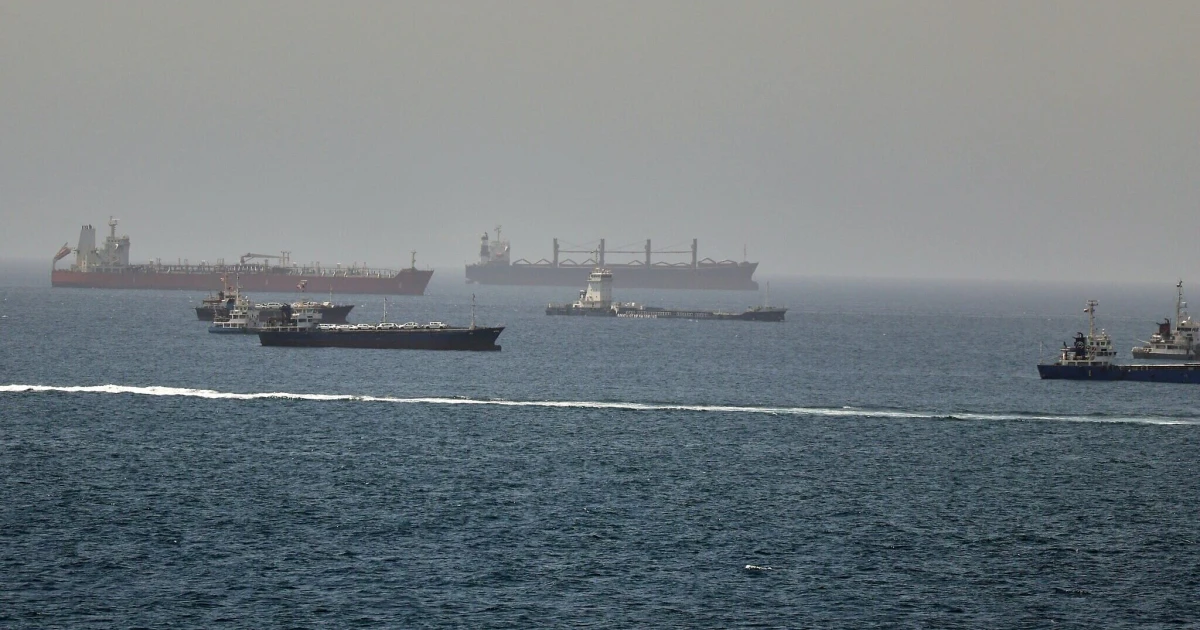
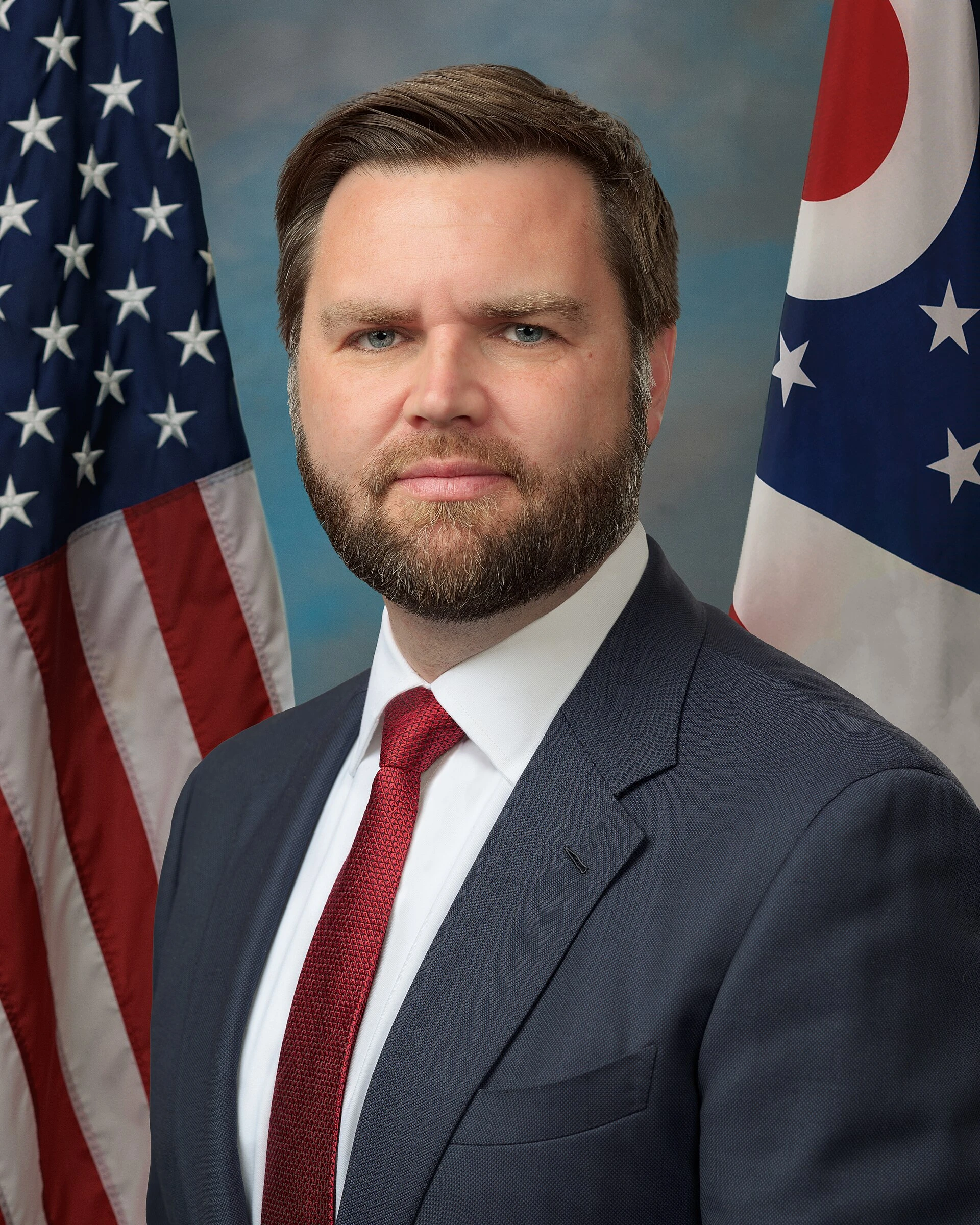
JD Vance said he expected to travel to Switzerland soon for talks with Iran even as the Islamic Revolutionary Guard Corps declared the Strait of Hormuz shut and warned ships not to approach. The split message turned the opening of diplomacy into a test of whether negotiations could advance while Tehran signaled it might squeeze the world’s most important oil chokepoint.
U.S. Central Command said the Strait of Hormuz remained open to commercial traffic and that traffic continued to flow. Vance said he saw no evidence the waterway had been closed and said tanker traffic had rebounded sharply after the ceasefire, adding that the United States had moved 16 million barrels through the strait in the previous 24 hours. The military posture around the corridor underscored the immediate stakes for U.S. readers: if traffic slows, shipping costs, fuel markets and regional force protection all move at once.
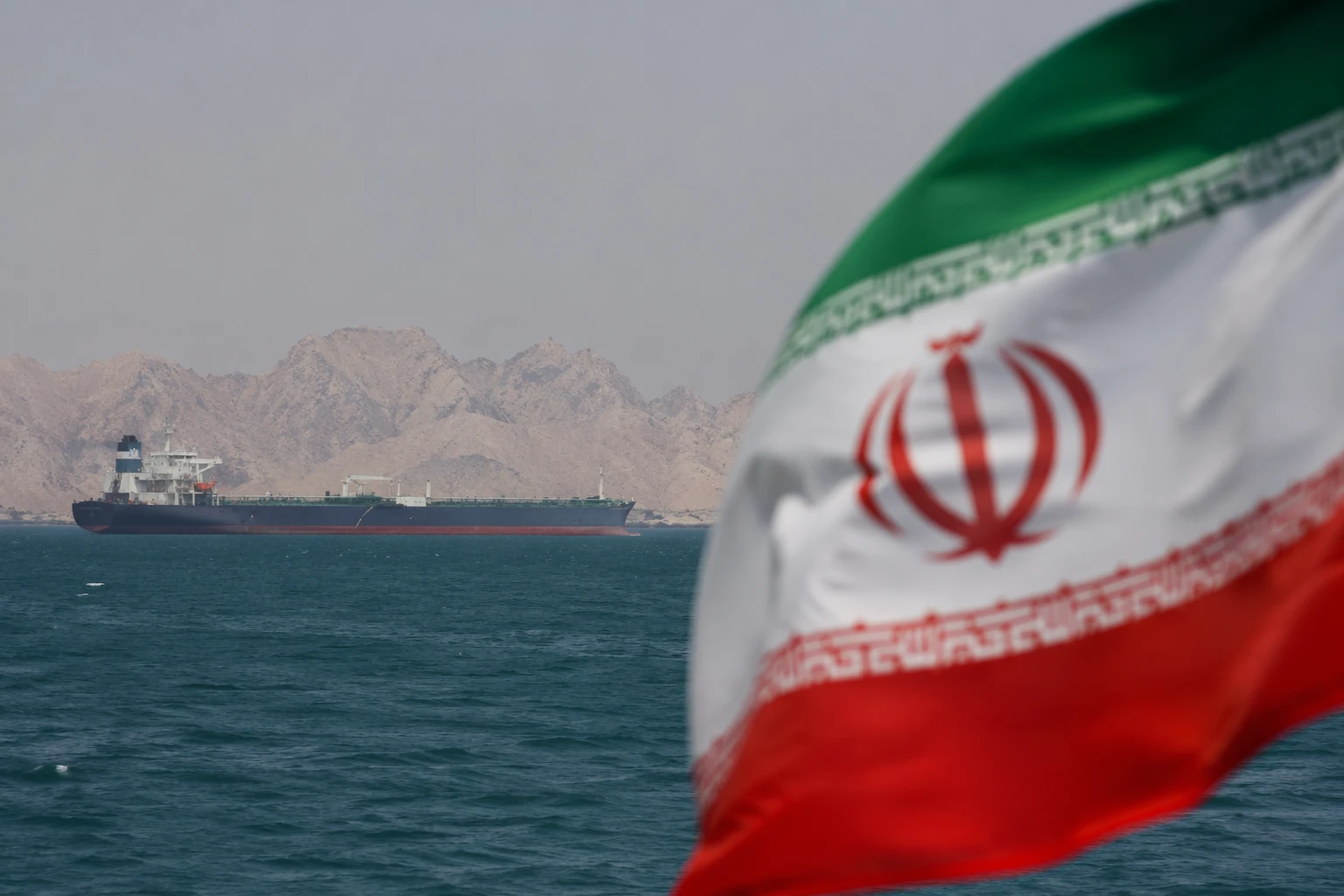
The talks were due to begin Sunday in Bürgenstock, Switzerland, with U.S. and Iranian delegations and Pakistan and Qatar acting as mediators. Vance said Jared Kushner and Steve Witkoff had already been in Switzerland handling technical elements of the negotiations. The interim deal signed Wednesday by Donald Trump and Masoud Pezeshkian gave the two sides 60 days to work through unresolved issues, including Iran’s nuclear program, and the International Atomic Energy Agency was expected to join technical discussions on inspection verification and the downblending of Iran’s enriched uranium.
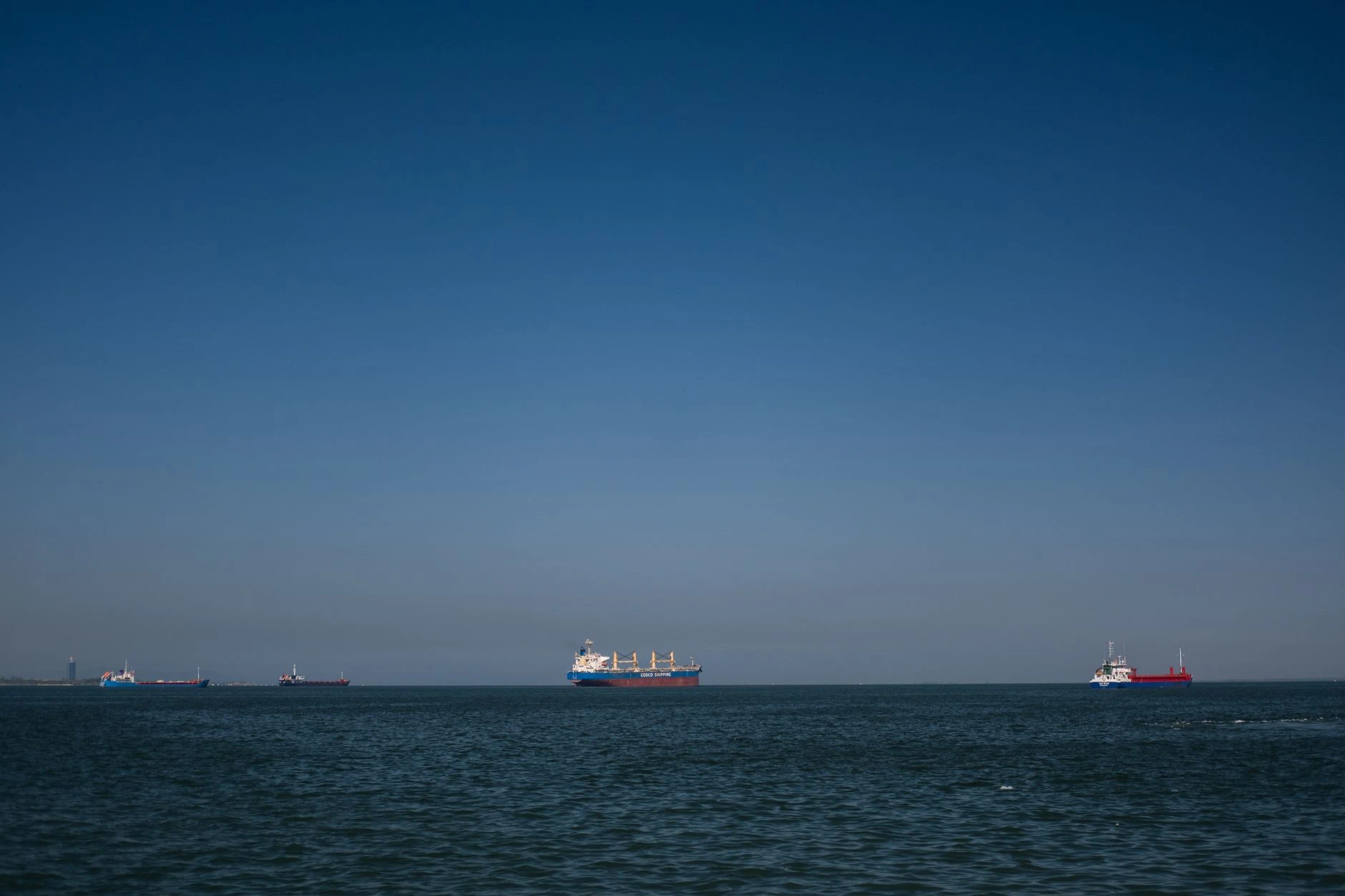
The Guard’s warning came as its leaders tied the strait claim to what they called Israeli “crimes” in Lebanon and a U.S. violation of commitments to establish a ceasefire. The backdrop remained volatile: Lebanese Civil Defence said Israeli strikes in Lebanon killed at least 16 people on Saturday after a truce with Hezbollah took effect, while other reports put the toll higher, including children. Israel said it was responding to Hezbollah attacks and said it would keep forces in Lebanese territory it occupies, and Hezbollah said it would not allow Israel “freedom of movement” in Lebanon. With the ceasefire fragile and the strait at the center of the message, the talks opened under pressure from both the battlefield and the energy market.
Sources
- [1]news.google.com
- [2]msn.com
- [3]cbc.ca
- [4]cbsnews.com
- [5]usnews.com
- [6]cnbc.com