World
Vance says US has all the cards in Iran negotiations
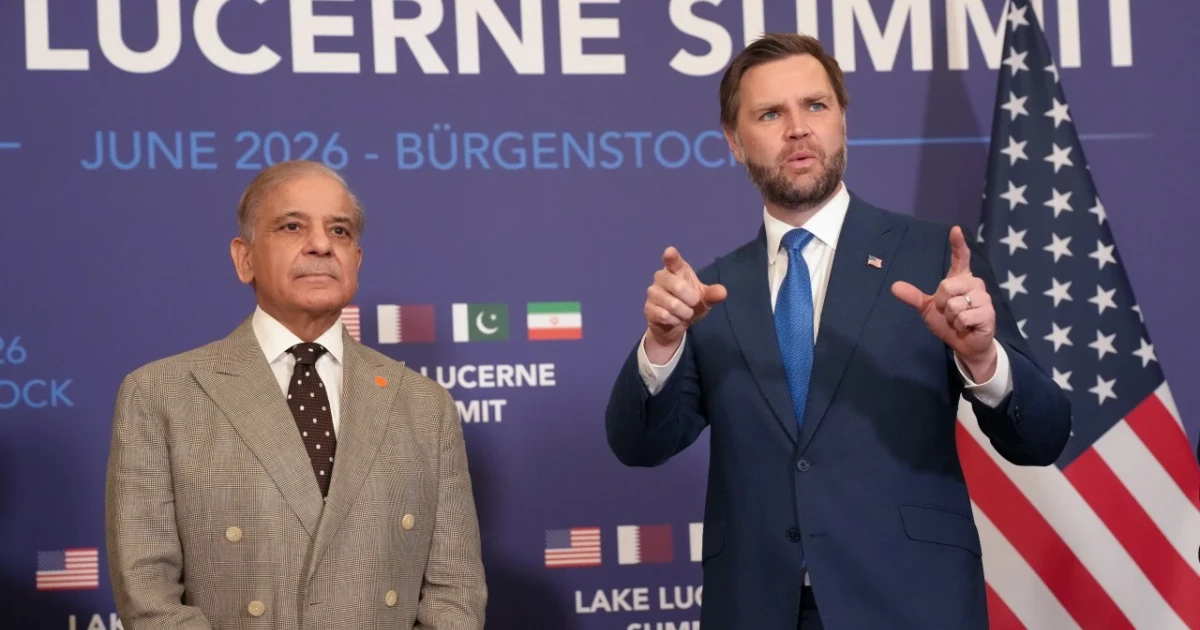
Vice President JD Vance said the United States had “all the cards in the negotiation” with Iran even as the administration’s interim framework left the hardest questions unresolved, from nuclear monitoring to sanctions relief. The message was meant to project leverage, but the deal’s practical test is whether it can keep inspectors in Iran, protect shipping through the Strait of Hormuz, and avoid a wider regional flare-up.
Vance had already said on June 15 that there were “a lot” of details still to be negotiated, then said on June 17 that the full text would be released by Friday “at the latest.” He also denied claims that Iran would receive “billions of dollars of assets” under the agreement. On June 22, after what he called a “very, very good” first day of talks in Switzerland, he said Iran had agreed to let international nuclear inspectors back into the country.
That inspection pledge has remained one of the sharpest points of dispute. Iran initially denied making any new commitment on inspectors, then said some sites would remain off-limits until a final deal and sanctions relief were in place. Rafael Grossi, the head of the International Atomic Energy Agency, said on June 24 that inspections in Iran would go ahead and that the agency was working on the modalities. Reuters later reported that the interim accord gave U.N. nuclear inspectors access to Iran.
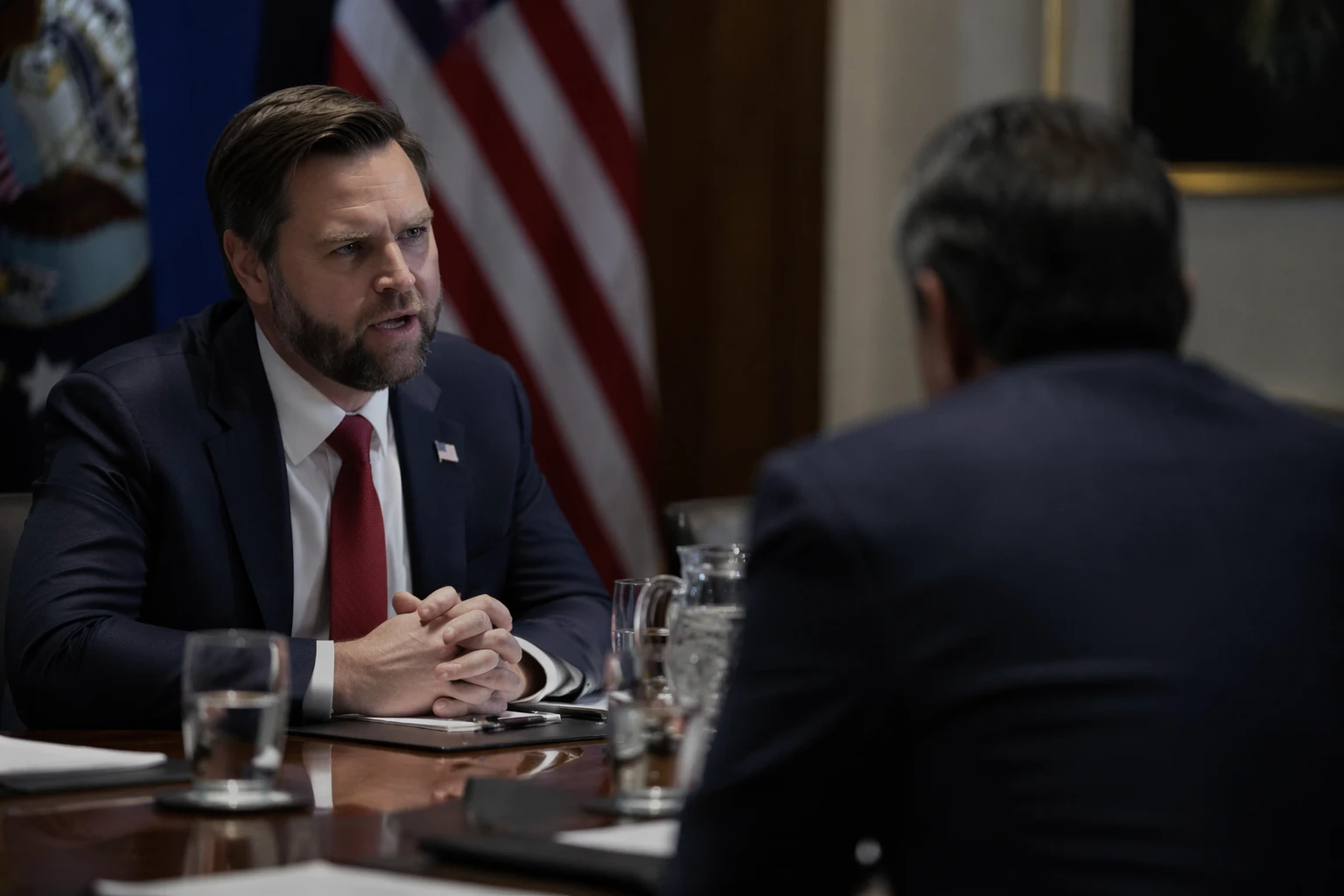
The talks have also widened beyond the nuclear file. U.S. and Iranian officials held technical discussions in Doha on July 1 focused on the Strait of Hormuz and a lasting ceasefire, and Reuters reported that the sides had signed a memorandum of understanding that opens 60 days of talks on thornier issues, including Iran’s nuclear program. That matters far beyond diplomacy: the Strait of Hormuz is a vital global shipping route, so any collapse in the talks could threaten oil flows, lift energy prices, and raise the risk of retaliation that could pull U.S. forces and regional allies closer to direct conflict.
Aaron MacLean, CBS News’ national security analyst and a columnist for The Free Press, has argued in recent commentary that the negotiations remain difficult and the ceasefire environment is fragile. In that setting, success would mean more than a headline about leverage. It would mean inspectors on the ground, a ceasefire that holds, and enough restraint around the Strait of Hormuz to keep the crisis from spreading into a broader war.
Sources
- [1]cbsnews.com
- [2]usnews.com
- [3]reuters.com