World
Vance says U.S. will release Iran deal text this week
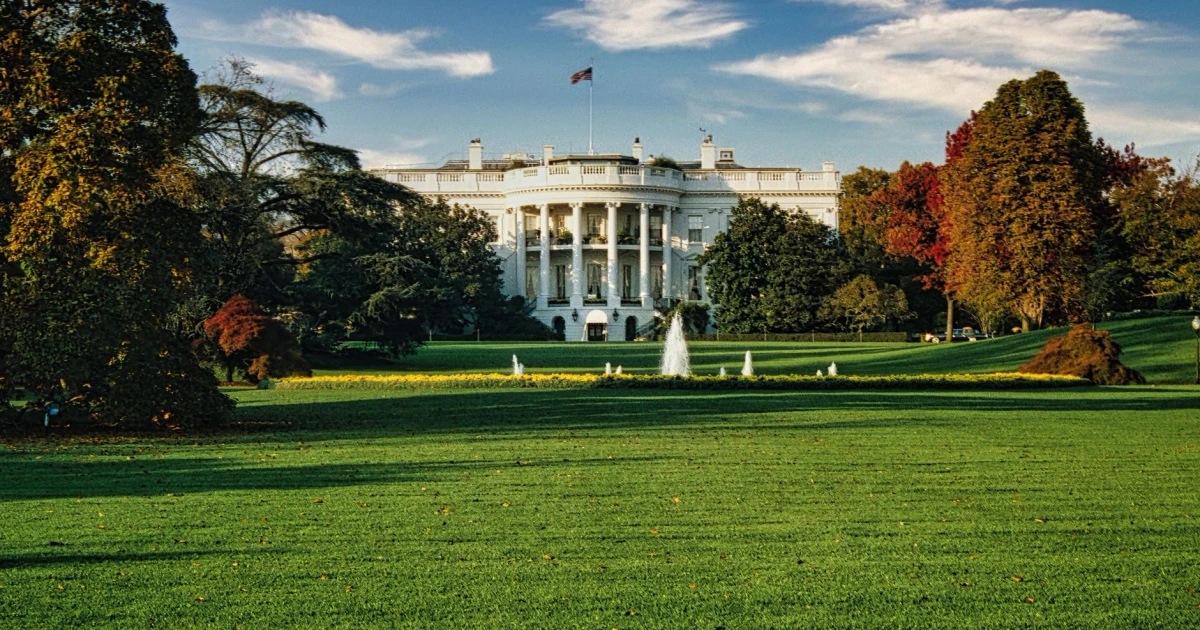
Vice President JD Vance said the administration planned to release the full text of the U.S.-Iran agreement this week, a step that would clarify a framework meant to end the war and reopen the Strait of Hormuz. He said the United States expected the waterway to reopen in a long-term “toll-free” way, even as shipping groups warned that the arrangement remained risky until the terms were spelled out.
The announcement came with the most important details still unresolved. The framework leaves Iran’s nuclear program to follow-on talks, and the draft terms have also pointed to the possible release of frozen Iranian assets and a waiver of sanctions on Iranian oil exports. A formal signing was expected later in the week, but the questions that matter most to markets and inspectors were still hanging over the deal: what exactly is in the text, how compliance will be judged, and what happens if Washington and Tehran disagree.
Those concerns grew more urgent after the International Atomic Energy Agency’s Board of Governors adopted a June 10 resolution calling on Iran to declare its enriched uranium stockpiles and allow inspections. The fate of Iran’s nuclear material remains central to the talks, with discussions focused on whether highly enriched uranium would be diluted inside Iran and how the stockpile would be handled during a 60-day negotiating period. Without a clear inspection and enforcement structure, the agreement risks leaving the most sensitive parts of the deal open to dispute.
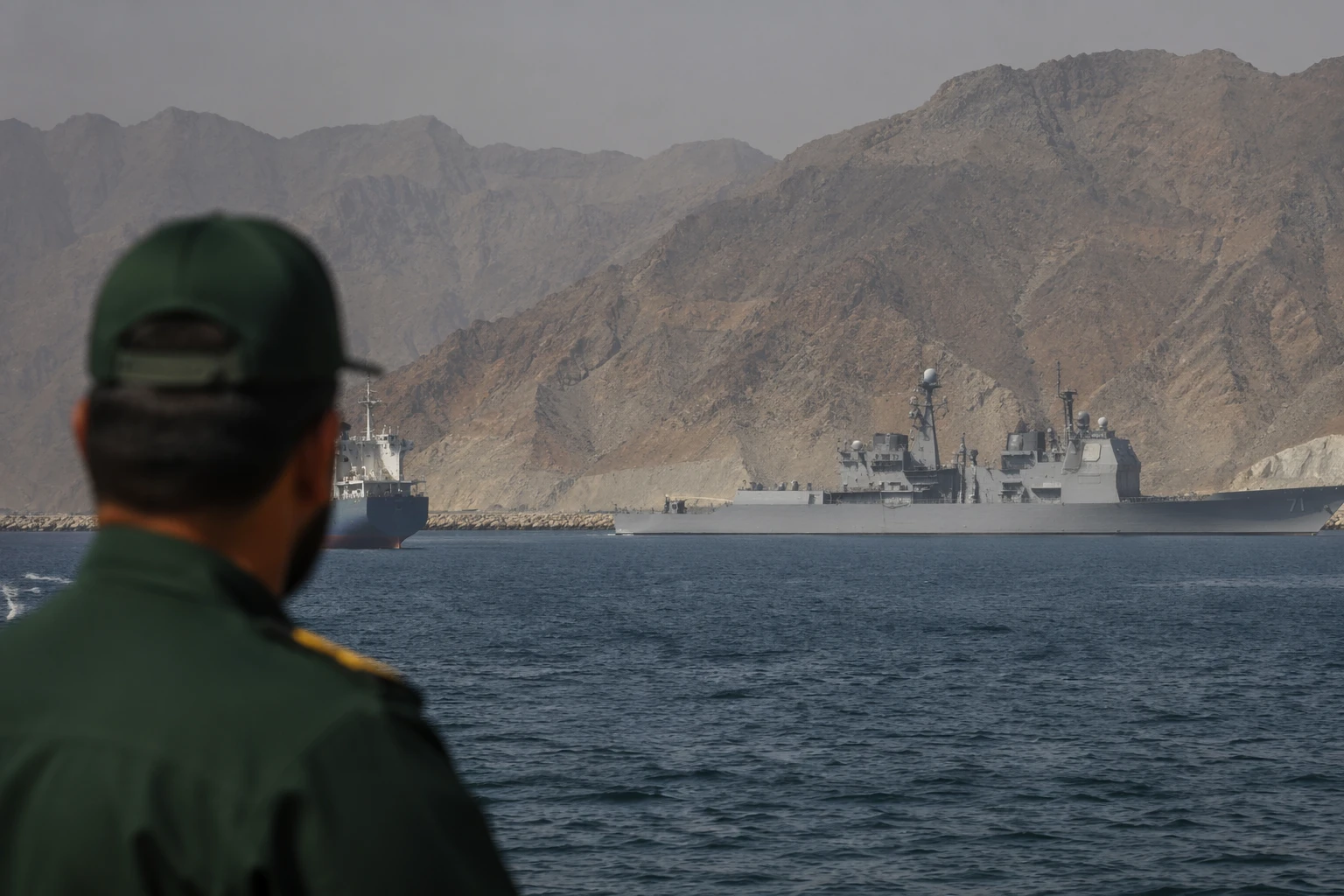
The stakes extend far beyond diplomacy. The Strait of Hormuz carried an average of 20 million barrels per day of crude oil and oil products in 2025, according to the International Energy Agency, and the U.S. Energy Information Administration said oil flow through the strait averaged 20 million barrels per day in 2024, or about 20% of global petroleum liquids consumption. At its narrowest point, the strait is only 29 nautical miles wide, with two 2-mile navigable channels, leaving little room for error if traffic is disrupted.
Oil prices fell after the deal announcement, reflecting immediate market relief, but the shipping industry’s caution suggests the relief could be temporary. Iran-aligned and regional officials have signaled that broader issues, including Lebanon and sanctions relief, may still shape the final agreement. Until the text is public and the enforcement terms are clear, the deal’s biggest test will be whether either side can prove the other is complying.
Sources
- [1]cbsnews.com
- [2]cnbc.com
- [3]iea.org
- [4]eia.gov
- [5]reuters.com
- [6]al-monitor.com
- [7]ir-ia.com