Politics
Vance says Watergate would be a 12-hour news story today
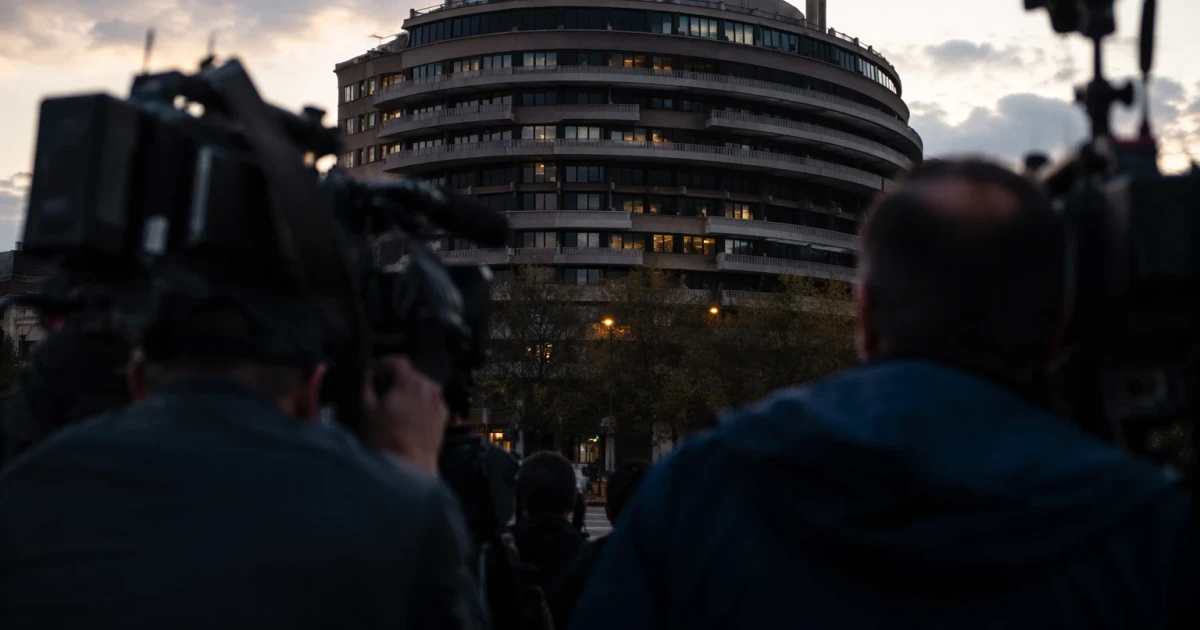
J.D. Vance said at the Nixon Library that Watergate would be a “12-hour news story” today, arguing that the scandal that drove Richard Nixon from office would be swallowed by the modern news cycle and that the idea it would have brought down a presidency is “crazy.” He also said Nixon’s legacy is “enjoying a bit of a renaissance” and drew parallels between Nixon and Donald Trump.
Watergate began with the June 17, 1972 break-in at Democratic National Committee headquarters in the Watergate complex in Washington, D.C. Five men were arrested for burglary and illegal wiretapping. The scandal deepened as the Senate Watergate hearings ran from May 17, 1973, to November 15, 1973, after the reporting of Bob Woodward and Carl Bernstein raised questions about links between Nixon’s reelection campaign and the men awaiting trial. The House Judiciary Committee adopted articles of impeachment on July 27, 1974, charging obstruction of justice, abuse of power and contempt of Congress.
The public saw the scandal through a national lens that is much harder to recreate now. The Senate hearings were carried gavel-to-gavel on public television, turning Watergate into a shared political event rather than one scattered across competing media feeds. Nixon announced his resignation in a televised address on August 8, 1974, and it became effective on August 9, 1974, after Henry Kissinger initialed the resignation letter at 11:35 a.m. The National Archives says White House chief of staff Alexander Haig presented the letter to Nixon that morning.

The political climate around scandal has shifted as trust in institutions has eroded. Pew Research Center says trust in the federal government fell in the 1970s amid Vietnam and Watergate and remains near historic lows. Gallup says trust in the mass media was 68% to 72% in the 1970s, but has since fallen to trend lows in recent years. Those numbers help explain why revelations that once could dominate public life now fight through a fractured media environment in which partisan audiences are more likely to sort scandal by tribe than by shared outrage.
Vance’s remarks put Watergate back into circulation less as a benchmark for presidential misconduct than as a test of whether today’s media system can still produce the kind of concentrated accountability that forced Nixon out. In 1974, a break-in, televised hearings and a resignation letter were enough to break a presidency in public view. In 2026, even a scandal of that scale would have to compete with a far more fragmented electorate.
Sources
- [1]nytimes.com
- [2]apnews.com
- [3]senate.gov
- [4]americanarchive.org
- [5]archives.gov
- [6]pewresearch.org
- [7]news.gallup.com