World
Vance to brief reporters as U.S., Iran sign tentative peace deal
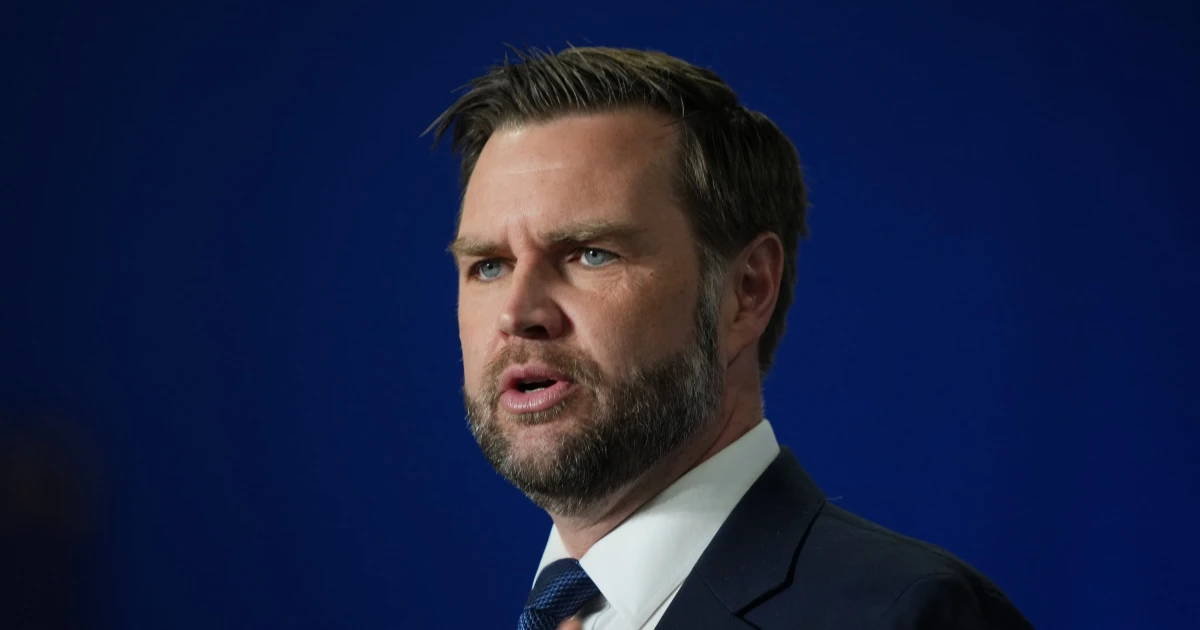
A tentative U.S.-Iran agreement sent oil markets lower and raised hopes that tankers could move more freely through the Strait of Hormuz, but the relief may prove temporary if the harder nuclear issues unravel. Vice President JD Vance was set to brief reporters at the White House as the Trump administration tried to sell the deal as a breakthrough while conceding that major details still had to be worked out.
The accord is being described by U.S. and Iranian officials as a 14-point memorandum of understanding and a 60-day runway for further negotiations, not a final peace settlement. The draft framework would require Iran to dilute its stockpile of highly enriched uranium, while the United States would waive oil sanctions for a specified period so Tehran could resume selling oil and collecting revenue.
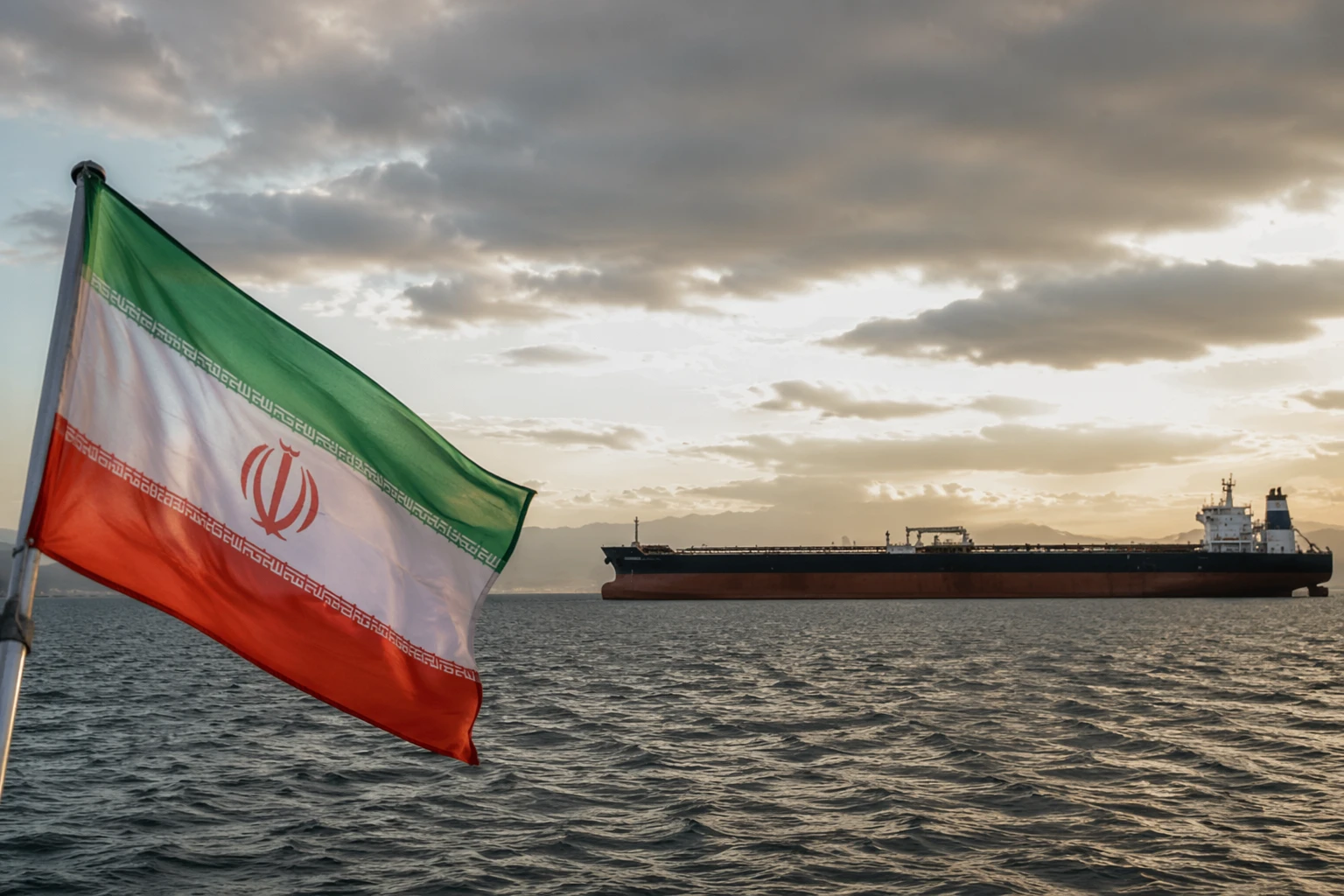
That immediate economic opening is tied to the Strait of Hormuz, the narrow waterway that carries one of the world’s most sensitive energy flows. The International Energy Agency says an average of 20 million barrels per day of crude oil and oil products passed through the strait in 2025, while the U.S. Energy Information Administration said flows there accounted for more than one-quarter of global seaborne oil trade and about one-fifth of global oil and petroleum-product consumption in 2024 and the first quarter of 2025.
Reuters-based reporting said the initial framework also includes a U.S. lift of its naval blockade on Iranian ports. Other elements remain in flux, including a reported proposal to release $25 billion in frozen Iranian assets, which some accounts said was still under discussion.

Markets have already reacted to the possibility of renewed shipping, with Middle Eastern crude prices falling on expectations that the strait could reopen. But shipping executives and analysts warned that a full restart could take weeks because of port backlogs, security checks, and unanswered questions about permissions, tolls, foreign naval escorts, and whether vessels must clear mines or other residual risks before resuming transit.
Trump said the deal was signed, but the administration has also said technical issues still need to be resolved before any long-term settlement is reached. Vance, echoing that caution, said there were still “a lot” of details left to iron out and said the United States had “all the cards” in the next round of talks.
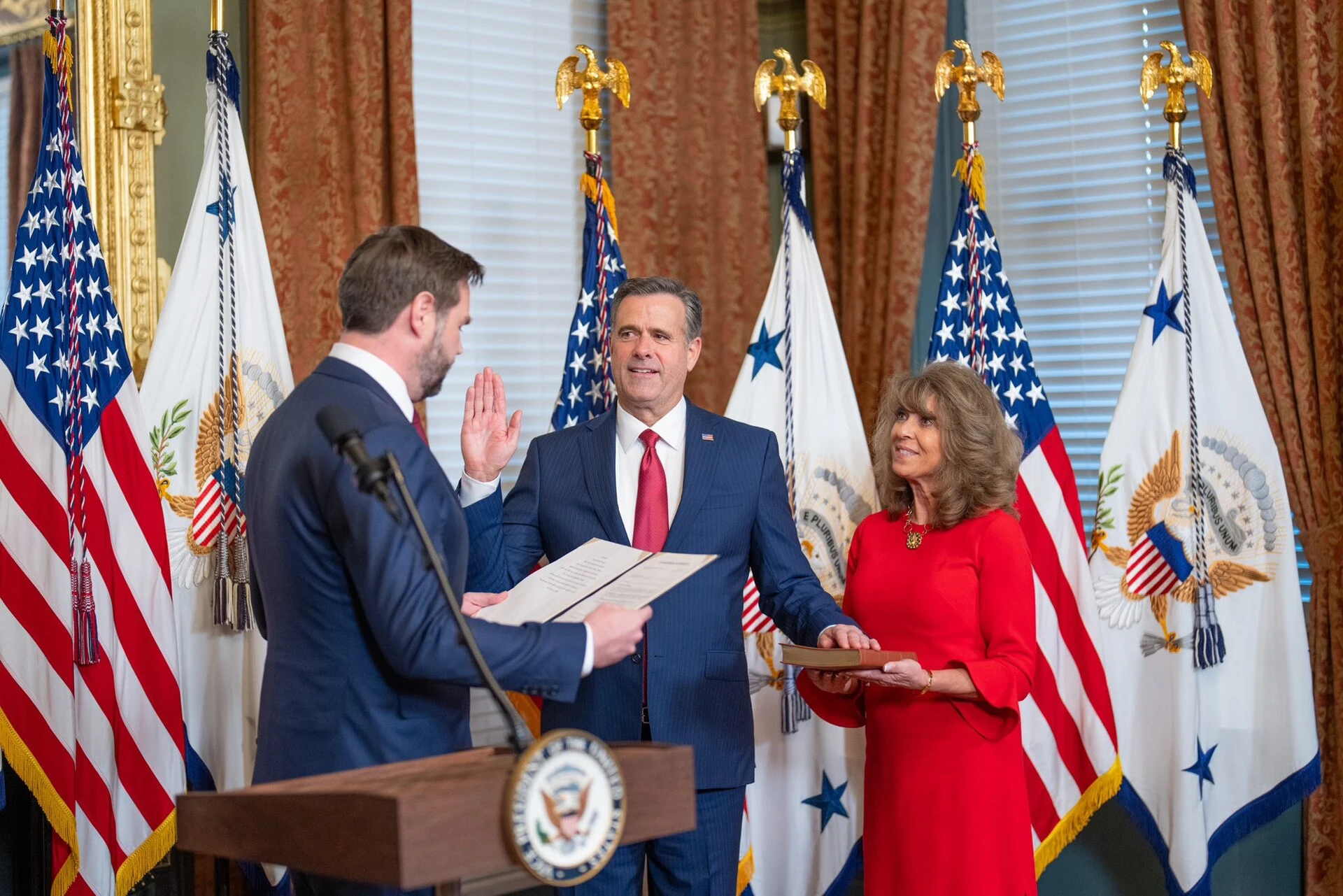
The broader stakes extend well beyond diplomacy. A sustained reopening of Hormuz could ease pressure on fuel costs and help calm inflation risks, but a false start could quickly revive the supply shock that households, shippers and manufacturers fear most. For now, the agreement has created a narrow opening, not a lasting peace.
Sources
- [1]nytimes.com
- [2]cnbc.com
- [3]iea.org
- [4]eia.gov
- [5]usnews.com
- [6]reuters.com