World
Vance touts progress with Iran as Switzerland talks begin

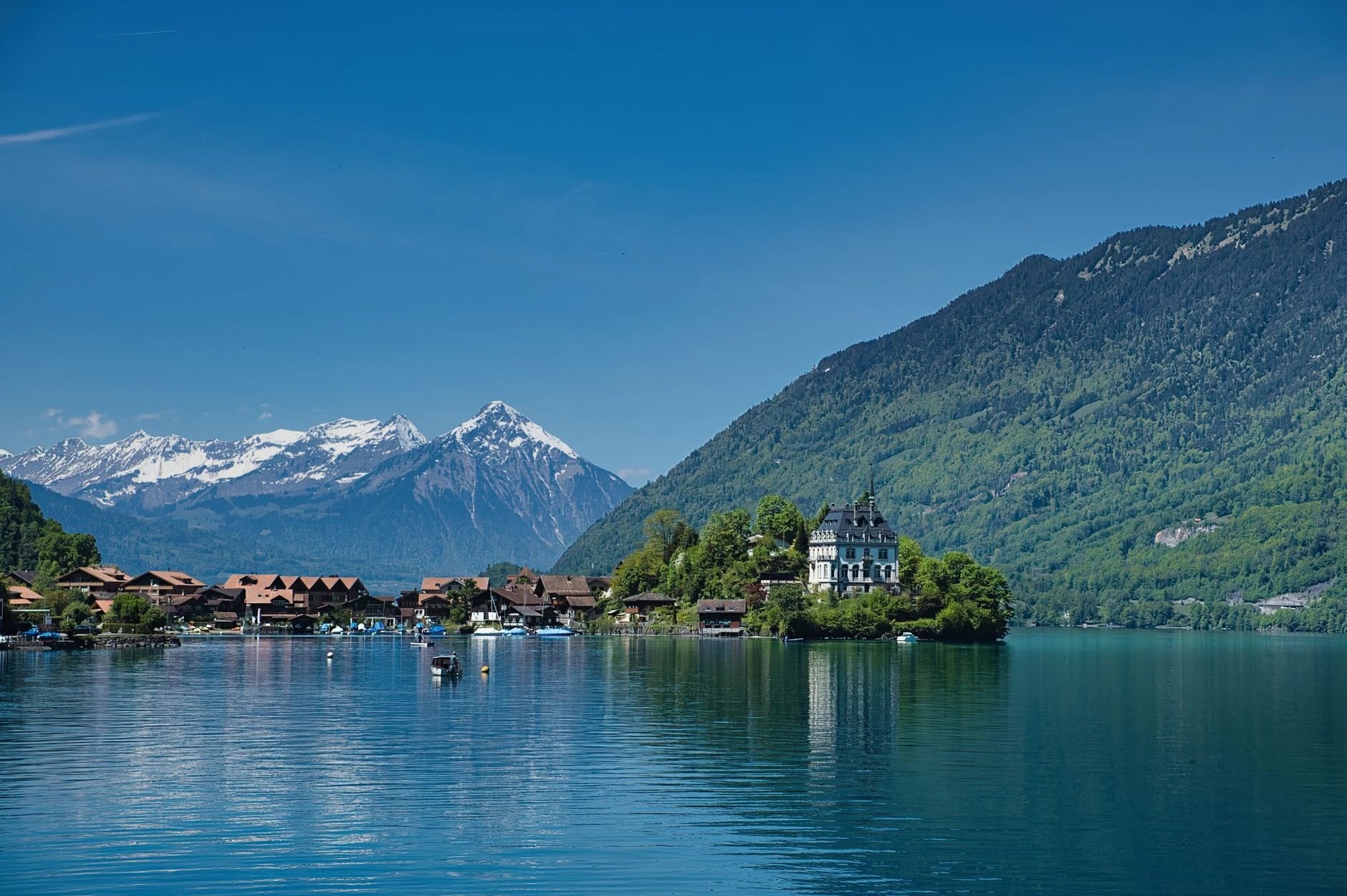
Vice President JD Vance projected confidence as U.S. and Iranian officials opened talks at the Bürgenstock resort in Obbürgen, near Lucerne, with Pakistan and Qatar positioned in the middle of the room. The unusual lineup suggested a process built as much on intermediaries as on direct diplomacy, with Washington and Tehran trying to turn a fragile interim deal into something operational.
The talks were aimed at hammering out the technical details of a framework signed the previous week, a 60-day sprint that is meant to end the Iran war and keep the Strait of Hormuz open. That narrow corridor has become central to the negotiations because any renewed disruption would threaten one of the world’s most important shipping lanes and add another layer of uncertainty to already tense regional markets.
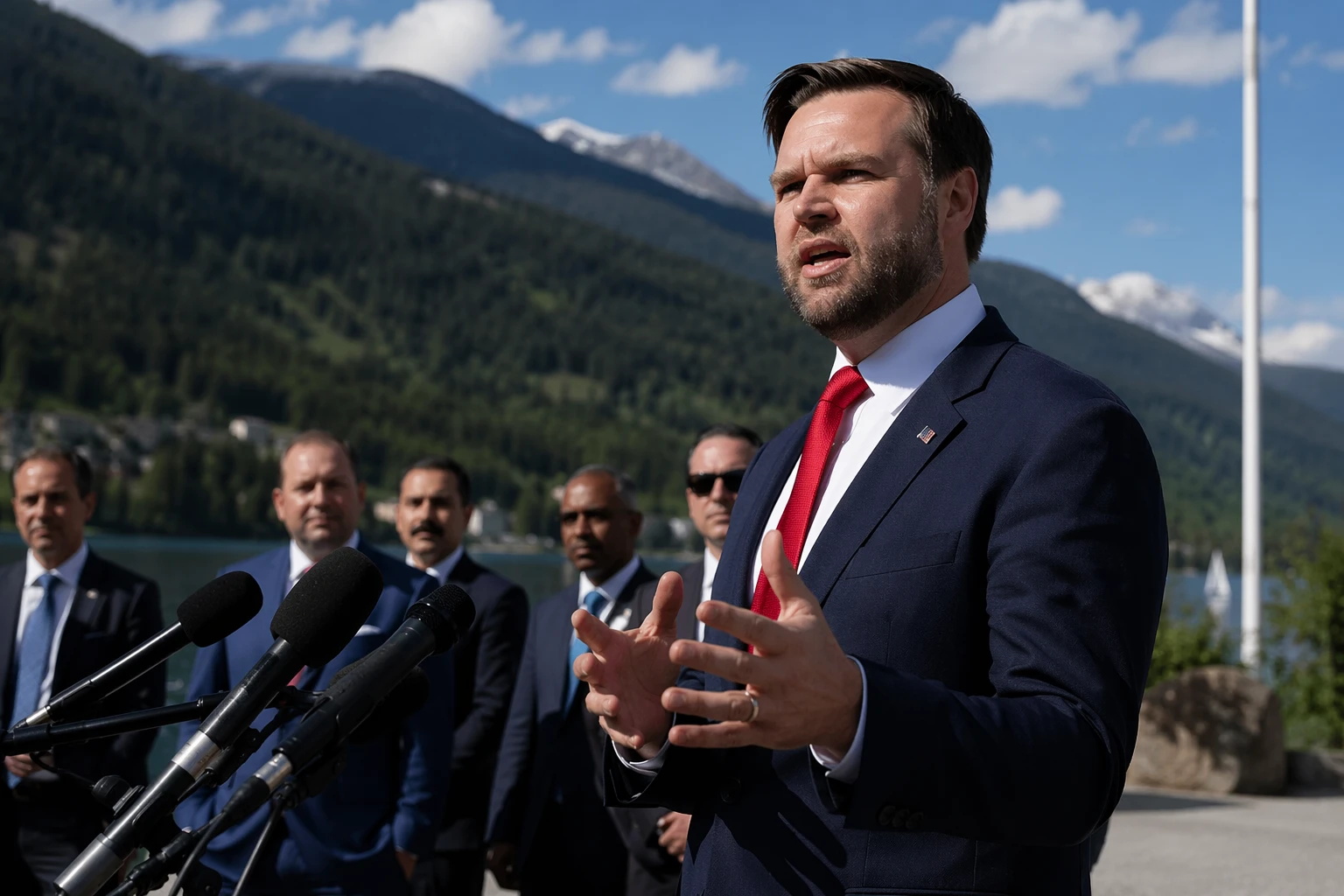
Vance stood alongside Pakistani Prime Minister Shehbaz Sharif and Qatari Prime Minister Sheikh Mohammed bin Abdulrahman bin Jassim Al-Thani before the broader quadrilateral meeting involving the United States, Iran, Pakistan and Qatar. The choreography was significant: Pakistan and Qatar were not just ceremonial presences, but active mediators, giving each side a channel to test positions without forcing a direct political embrace between Washington and Tehran.
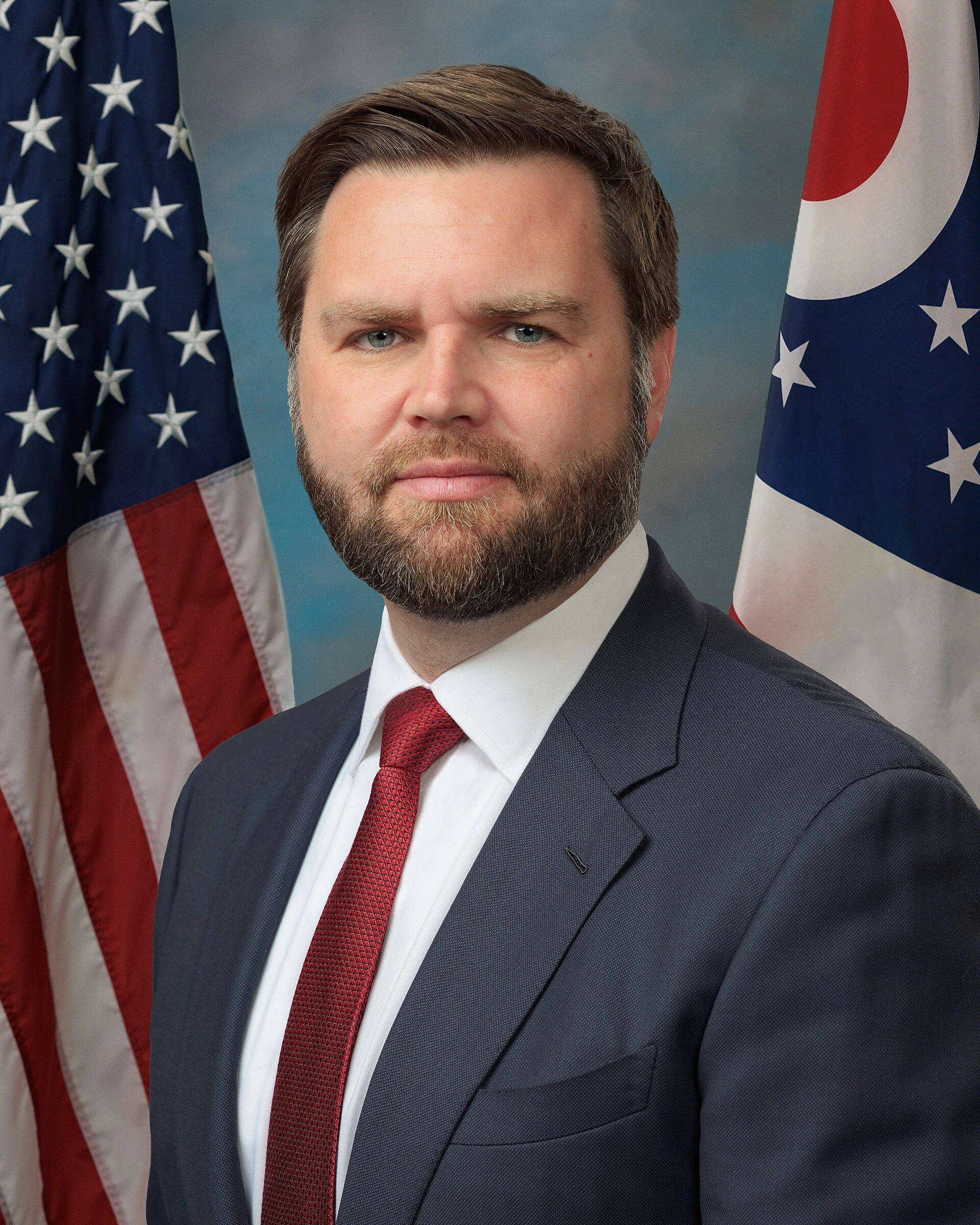
Shehbaz Sharif met Vance on the sidelines, and Pakistani reporting said the prime minister arrived in Switzerland with Field Marshal Syed Asim Munir. Sharif’s office said he hoped the negotiations would deliver peace, progress and prosperity. When asked about Pakistan’s role, Vance responded that the United States “love[s] Pakistan,” a line that underscored how much Washington was leaning on Islamabad as a broker in a volatile regional standoff.
Qatar’s foreign ministry said the negotiations had begun, reinforcing the sense that the process was moving from preparation to formal launch. Yet the setting also revealed the limits of the moment. With heightened uncertainty hanging over the Strait of Hormuz, the presence of Pakistan and Qatar pointed to a negotiation structure designed to reduce friction, manage message traffic and keep momentum alive. Whether that becomes a durable channel with Iran, or only a public display of forward motion, will depend on whether the next 60 days produce concrete terms instead of diplomatic theater.
Sources
- [1]cbsnews.com
- [2]apnews.com
- [3]usnews.com
- [4]dawn.com
- [5]aljazeera.com
- [6]tribune.com.pk
- [7]msn.com