Politics
Vance’s Communion reignites debate over faith, politics and ambition
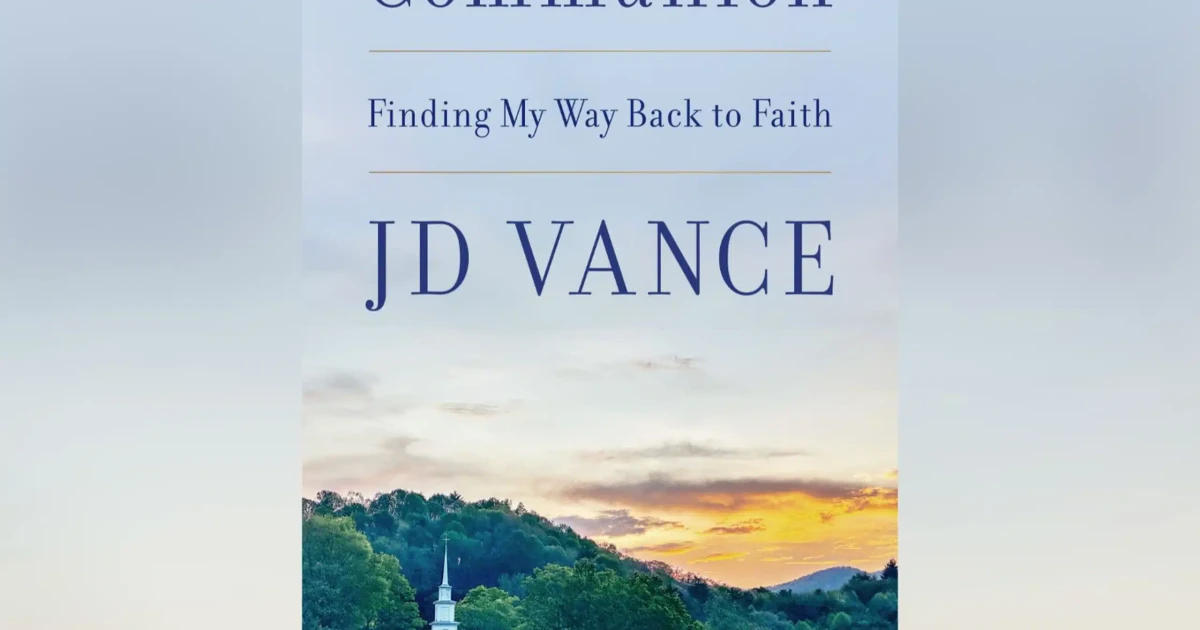
JD Vance is using his new book to present a sharper, more disciplined version of himself, one that blends religious conversion, family life and political reinvention into a single argument about who he is now. “Communion: Finding My Way Back to Faith” arrives as both a personal memoir and a public signal, inviting readers to see the vice president not as the combative populist of his earlier phase, but as a Catholic convert with a message about repentance, maturity and future leadership.
A memoir built for political reading
Harper published the book on June 16, 2026, after announcing it on March 31, 2026. HarperCollins says the project was negotiated through Jonathan Burnham, president and publisher of the Harper Group, with North American rights handled by WME, underscoring that the rollout was managed as a major commercial and political release, not a quiet personal reflection. It is Vance’s first book since “Hillbilly Elegy,” which came out in 2016 and became a breakout best seller for him.
That earlier memoir established Vance as a national figure by turning his upbringing into a story about class, family breakdown and upward mobility. HarperCollins said “Hillbilly Elegy” sold more than five million copies globally and spent more than 200 weeks on The New York Times bestseller list. “Communion” arrives with that precedent hanging over it, but the new book shifts the emphasis from social diagnosis to spiritual autobiography, and from private struggle to public identity.
The version of Vance he wants voters to see
The central image in this book is not the iconoclastic Trump-era provocateur, but a man who says he found his way back to faith. HarperCollins described the memoir as an intimate account of why Vance drifted from the Christianity of his youth and what led him back, and the book traces a path from Protestant Christianity to atheism and then to Catholicism. Vance joined the Catholic Church in 2019 after receiving private instruction from Dominican priests in Ohio and Washington, a detail that gives the memoir the shape of a spiritual conversion narrative with national political implications.
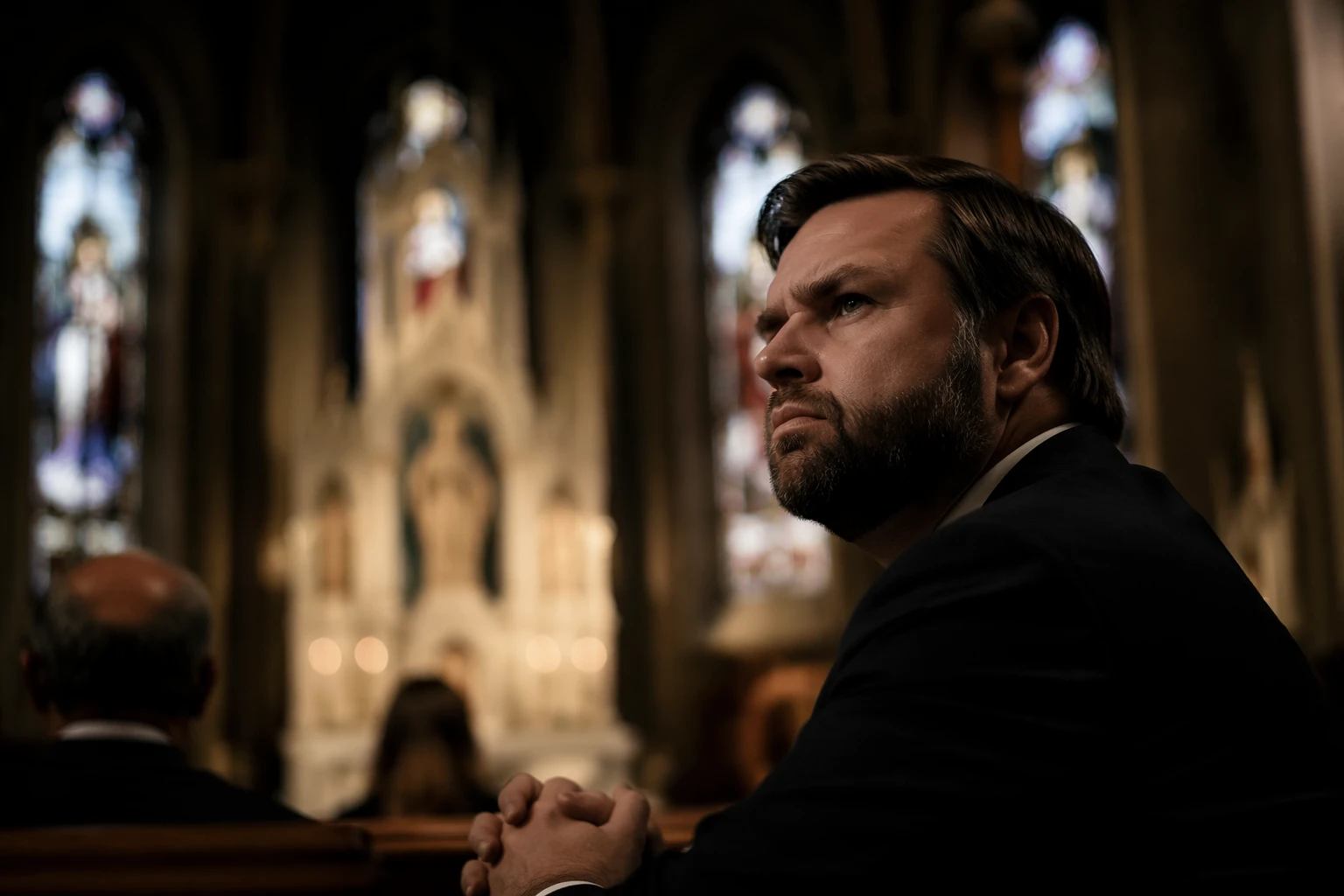
That matters because Vance is no longer just telling a story about personal belief. He is also offering a template for how he wants to be understood in office and beyond it: serious, reflective, anchored in tradition, and able to speak the language of faith while operating at the center of Republican power. The book has been described as a possible origin story for a future 2028 presidential campaign, and that framing makes every biographical turn feel like message discipline. He is not simply recounting where he came from. He is teaching readers how to interpret his motives, priorities and ambitions.
From populist critic to establishment insider
The political value of “Communion” becomes clearer when set against Vance’s earlier identities. He emerged nationally as a sharp critic of cultural and political elites, then became known as a vocal skeptic of Donald Trump before becoming Trump’s running mate. That evolution already marked him as a politician comfortable with reinvention, and the memoir extends the pattern by recasting prior positions as part of a longer search for conviction.
The book also revisits one of his most controversial remarks, his criticism of Democrats as “childless cat ladies.” Vance now acknowledges that it was a mistake, and coverage of the memoir has treated that admission as a notable effort to soften a line that became shorthand for a harsher, more culture-war driven style of politics. In political terms, that correction matters: it suggests an effort to make his rhetoric less combustible at the very moment when he may be positioning himself for a broader national role.
The new self-presentation is therefore not just religious, but strategic. Vance appears to be showing a version of himself that can satisfy multiple Republican audiences at once, the populist voters who value combat, the religious conservatives who want testimony, and the party establishment that wants a vice-presidential figure who can be turned into a future standard-bearer. That balancing act is exactly why the book is being read as more than a memoir.
Faith, family and the politics of personal disclosure
The memoir’s focus on faith is inseparable from its treatment of family life. The reporting around the book has emphasized his marriage to Usha Vance and the way the memoir uses that relationship to frame his evolution in public and private life. That is politically meaningful because modern campaign biographies increasingly function as demonstrations of personal order, emotional restraint and domestic credibility, especially for candidates who must appeal to voters suspicious of pure ideology.
The larger message is that biography has become a governing tool. By turning conversion, marriage and remorse into the core of his public story, Vance is trying to define the emotional terms on which he will be judged in future campaigns and legislative fights. He is asking voters to see not just a politician with changing views, but a man whose personal trajectory supposedly explains and legitimizes his present convictions.
Why the rollout matters now
The release itself reinforced that reading. Vance was scheduled to appear on ABC’s “The View” on June 16, 2026, to discuss the memoir, a high-visibility booking that placed him in a setting designed for scrutiny as much as promotion. That appearance signaled how seriously the rollout was being managed, especially for a book that has already drawn sharply negative reactions from some readers and reviewers in several outlets.
The debate around “Communion” is therefore about more than a book. It is about whether Vance can successfully reintroduce himself to the country as a faithful husband, a Catholic convert and a reflective political leader without erasing the harder-edged persona that helped build his rise. The answer will shape how opponents attack him, how allies market him and how voters interpret the next chapter of his career.