World
Vancouver’s Broadway Plan drives 41,500 new homes near transit
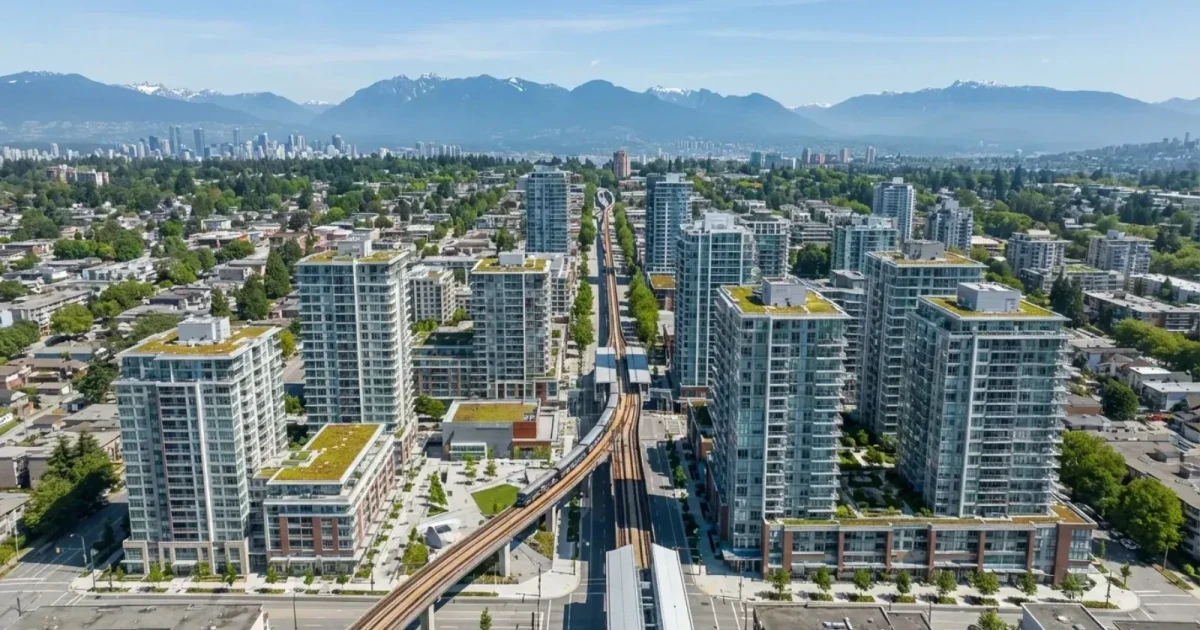
Vancouver has turned its Broadway corridor into a test case for how a housing-starved city can build near rapid transit without treating every project as a one-off fight. The city says updates to the Broadway Plan will add 41,500 new homes over 30 years, and staff reported 168 active projects already in the development pipeline, a sign that the policy is doing more than setting expectations.
A corridor built to absorb growth
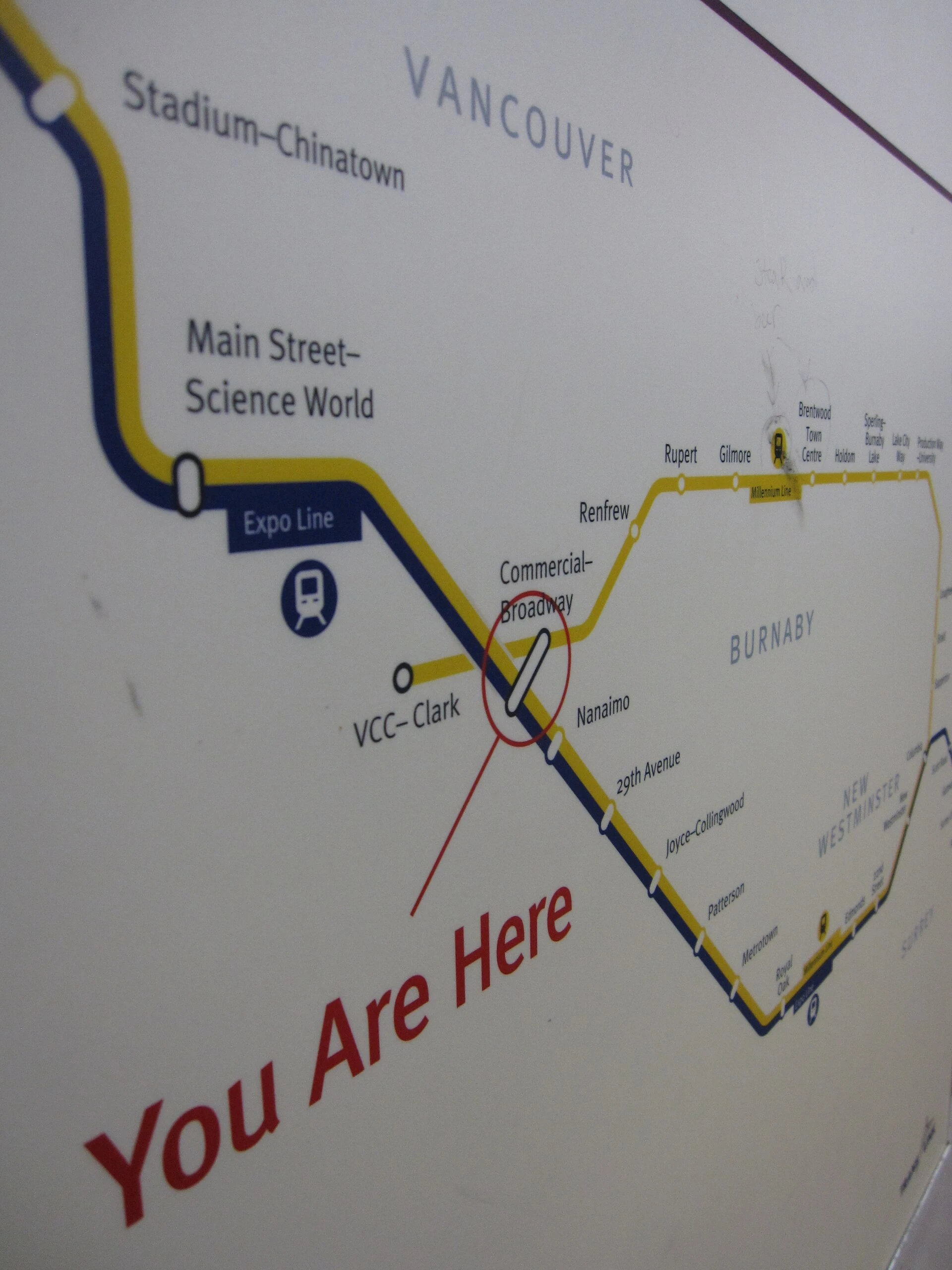
The Broadway Plan covers 860 hectares, or 2,125 acres, across 485 city blocks, stretching roughly from Clark Drive to Vine Street and from 1st Avenue to 16th Avenue. Vancouver City Council approved the plan in June 2022 as a 30-year framework to integrate new housing, job space and amenities with the Broadway Subway. That scale matters because it gives the city a single, defined geography where zoning, transit investment and development approvals can be coordinated instead of negotiated parcel by parcel.
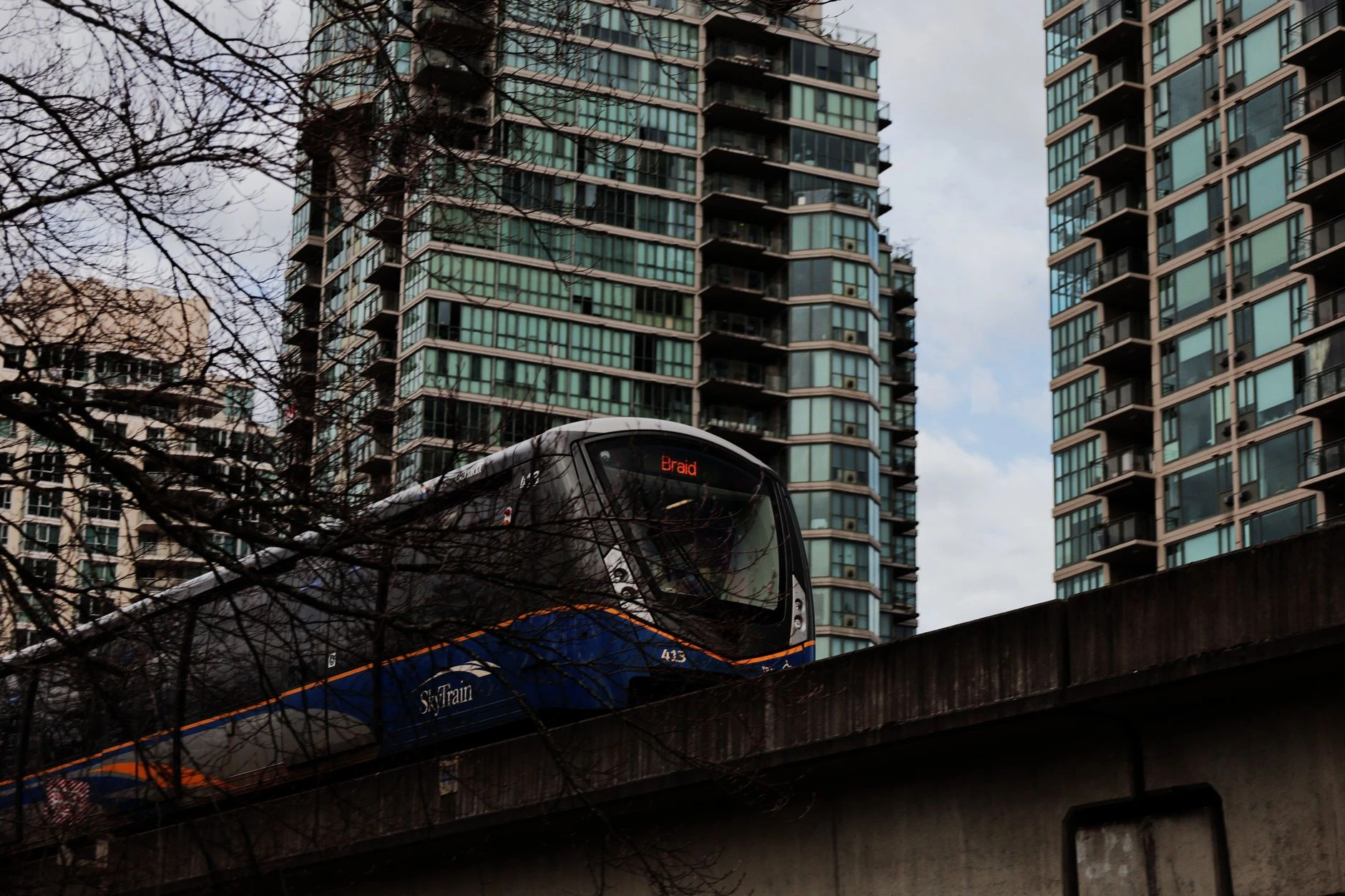
The corridor is not an empty canvas. Vancouver describes Broadway as one of North America’s busiest transit thoroughfares, served by the Broadway Subway and the 99 B-Line bus route. The city also says the 99 B-Line is already at maximum capacity for much of the day, which is exactly why planners have centered the plan on density near transit instead of pushing growth farther into lower-capacity parts of the city.
How Vancouver is making the numbers work
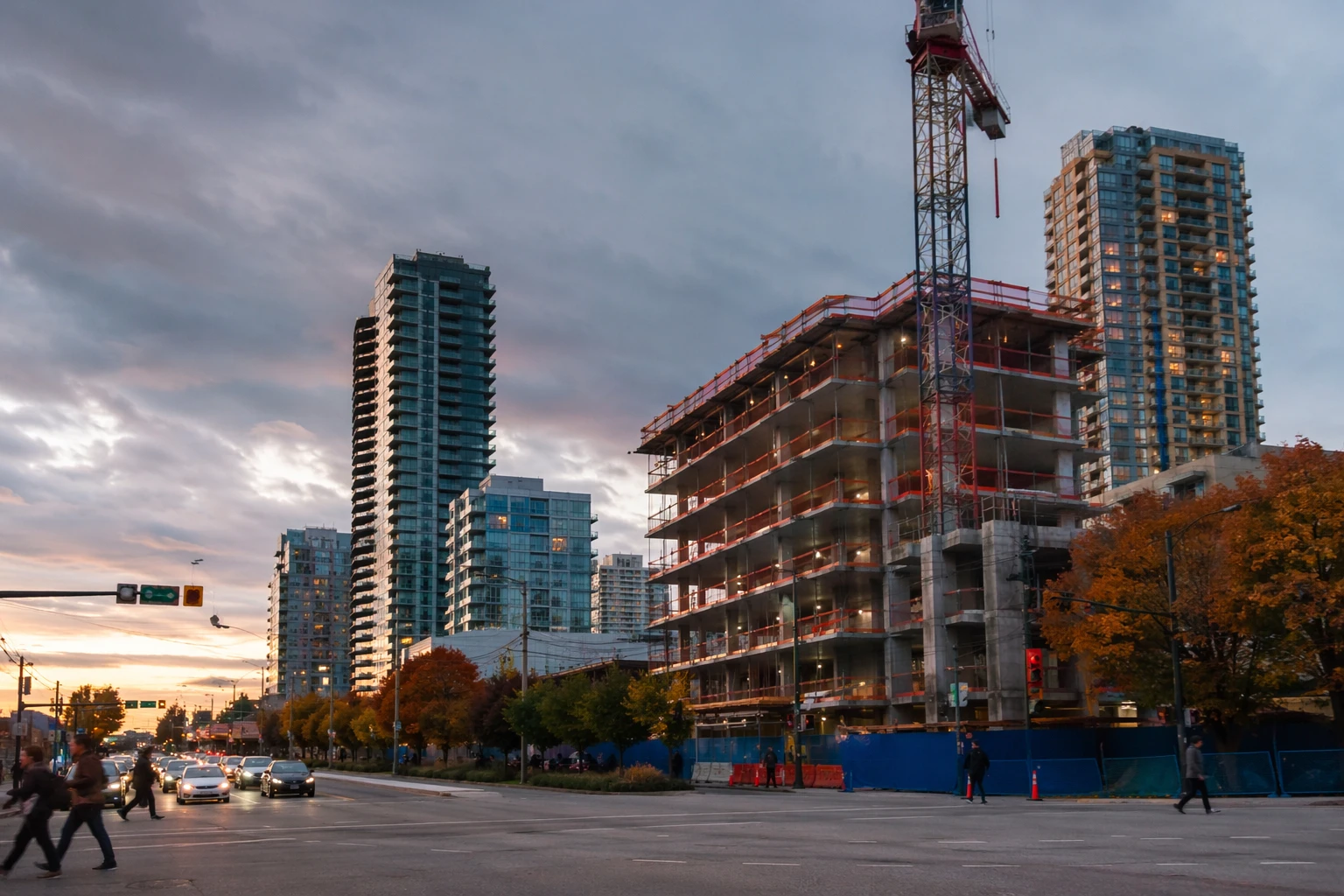
The most important change came when council approved updates to the Broadway Plan on December 13, 2024. Those updates are projected to deliver 41,500 new homes over 30 years, and they broadened the plan beyond raw housing totals to include more public space and amenities. In practice, that means the city is pairing growth with the civic features that make denser neighborhoods livable: sidewalks, open space, and the services that help new residents stay connected to work, school and care.
Vancouver also tightened the mechanism in October 2025, when council approved rezoning changes in parts of the Broadway Plan and Cambie Corridor Plan to new low-rise, mid-rise and high-rise residential district schedules. That kind of standardization is the real policy engine. Instead of making every tower or apartment block go through a bespoke political battle, the city is trying to make the rules clearer in advance so housing can move faster through the pipeline.
Why the plan became politically contentious
The Broadway Plan has also exposed the fault line that runs through most North American housing debates: people want more homes, but many do not want more height or more change in their own block. Earlier public opposition and rallies against added density showed how quickly even a transit-rich corridor can become a flashpoint when neighborhoods fear congestion, shadows or displacement.
City officials and planners have responded with a different argument, one rooted in both affordability and regional policy. They say taller buildings and more housing near rapid transit are necessary if Vancouver wants to address its housing shortage and align with provincial transit-oriented development rules. In other words, the choice is not simply between preservation and change, but between concentrating growth where transit can handle it or scattering it across the city in patterns that can worsen commutes and leave supply too thin to matter.
Housing on city land is part of the strategy
Vancouver is not relying on private development alone. In February 2025, the city launched a market rental housing strategy to develop housing on city-owned land, using public assets to push projects forward in a market where land costs often stall rental supply. One proposed Pacific and Hornby project could provide up to 1,136 market rental homes in two towers, showing how the city is trying to convert public land into visible, high-capacity housing.
That matters for social equity because the city’s broader housing strategy is no longer framed only as an abstract affordability goal. It is being operationalized through city-land rental programs and major market-rental developments, with the stated aim of making more housing available across income levels. For a city where rents and vacancy pressure can squeeze workers, seniors and families alike, the policy question is whether public land can produce enough homes fast enough to matter.
What other North American cities can actually copy
Vancouver’s Broadway Plan is not a miracle, and it is not fully portable. What is replicable is the mechanics:
• Draw a clear corridor or district and commit to it for decades, not election cycles. • Put housing growth where rapid transit already exists or is being built. • Use standardized zoning so low-rise, mid-rise and high-rise forms are pre-approved in the right places. • Treat public land as a housing tool, not a reserve to be held idle. • Pair density with amenities so growth feels like neighborhood-building, not just floor-area math.
What is harder to copy is Vancouver’s specific geography and governance. The Broadway corridor is unusually central, unusually transit-rich and anchored by a subway extension and an overloaded bus line. Vancouver also has a concentrated planning area, a city council willing to approve corridor-wide changes, and a provincial policy environment that pushes transit-oriented development. In many U.S. metros, zoning authority is fragmented, transit ridership is weaker, and public land is less available, which means the same playbook would need state and regional backing to work.
The broader lesson is that Vancouver is not waiting for the housing crisis to ease before it builds. It is using a transit corridor, a long planning horizon and standardized zoning to turn growth into policy rather than exception. If the city can keep converting approvals into actual homes, the Broadway Plan could become a model for how dense, transit-oriented housing gets done without pretending the political tradeoffs do not exist.
Sources
- [1]nytimes.com
- [2]vancouver.ca