Sports
VAR controversy at World Cup draws complaints, experts weigh in
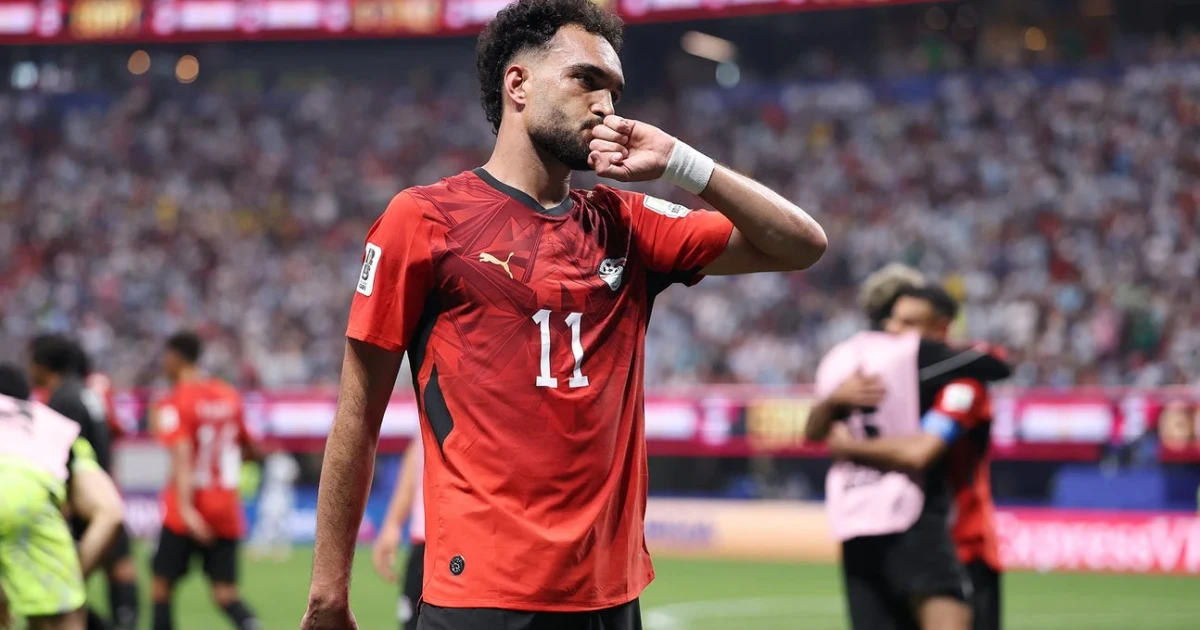
Egypt’s 3-2 loss to Argentina has become the latest flashpoint in World Cup officiating, after a VAR intervention erased Mostafa Zico’s goal and pushed the Egyptian federation to file a formal complaint with FIFA. The dispute is not just about one call. It has sharpened a broader question that follows every major tournament: when fans sense a pattern, is there actually a pattern, or just a system whose boundaries are too narrow to satisfy them?
What VAR can review, and why that matters
The first place to separate feeling from fact is the rulebook. Under IFAB’s VAR protocol, video review is limited to decisions involving goals, penalty or no penalty, and red cards for denying an obvious goal-scoring opportunity, or DOGSO. IFAB’s Law 12 also makes clear that a goalkeeper can be sent off for denying an obvious goal-scoring opportunity, a detail that matters because one red card can reshape an entire knockout match.
That limited scope is the key to understanding why so many disputes feel unfinished. VAR can examine the attacking phase that led directly to a goal, penalty, or DOGSO red card, but it is not a catch-all for every contact, advantage, or tactical complaint. In practice, that means the argument usually centers on whether a specific moment fits the protocol, not whether the whole match felt fair.
Why Egypt’s complaint escalated
Egypt’s federation did not treat the Argentina defeat as a routine grievance. After the 3-2 loss, it asked FIFA to investigate the officiating crew and said the match featured “double standards” in arbitration. That language is important because it moves the argument beyond one missed call and toward consistency, the quality that supporters, coaches and federations judge most harshly when the same kind of challenge seems to draw different outcomes from one team to the next.
The controversy widened because the VAR decision did more than stop one attack. By overturning Mostafa Zico’s goal, it changed the shape of the game and gave Egypt a reason to say the officials had applied the standard unevenly. Public criticism from ex-players and analysts followed, not because everyone agreed on the call, but because high-stakes officiating decisions tend to expose a deeper tension: even when the technology is working as designed, the design itself can still feel opaque.
Martín Vázquez and the burden of reputation
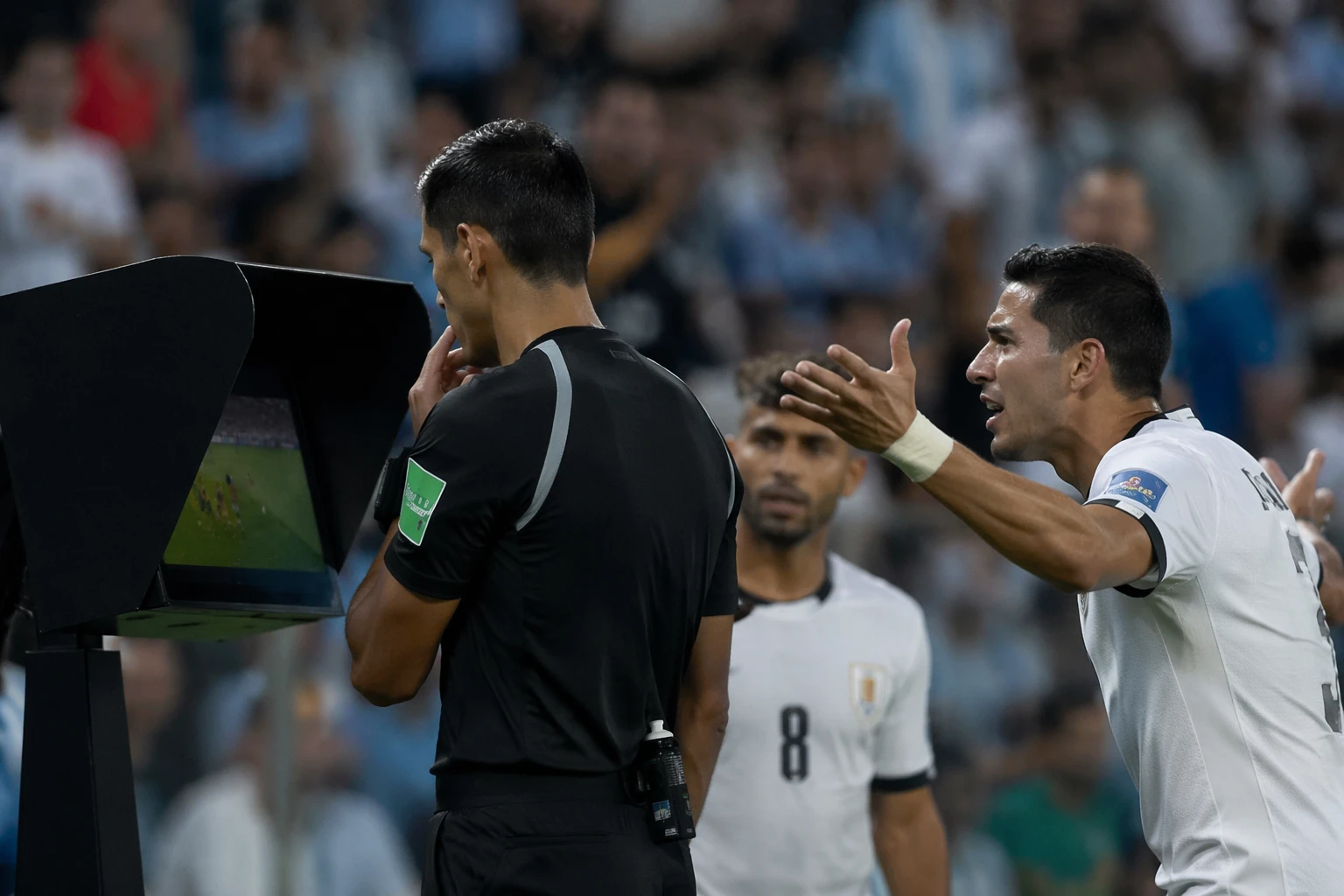
The referee name that keeps surfacing in these discussions is Martín Vázquez, an Uruguayan official listed in FIFA’s records of international referees and tied to major FIFA competitions in arbitral databases. His résumé includes work at the final of the 2009 FIFA U-17 World Cup between Switzerland and Nigeria, a match that still anchors his profile in global officiating.
His name has also been attached to controversy before. Jorge Fossati publicly criticized Vázquez after Cerro Porteño’s elimination from the Copa Sudamericana, adding to the sense that his decisions have long been scrutinized in the region. That history does not prove bias, but it does explain why some officials become symbols in larger debates: once a referee is linked to a disputed elimination, every later high-pressure decision is filtered through that memory.
What FIFA’s referee appointments say about the modern tournament
The scale of the officiating pool for the 2026 World Cup shows how central technology and specialist oversight have become. FIFA announced a record Team One group of 52 referees, 88 assistant referees and 30 video match officials drawn from 50 member associations. That is a large enough crew to underline a basic fact of the modern tournament: video is no longer a side tool, it is built into the competitive structure.
More officials do not automatically mean fewer complaints. They do mean FIFA has doubled down on a model that assumes elite tournaments need deeper review, broader geographic representation and more technical support. The logic is straightforward: if a decision can decide a knockout tie, then the personnel assigned to monitor that decision must be numerous, specialized and internationally vetted.
How to read claims of favoritism without overreacting
The fastest way to test a claim of bias is to ask what kind of call is being contested. A goal, a penalty and a DOGSO red card are reviewable under IFAB’s framework; a broader sense that one side “was treated better” is not the same thing. That distinction matters because it keeps a complaint from turning into a conspiracy theory before the underlying decision has been checked against the protocol.
A practical reading of the controversy looks like this:
• Was the incident one of the VAR categories: goal, penalty or red card for DOGSO? • Did the decision come from the attacking phase that directly led to that outcome? • Is the complaint about the rule being applied incorrectly, or about a wider pattern of consistency across the match? • Does the referee’s history add context, or is it being used as a substitute for evidence?
That framework does not eliminate emotion, and it does not pretend that every controversial call is easy to defend. It does, however, show why some disputes become so durable. When a system can overturn a goal but not resolve every sense of injustice, trust depends less on the existence of VAR than on whether its limits are applied the same way in the games that matter most.
In the end, the tournament’s officiating debate is not just about who benefitted from one call in one match. It is about whether the competition can persuade teams that the same narrow rules are being enforced with the same narrow discipline, from the opening rounds to the matches that decide everything.