Lifestyle
VAT Reduction Set for Children’s Meals This Summer
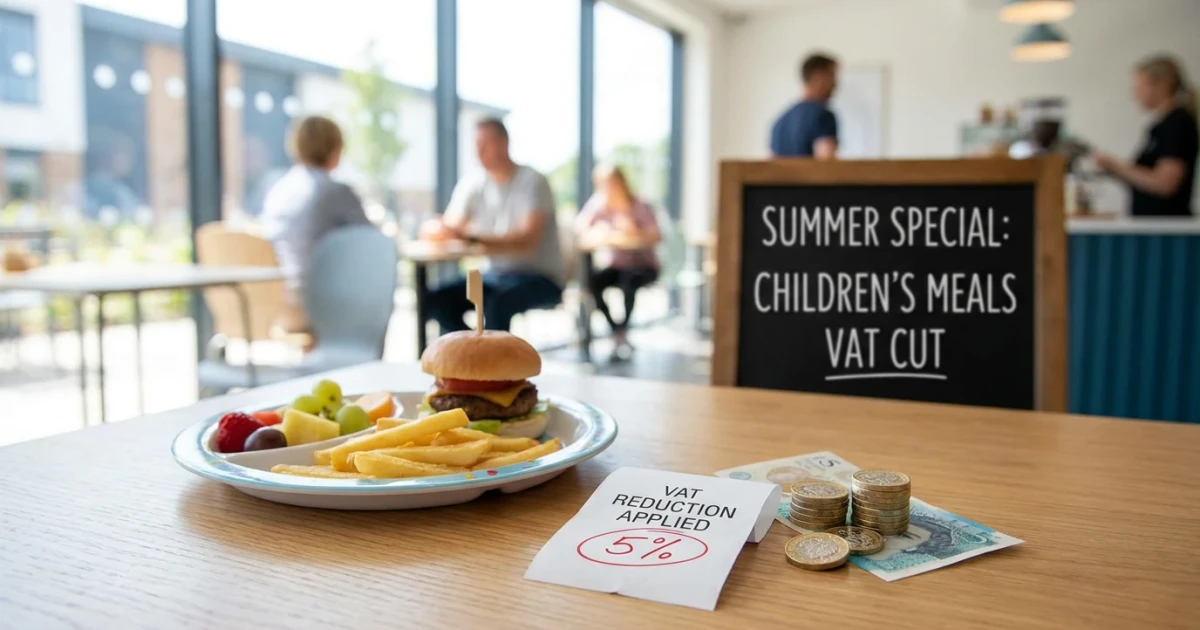
VAT on children’s meals will drop to 5% this summer, marking a significant policy shift intended to support families and the hospitality industry. The Caterer reported that the government will implement the change as part of broader efforts to ease cost pressures and encourage spending in restaurants and cafes.
Policy Details and Implementation
The reduction of VAT—from the standard rate to 5% on children’s meals—is scheduled to take effect during the summer months. This move follows ongoing discussions within the hospitality sector about the challenges posed by high VAT rates, particularly for families dining out. Historically, VAT on restaurant and catering services has been set at the standard rate, which has contributed to higher prices for consumers, according to the House of Commons Library briefing.
Impact on Families and Hospitality Sector
- The new 5% VAT rate is expected to make eating out more affordable for families, especially during school holidays.
- Restaurants, cafes, and other food service businesses anticipate increased footfall, as lower tax rates could spur demand for children’s menu items.
- According to HM Revenue & Customs VAT annual statistics, the hospitality sector has seen fluctuating VAT receipts, reflecting changing consumer habits and policy interventions.
Previous temporary VAT reductions during the pandemic led to marginal price decreases and a modest uptick in activity in the food service sector, according to the Office for National Statistics consumer price indices dataset.
Historical and Comparative Context
The UK’s VAT system is known for its complexity, with different rates applied to various goods and services. While VAT exemptions and reductions exist for some essentials, catering and restaurant food have typically faced standard charges. By targeting children’s meals for a reduced rate, policymakers aim to address affordability while maintaining revenue for public services.
Sector Response and Forward Outlook
Industry leaders have welcomed the VAT reduction, noting its potential to offset rising ingredient and labour costs. Economists and analysts will monitor the effect on consumer prices, business revenues, and overall sector recovery throughout the summer.
Looking ahead, stakeholders in the hospitality sector hope this measure will pave the way for further reforms to VAT on food, especially as families and businesses seek relief from inflation and economic pressures.
For readers interested in the specifics of VAT rates and the impact on food service, the government’s official guidance and sector annual statistics offer detailed tables and analysis.