Health
Venetoclax-obinutuzumab deepens response in untreated chronic lymphocytic leukemia
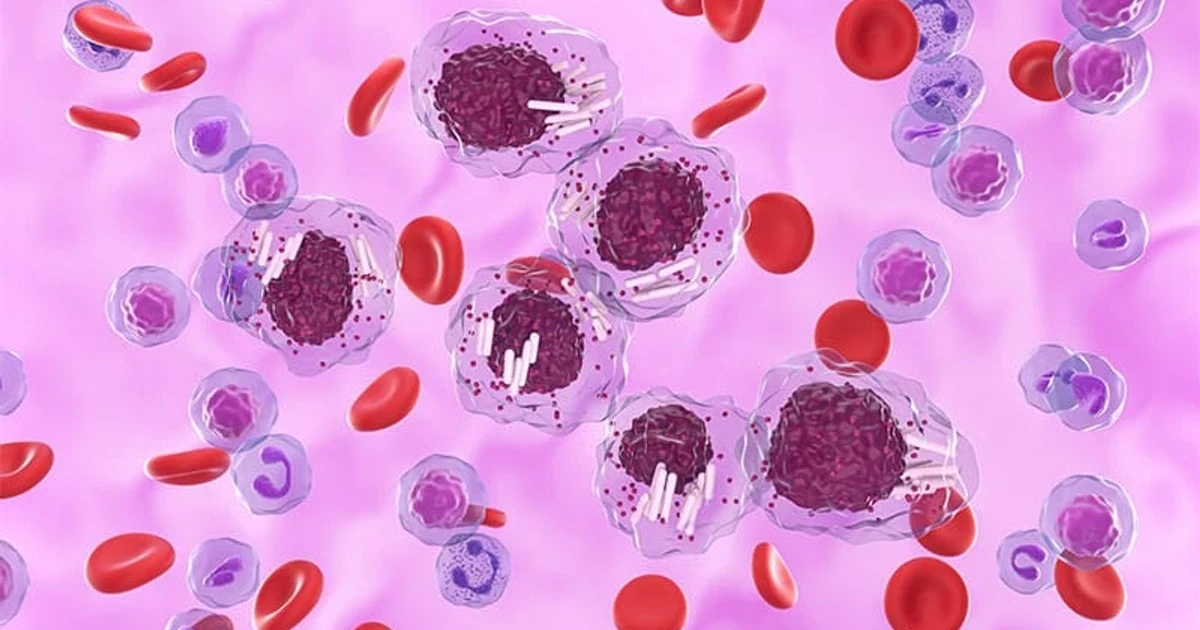
Venetoclax-obinutuzumab pushed undetectable measurable residual disease, or uMRD, to 81% in fit patients with newly diagnosed chronic lymphocytic leukemia, compared with 55% for standard chemoimmunotherapy in the CRISTALLO phase 3 trial. The result sharpened a central question in modern CLL care: whether a deeper molecular response is enough to change first-line decisions, even before long-term survival data settle the issue.
CRISTALLO, an international, open-label study sponsored by Roche, enrolled 166 adults with untreated CLL who did not have del(17p) or TP53 mutations. Patients were randomized to 12 cycles of fixed-duration venetoclax-obinutuzumab or six cycles of investigator-selected chemoimmunotherapy, either fludarabine-cyclophosphamide-rituximab or bendamustine-rituximab. ClinicalTrials.gov lists the trial as completed, with actual study start on 2020-05-28, primary completion on 2024-03-19 and study completion on 2025-03-19.
The trial’s primary endpoint was peripheral-blood uMRD at month 15, defined as fewer than 1 CLL cell in 10,000 leukocytes, or less than 10 to the minus 4, by next-generation sequencing. That choice mattered because CRISTALLO used MRD as the sole primary endpoint, an uncommon move in a phase 3 leukemia study and a sign of how strongly investigators now view MRD as a marker of depth of response. The study population was also tightly defined as fit, using a CIRS score of 6 or lower and creatinine clearance of at least 70 mL/min.
The practical appeal of the regimen is its fixed duration. For patients and physicians, 12 cycles of venetoclax-obinutuzumab offers a finite course rather than indefinite therapy, and the lower MRD signal suggests a stronger early disease knockdown than older chemotherapy-based regimens in this biologically selected group. Even so, the survival readout is still incomplete. Progression events were numerically fewer with venetoclax-obinutuzumab, but progression-free survival remains immature, so the final durability picture is not settled.
That uncertainty keeps CRISTALLO in context alongside earlier venetoclax-obinutuzumab data. In the related CLL14 study, 12 cycles of the same regimen in older patients with coexisting conditions produced durable treatment-free remissions, with a median progression-free survival of 76.2 months versus 36.4 months for chlorambucil-obinutuzumab at a median observation time of 76.4 months, and better timing of quality-of-life deterioration. A 2025 follow-up presentation titled Long-term immune reconstitution and final 1-year follow-up after fixed-duration venetoclax-obinutuzumab in first-line CLL signaled where the field is headed next: beyond how deeply the leukemia is cleared, clinicians now want to know how well the immune system recovers and how long that remission lasts once treatment stops.