World
Venezuela government to begin formal talks with some opposition members
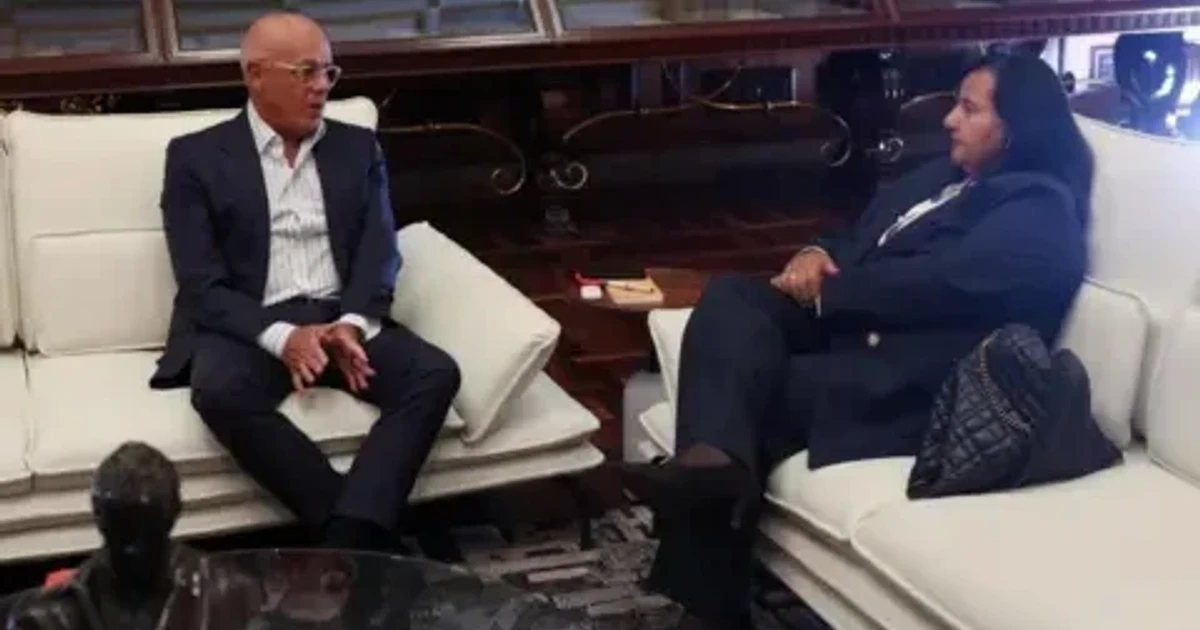
Venezuela’s government said it would begin formal talks with some opposition members on August 1, with Jorge Rodríguez, the president of the National Assembly, as its lead representative. Rodríguez has already met Dinorah Figuera, a former opposition lawmaker who returned to Caracas on June 18 after eight years in exile, giving the process an immediate political weight that goes beyond another round of declarations.
The talks have been cast as a U.S.-supported dialogue focused on democratic transition and electoral reforms. In a statement on the meeting between Rodríguez and Figuera, U.S. State Department spokesman Tommy Pigott said it was "a first step in what will be a thoughtful process to secure a free and open Venezuelan society." That framing matters because the opposition has remained fractured, and any process involving only some of its members risks sharpening disputes over who speaks for the anti-Maduro camp and on what terms.
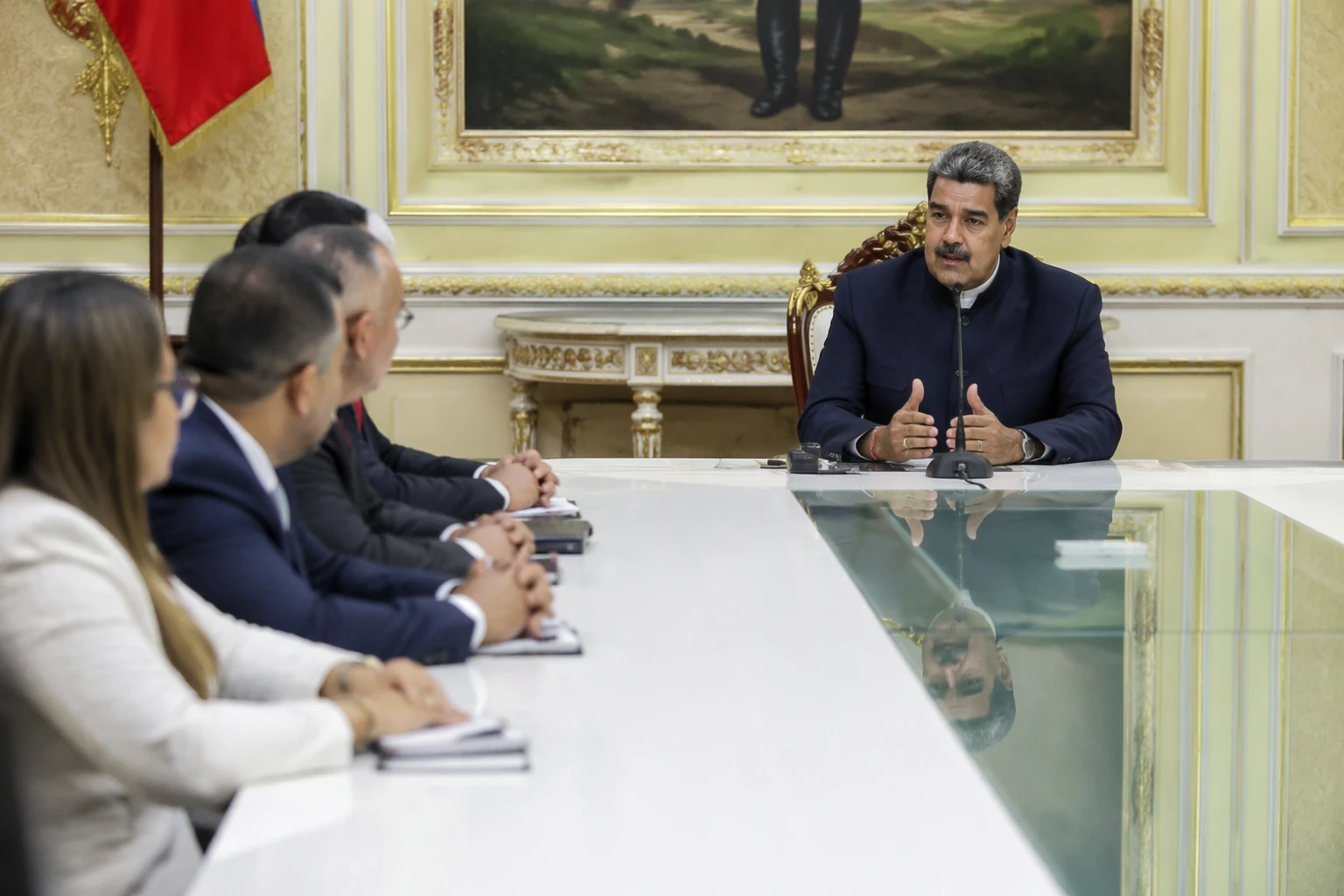
The list of possible issues is familiar in Venezuela’s stalled negotiations: prisoner releases, electoral conditions, and other confidence-building measures. Earlier rounds have followed a similar pattern. Negotiations began in Mexico in 2021 after exploratory talks since March of that year led the Norwegian government to help launch a formal process in Mexico City on August 13, 2021. Those discussions included figures such as former mayor and lawyer Gerardo Blyde, and Norway later helped facilitate dialogue in Barbados as well. Past talks were also tied to the possibility of U.S. sanctions relief, showing how closely Caracas has used negotiations to manage pressure while keeping control of state institutions.
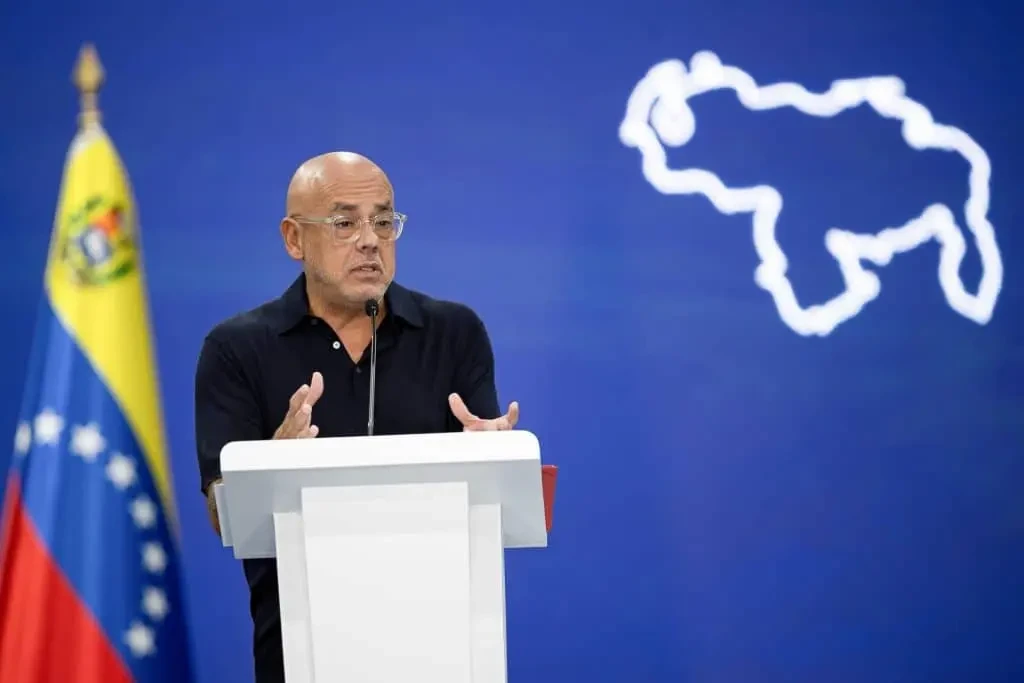
The new effort comes against a backdrop of continuing repression. Amnesty International said human rights abuses and persecution of dissent persisted in Venezuela in 2025, and Human Rights Watch reported severe repression and impunity in 2026. That environment is why the coming talks will be judged less by the announcement than by whether they produce concrete changes, including clearer electoral rules, releases of political prisoners and some form of international monitoring.
The stakes extend far beyond Venezuela. Any real opening could affect migration across Latin America, regional diplomacy and the sanctions calculus in Washington and European capitals. If the talks stall, they will add to a long record of managed negotiations that offer the government time, but not the political settlement Venezuelans have been promised for years.
Sources
- [1]bbc.com
- [2]bbc.co.uk
- [3]theguardian.com
- [4]thehindu.com
- [5]en.mercopress.com
- [6]reuters.com
- [7]regjeringen.no
- [8]amnesty.org
- [9]hrw.org