World
Venezuela quake death toll climbs as hospitals struggle without water
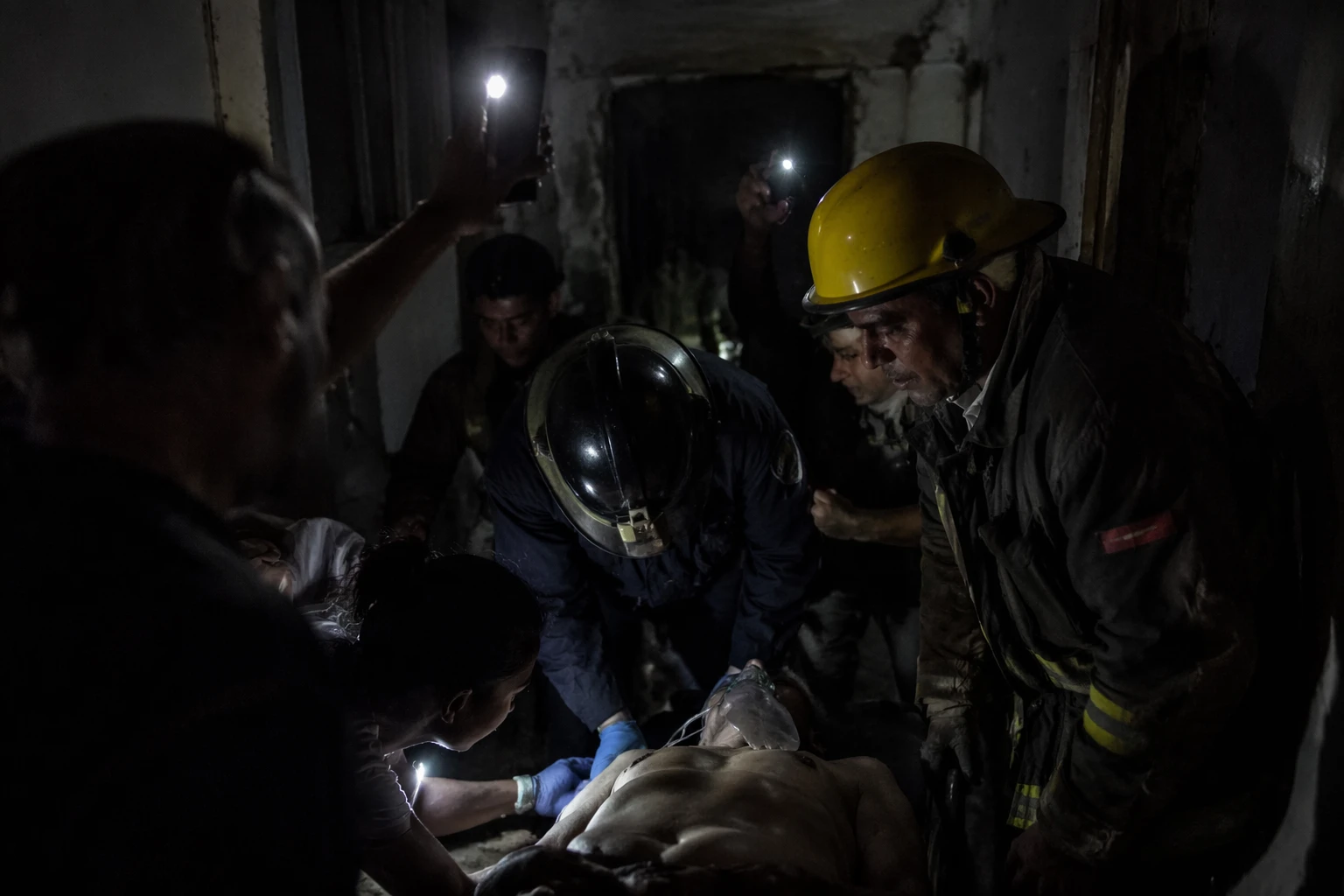
In La Guaira, firefighters were using cellphone lights because flashlights were in short supply, while one doctor said an overwhelmed hospital was operating without running water. The death toll from Venezuela’s twin earthquakes kept rising as rescuers worked through rubble in the dark and hospitals in the worst-hit coastal areas struggled without water, power and basic supplies.
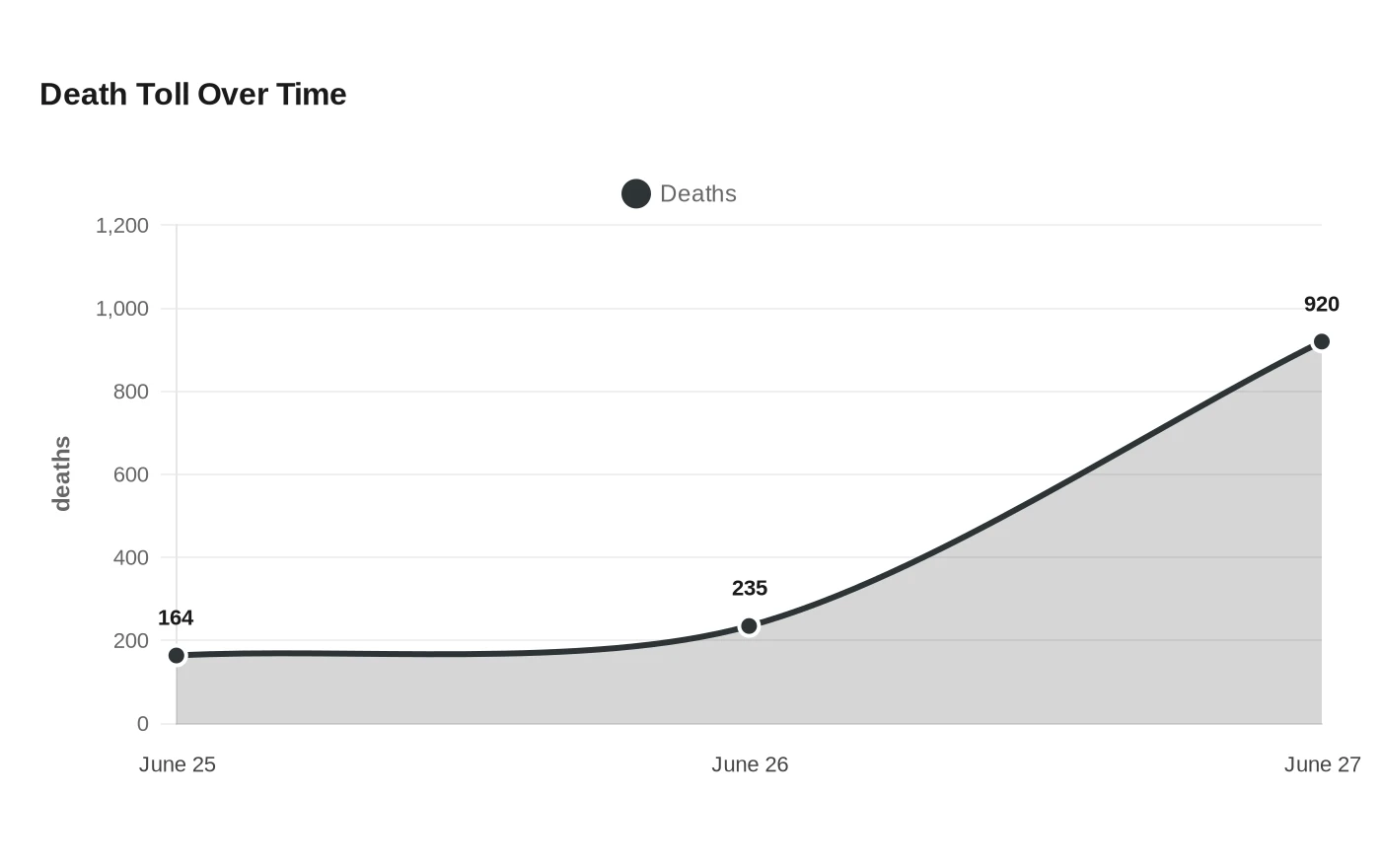
The disaster began on June 24, 2026, when a magnitude 7.2 foreshock struck and, about 39 seconds later, a magnitude 7.5 mainshock followed. The shallow shaking, at roughly 10 to 22 kilometers deep, was felt across several states in north-central Venezuela, including Caracas, Miranda, Carabobo, Yaracuy, Aragua and Falcón. By June 25, officials were reporting at least 164 deaths and 971 injuries. By June 26 and June 27, the toll had risen to more than 235 and then at least 920, with more than 3,000 people injured and many others still missing or trapped under collapsed structures.
Electricity, water, sanitation, transport and telecommunications disruptions were complicating hospital operations, ambulance services and emergency referrals across the affected states. The Pan American Health Organization’s preliminary exposure analysis found 91 emergency hospitals in areas hit by intensity VI or above, including 20 hospitals exposed to intensity VII or higher, with the heaviest exposure in Carabobo and Yaracuy.
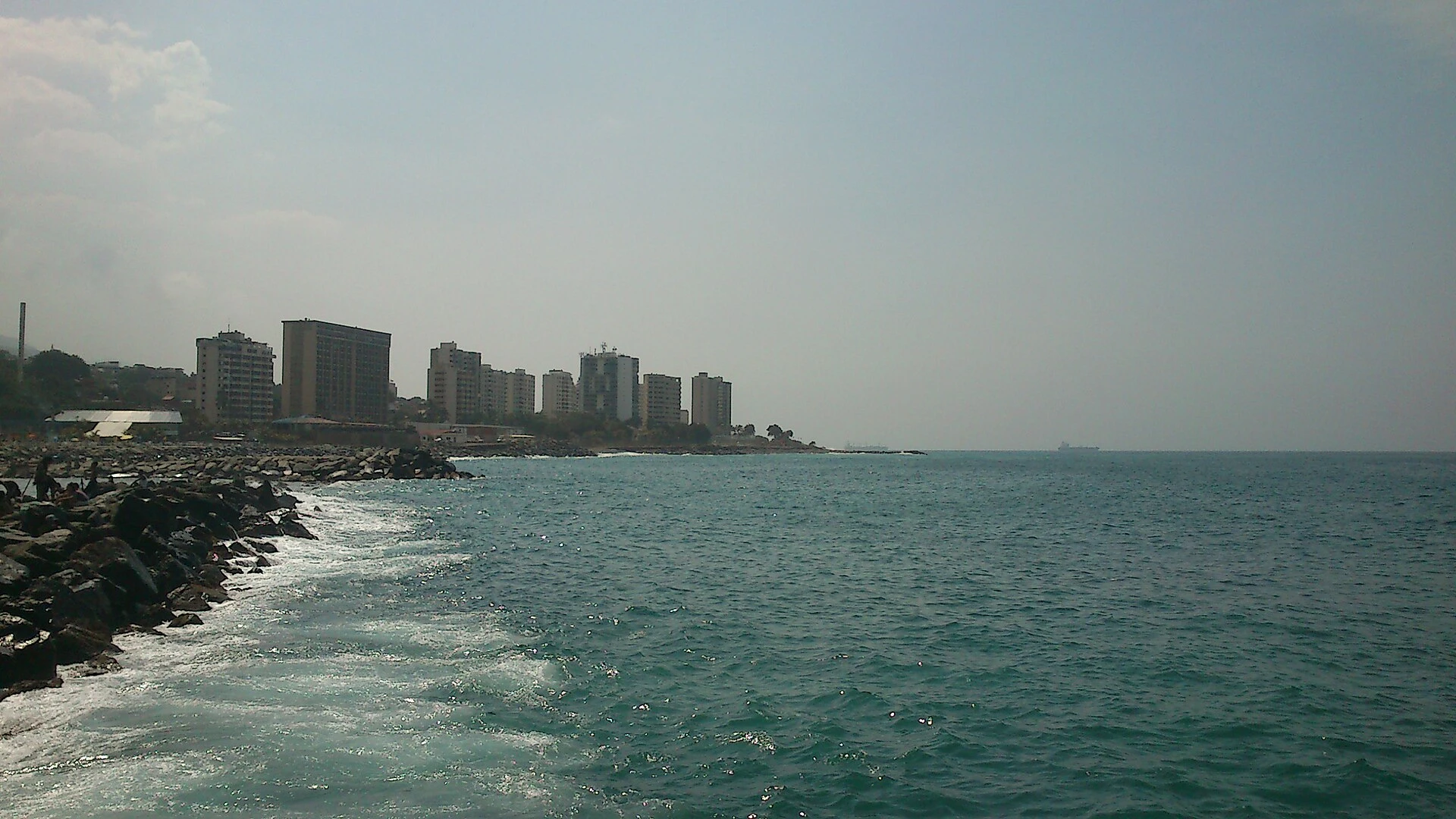
Doctors Without Borders teams from Caracas went to La Guaira immediately after the earthquakes and delivered emergency trauma kits for about 200 patients to José María Vargas Hospital. Halima Hussein, the group’s medical coordinator, said many people were still sleeping in streets, squares, schools and baseball stadiums because they could not return home. UNICEF recorded more than 30 aftershocks by June 25, while widespread failures in electricity, water supply and telecommunications added to the disruption in Caracas, Miranda, Carabobo, Yaracuy and La Guaira.
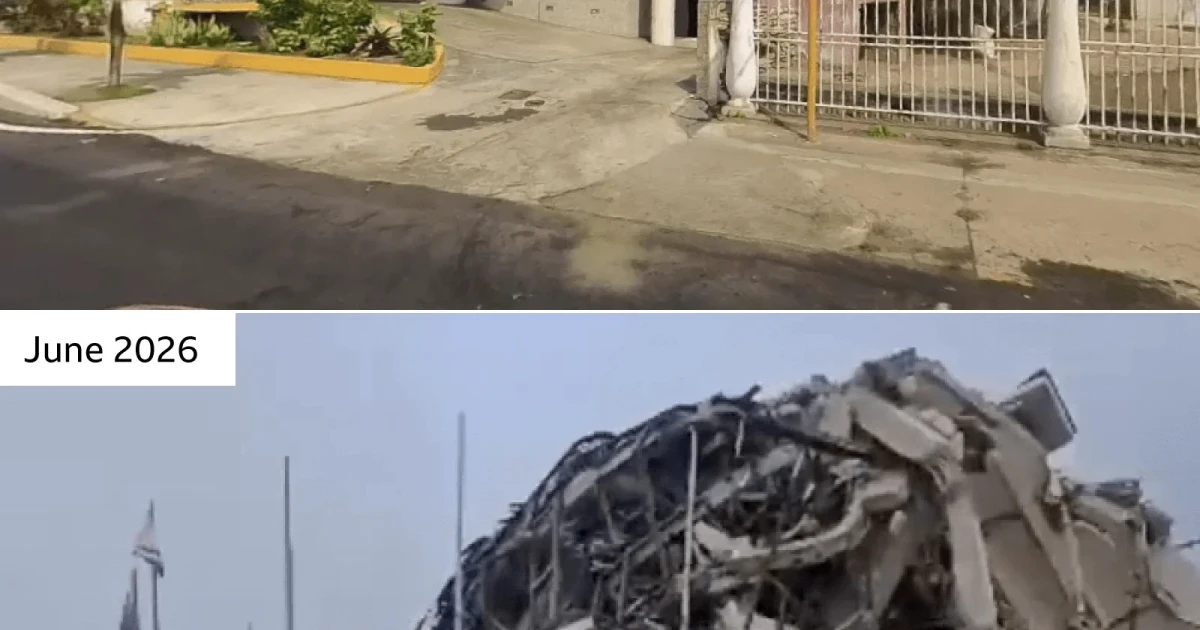
Some rubble caught fire overnight, and the government counted 250 buildings damaged or destroyed, mainly in La Guaira. The main international airport in the area was affected, and the U.S. government said rescue teams had arrived and runway repairs were carried out at Simón Bolívar Airport. Search teams from the United States and other countries joined the effort.
Sources
- [1]nytimes.com
- [2]paho.org
- [3]doctorswithoutborders.org
- [4]reliefweb.int
- [5]usnews.com
- [6]pbs.org