World
Venezuela quake disaster becomes early test for interim president Rodríguez
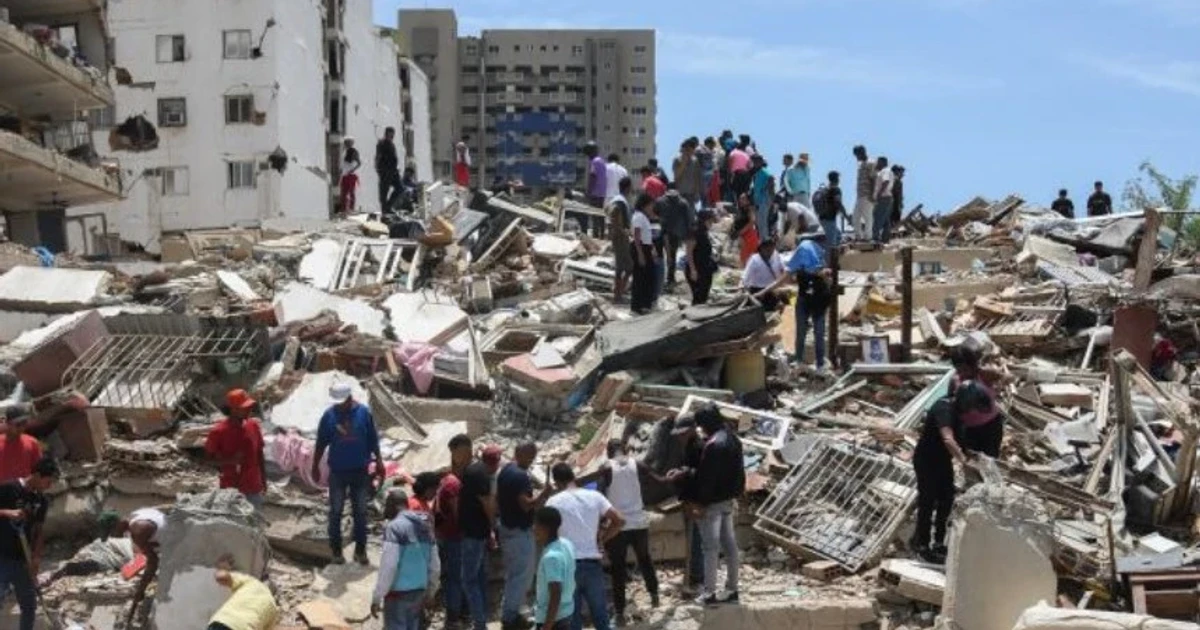
Homes, roads and coastal neighborhoods in Caracas, La Guaira and Maiquetía were hit hard when two strong earthquakes struck Venezuela off the northern coast west of the capital on June 24. Officials said the first tremor measured about 7.2, then a larger 7.5 quake followed roughly 39 seconds later, shaking the country in what was described as its strongest earthquake in more than a century.
By Saturday afternoon, Jorge Rodríguez, the president of the National Assembly, said the death toll had climbed to 1,430 and injuries to 3,238. More than 400 aftershocks had been recorded, and thousands of people were still missing or displaced as rescue crews worked through collapse damage in the capital and along the coast. The U.S. Geological Survey had warned early that high casualties and extensive damage were likely, and a United Nations estimate put direct losses at about $6.7 billion.
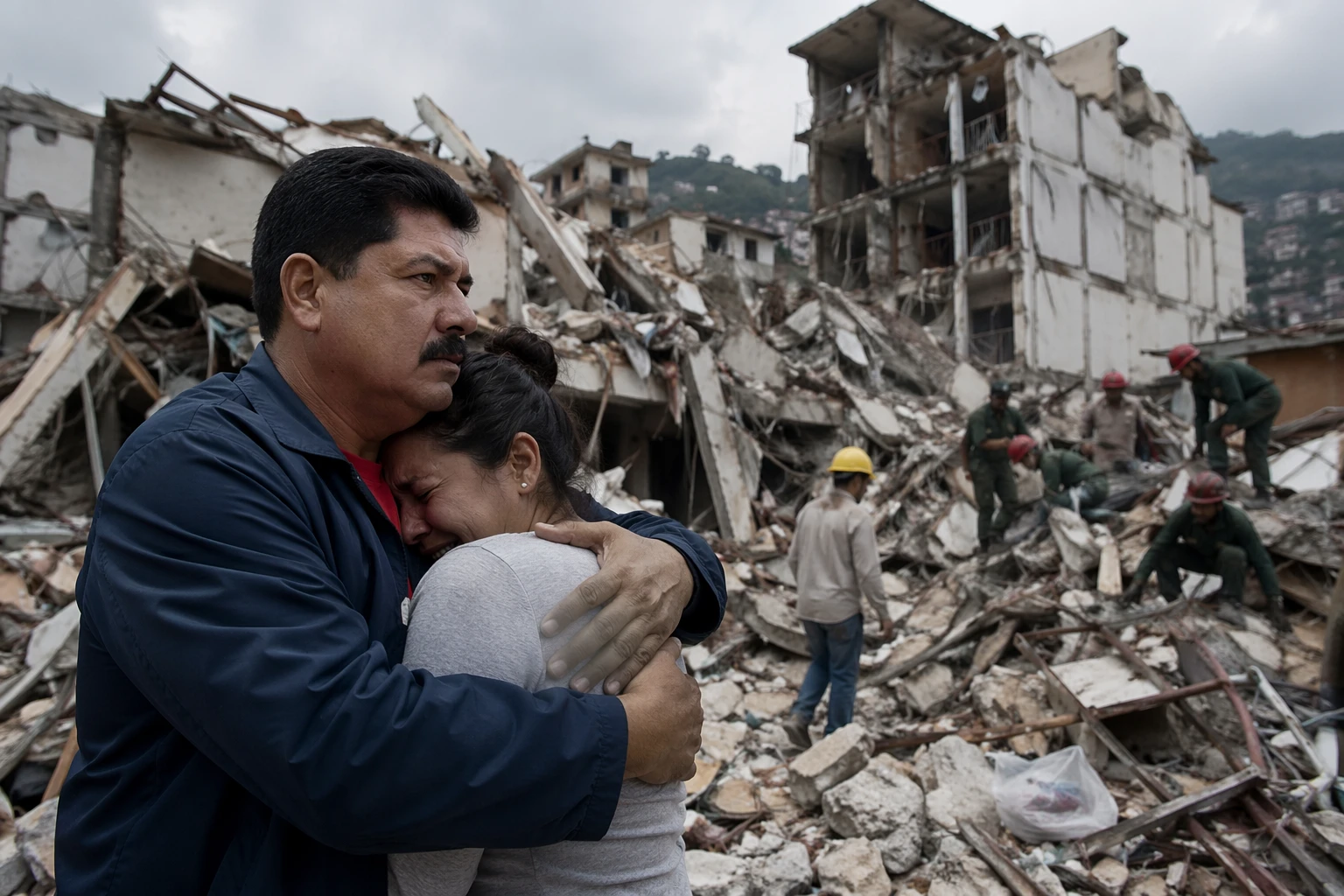
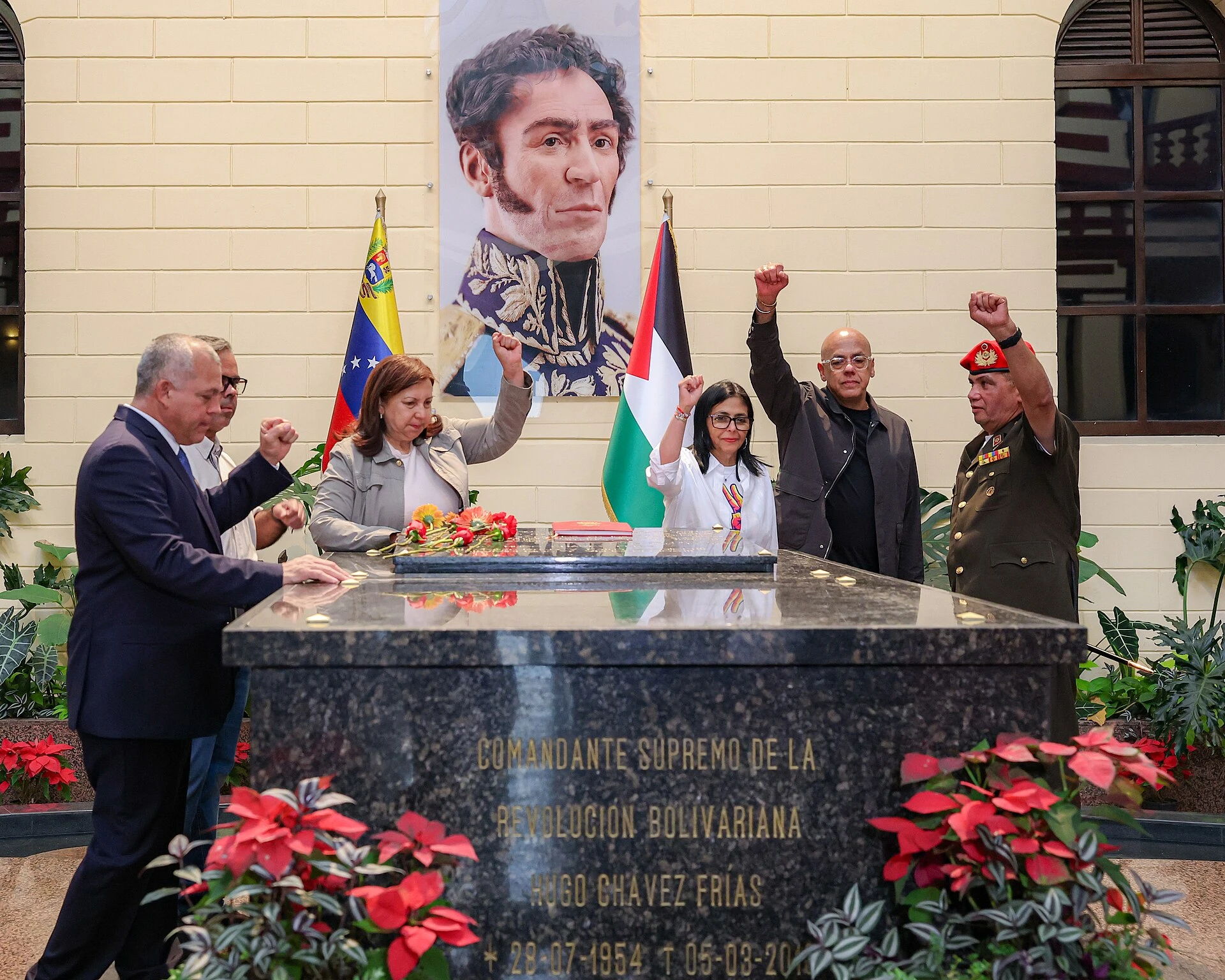
The disaster has quickly become an early political test for interim president Delcy Rodríguez. Critics say she is trying to use the emergency to strengthen her own position, while her supporters accuse the opposition of trying to do the same. Rodríguez declared a state of emergency and appealed for international help, while the Trump administration said the United States was ready to assist and later pledged aid. India also offered support as governments moved to answer one of the region’s largest earthquake crises in years.
The central relief question is whether aid is reaching people based on need or political loyalty. Authorities said 2,600 tons of food had already been distributed to the population, but aid observers have warned that the flow of rescue teams, money and supplies could be shaped by political control. That concern has sharpened because Rodríguez is governing in a fractured political environment and is trying to stamp her authority on a country already strained by years of instability, sanctions and weak basic services.
For families in the hardest-hit zones, the politics matter because they can decide who gets food, who gets pulled from rubble and who is left waiting. The government has raced to restore infrastructure and expand rescues, but the scale of the damage has made transparency in the recovery just as urgent as the search for survivors.
Sources
- [1]nytimes.com
- [2]state.gov
- [3]usnews.com
- [4]cnbc.com
- [5]cbsnews.com
- [6]telesurenglish.net
- [7]theconversation.com